
237. can gen z actually make change? let’s talk burnout, hope, + leadership feat. amanda litman
listen to this episode:
Tune in and subscribe on your favorite platform: Apple Podcasts | Spotify | YouTube | Amazon | GoodPods | Castbox | iHeart Radio | overcast | pocketcasts
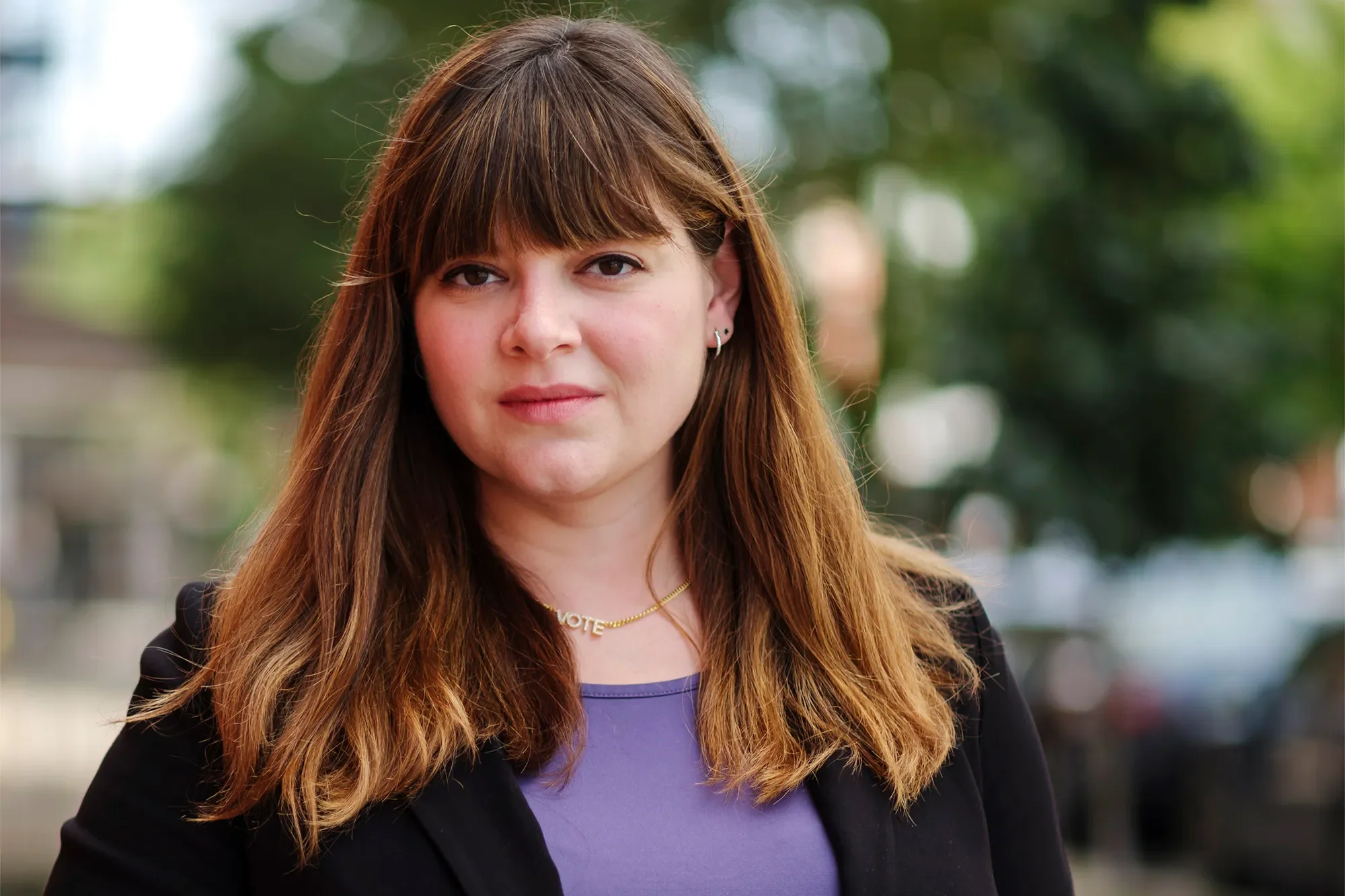
how gen z can lead with hope (even when it feels impossible)? today’s guest is amanda litman— the co-founder and president of run for something, a nonprofit organization that recruits and supports young leaders to run for state and local office. she has written two books geared toward the next generation of political leaders, was named one of the time next 100, and is currently a 2025-2026 obama foundation usa leader.
in this episode, we discuss how gen z can become leaders in both the political arena and the workspace… and why this MATTERS!
we talk about:
amanda’s political background + the different campaigns she’s been part of
how to get more involved in politics as a young person
gen z being politically active yet feeling hopeless about politics
coping with anxiety over politics + how to stay hopeful
an insider’s perspective what gen z political leaders are truly like
what gen z leaders are doing differently in the office
generational divides at work + how to navigate those
the four day work week + whether that helps or hurts productivity
dealing with workplace + political burnout
changes we hope to see that improve work life + the political landscape
staying optimistic about our society achieving a work-life balance
why we’re holding back from creating meaningful change + how to address this
tips for gen z on becoming better leaders
Mentioned:
SHOP GUEST RECOMMENDATIONS: https://amzn.to/3A69GOC
About She Persisted
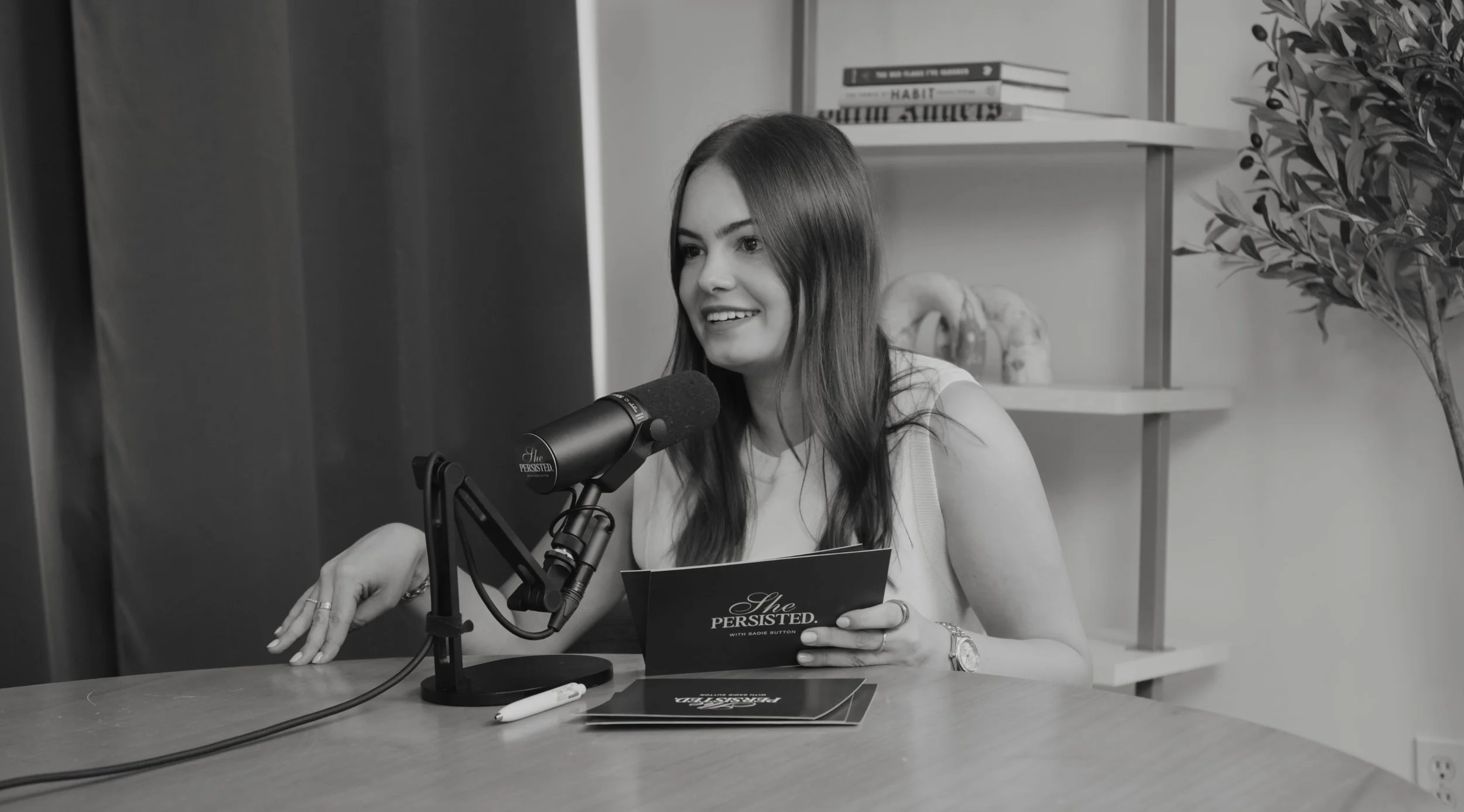
She Persisted is THE Gen Z mental health podcast. In each episode, Sadie brings you authentic, accessible, relatable conversations about every aspect of mental wellness. Expect evidence-based, Gen Z-approved resources, coping skills (lots of DBT), insights, and education in each piece of content you consume. She Persisted offers you a safe space to feel validated and understood in your struggle while encouraging you to take ownership of your journey and build your life worth living.
a note: this is an automated transcription so please ignore any accidental misspellings!
Sadie: [00:00:00] Welcome to She Persisted, the Gen Z Mental Health Podcast. I'm your host, Sadie Sutton. Let's get into it.
Amanda: to get stronger, to get to the other side of change, you have to go through a little bit pain.
It's part of the process.
You gotta burn it down
little bit to build it back up. That's gonna make it really hard, like you don't wanna do it. That trap of, ugh, like it's so much easier just
stick
with the way we've been doing things like it's tradition. It's how we've always done it. It's the only way I know that can keep you from imagining a better future.
Sadie: It is is no coincidence that I'm releasing this interview right before election month. Given how incredibly turbulent the current political landscape is and how Gen Z is starting to shift from school to a lot of uncertainty around career opportunities and adulthood, I think this episode is coming at the.
Perfect time. so hello. Hello, and welcome back to She Persisted. Today's episode is going to serve as pretty much your guide to navigating the current world and job market as a member of Gen [00:01:00] Z, who is looking to inspire, change and clean up many of the messes that we're dealing with as a society.
And we have the perfect guest to speak on this.
topic, we have Amanda Lipman, the co-founder and president of Run for Something, a nonprofit organization that recruits and supports young leaders to run for state and local offices. She's also worked with Barack Obama, Hillary Clinton campaigns, and has been named one of times List of the Next 100 who are shaping the future in defining the next generation of leadership.
So it's safe to say she is incredibly qualified to share insights and advice for anyone in Gen Z who is looking to make an actual impact on today's world, but. Don't know where to start.
So if this sounds like you, this episode will leave you feeling empowered and inspired to take on the workforce or the current political landscape and make meaningful change.
So, without further ado, let's dive in.
Well, thank you so much for joining me today, Amanda. I'm so excited to have you on the show. We are recording this at a very interesting time.
I've been hosting the podcast for five years [00:02:00] now and I think this is a conversation that is top of mind for a lot of people, or at least has become top of mind so I'm really excited to get your
expert insights and For people want to lean more into creating change, potentially going down
political path, or just being better leaders in their own communities and with the people that they come into contact with on a daily basis.
So thank you for joining me.
Amanda: me. My pleasure, Sadie. Thanks for having me.
Sadie: Of course. So to get started, can you give us a bit of a background? You have had such a fascinating career and gone in so many different directions, been so involved in
so many incredible campaigns,
and so I'm really curious how you landed in this space, and started working on creating really meaningful change and really powerful change and making Really big shifts in how our society functions and operates and thinks, which is relevant to so many areas, especially mental health. Because I think we forget that policy is such a huge part of that. And who's advocating on our
behalf can be like life or death, So I'm really excited to get your thoughts on [00:03:00] people can feel more empowered and have more of a sense of agency. 'Cause that's such a big part of, of thriving
Amanda: a society. Yeah. So I'll stop by telling you a little bit about myself and then we can get into it. , So I was born and raised in Northern Virginia.
I went to Northwestern for college, where I studied American studies with a focus on gender and politics. My senior year of school, I got an internship on the Obama Reelect, doing online fundraising and volunteer recruitment. I was hired before I graduated, worked for the President's campaign, which we won.
So fun. Stayed in Chicago to work for the president's nonprofit for about a year. Moved to Florida in 2014 to work for the governor's race.
and then
then moved to New York in 2015 to work for secretary Hillary Clinton's presidential campaign. , I was her email director. So again, online fundraising, volunteer recruitment, that kind of thing. We lost, that was sad.
Sadie: Yes.
Amanda: About a week. Remember watching. Yeah, CNN
Sadie: Live updates and it was a wild, wild night.
Amanda: Zero stars don't recommend. So I, but a week after [00:04:00] election day in 2016, I started hearing from friends. I'd gone to high school and college with, Hey, Amanda. I'm a public school teacher in Chicago.
I'm thinking about running for office.
You're the only person I
know that works
politics. do I do? And at the time, if you were young, I was in my mid twenties and wanted to do more than vote
and more than volunteer, there was no
way you could go that
would answer your call. And that to me felt like really big symptoms both
our democracy and in the Democratic party.
So I reached out to a whole bunch of people with
an idea.
What if we started an organization? Kind of like Emily's List, which helps pro-choice democratic women run for office.
But to help people like my friend from college who wants
run for the first time. One of those folks became my co-founder, Ross Morales Ricko.
We wrote a plan, we built a website, and then we launched Run for something on Trump's first inauguration day, thinking it'd be really small. We maybe would get a hundred people who wanna run in the first year. In the first week we had a thousand people sign up. As of today, we're up to more than 220,000
young people all across the country who've raised their hands to
say they wanna run.
We've helped elect more than [00:05:00] 1500 across 49
states, mostly women and people of color,
all under the age of
40 at the first election. , And I also wrote two books in the process. That's me.
Sadie: Okay. I have so many areas that I want to go there and so many things to touch on. I think the first is the beginning of your story where you were able to get involved in such a hands-on way in college and in undergrad, and I'm really curious what that process looks like. 'cause I think a lot of us, we can vote for the first time in college. College campuses are a
Amanda: political place. Mm-hmm.
Sadie: I was at Penn and it kind of felt like there was a foot in each camp and everyone was talking about all the things given the history of the school, and even with that feeling like my vote had a lot of power and I was voting in a swing state, getting involved beyond that, even though like the rally was being held in Philadelphia and you were seeing all these things on the news as far as meaningful steps you could take, it still did feel somewhat out of reach, beyond like. Phone banking and getting your [00:06:00] family and friends to go out and vote. Having peers register in swing states rather than home states, depending on where they're from. So can you talk to us about how you can get involved and support politicians that are aligned with your beliefs or individuals in your community when you don't have that career experience or you're not, , years into working in
Amanda: Hmm. The best
thing you can do is go hyper-local. , I think this is true, especially when you're a student, , because the people that govern city councils and state legislatures in these college towns can have a big impact on whether you can afford to stay in your college town. If you want to, like how easy or hard it is to find an apartment off campus or
a house off
campus, , they really do affect how expensive your tuition is, is often set on the state legislative level by the state government.
There is so much work that these local offices do that affect your life as a student, but on the other side of it, they're also so much fun. Like if you are a student, or a recent grad and you wanna get involved locally. You [00:07:00] can very quickly become the campaign manager or the volunteer director or the communications director for these local races.
'cause not that many people do it. So you can very quickly become a big fish in the small pond. And your experience as a student,
as a
member of the community is so invaluable to these campaigns. Mm-hmm.
They're also just a great way to get to know the candidates themselves and a good reminder that politicians are people and people are flawed.
But that you can really. Get exposure to it firsthand. Yeah.
Sadie: So I have a lot of things that I wanna pick your brain on because you are so tapped
Amanda: this space
Sadie: and it feels like we have quite the like dialectic of, like you said, gen Z is so involved. You have so many people raising their hands saying like, we wanna help, we wanna get involved. We don't just care, but we'd like to take action and advocate on behalf of others and create change.
And I also feel like there's this paralyzing sense. Of hopelessness and like a disconnect from what's happening on a larger level and what you see in your day-to-day, or how you see things and [00:08:00] how others see things. And we're seeing this gender gap
emerge and there's huge
shifts in how our demographic of like where we're at age-wise compares to other ages historically.
And so I'm really curious what you're seeing with Gen Z and why we might have this like. Some people are so on board to take action and feeling hopeful and ready to go, and others are like, how did we get here? I don't know what's going on, and I don't know how to move forward.
Amanda: And I think part of it is that we got to this point, because people felt disillusioned and I think that the only way out of it is deep organizing and deep work. That doesn't mean just electoral. Like I think elections are a key part of it, but not the only part of it.
And I think. There's often pushback. I know, I get it. Where I'm like, you have to vote in local elections. I'm like, well, electoral doesn't solve any problems. Well, it doesn't solve all our problems, but it's kind of like if you wanted to make, , an apple pie, but you didn't have any apples, like
[00:09:00] you
need it, you just, it's, it's an important necessary ingredient.
It's not the only ingredient you need, but it's a necessary ingredient. And I think a, a thing that we have often forgotten, and I say we broad scale. Anyone who's like not a fascist or a Nazi at this point, is that winning the presidency. Much like electoral, , is a necessary but alone, not sufficient part of the process.
Yeah. You know, we have to also win city councils and school boards and state legislatures and library boards and water districts and community college boards and everything else, or we're missing the fundamental way in which power gets held in this country. We don't have one. One massive government. We have the federal government and then 50 state governments and thousands of county governments, and thousands more city governments, and then districts within those, and those build on each other.
And if we aren't careful. The bad people take over the little ones and then they make it much, much harder for us to win the big ones. Yeah.
Sadie: I like how you mentioned how many layers and checks and balances truly exist [00:10:00] in the system, and I think a lot of people listening if they're following political updates, there are so many moments of fear and anxiety and
Amanda: like hopelessness of
Sadie: what is
Amanda: And I think
Sadie: Most of the people listening are Gen Z women, and I think that is one group, especially who is really impacted by
Amanda: current political landscape.
Sadie: And so I'm curious from your perspective, having so many young, individuals wanting to get involved and running for office . But I'm curious what your thoughts are there. Like is it truly a position where you're seeing these things and you're like, yes, this has
Amanda: direct
Sadie: impact, or when you're reading these headlines, is it more kind of what you just said where you're like, okay, but we have all these layers and all hope is not lost and there is a disconnect between like my day-to-day life and this one thing that was said on Twitter.
Like what is your thought process there for people who are really struggling with that in a big way?
Amanda: Well, I think it's really important to remember that there are a lot of things that the president can do that can hurt people. Like I don't wanna ever [00:11:00] undersell that. And there's a lot of things we can do locally to protect people and to advance progress, especially on the things that directly affect your quality of life, like the cost of housing, cost of childcare, your access to reproductive health, your access to gender affirming care, school lunches, library funding.
How easy or hard it, it's to open a business. That stuff is shaped on the local level, which means you could have a lot of say there. And I think that. grounding fact is what keeps me hopeful. Hmm. Which you need to be like, you need to be helpful. Otherwise, it's impossible to get outta bed in the morning.
Sadie: Yes. No, I co I completely agree and I definitely share that point of view. And I even go on the days where it's like, okay, I'm feeling less hopeful. It's like, but what is gonna get us moving forward and get things to shift and change? And it's some amount of hope that then inspires action. And so trying to then get to that mindset so that things actually.
It will change and be different rather than just being like [00:12:00] stuck in this, okay, here's the cards we've been dealt and we do nothing at this point, and we're just on this road. So keep driving.
And so you have so many people, as a part of run for something that are working to make this change and that really wanna have a very active role there.
I'm curious your thoughts on the future of politics as Gen Z gets more involved, getting to know these people, supporting them in this process, in this early stage of their journey. What do you think is gonna shift and change, , over the coming years and how we're. Describing the issues that we're struggling with on a day-to-day, how we're reaching people, what people care about, what is inspiring action, all of those things as we see this like new era of politics unfold.
Amanda: You know,
think Gen Z brings a really different attitude
politics
in a good way, and I think that's true both in politics and outside of it. You know, I wrote this book called When We're In Charge, it's about Gen Z and millennial leadership and the way that we do things differently.
And I think that's really what we're seeing in politics, at work, in [00:13:00] institutions and systems, that the way we did things yesterday does not have to dictate the way we do things tomorrow. It. And that mentality is really, really powerful.
Sadie: Mm-hmm.
Amanda: Really powerful.
Sadie: I want to dive into your book a bit more because you mentioned that, and , I would love your thoughts on those. different elements of leadership. You mentioned that just because we've done things historically doesn't mean that it has to move forward this way. What are those, , aspects of leadership that are so different in Gen Z and millennial leaders versus what we have done historically, which we can work to change and not accept at face value?
Amanda: You know, I think things like work has to suck. Again, I don't think that's true. I just don't, yeah, I mean, I think work is hard and like sometimes some parts of it are not that fun, but work doesn't have to suck if leaders don't want it to. It doesn't, , the idea that,
you have to be messy at work or that authenticity inherently requires like [00:14:00] messiness.
It doesn't, it requires vulnerability. But also involves boundaries. I think
that is a really important
distinction that too many people have forgotten.
Speaker 3: Mm-hmm.
Amanda: I think really important to think
about clarity of communication. , To think about communicate, like norms of communication. I think right now it's
very easy to say diversity is a fad.
It is not. It is both
business imperative and a moral imperative. It's also gonna be a lived reality for millennials and Gen Z. Better learn how to
it well.
Sadie: Yeah.
Amanda: , And then really thinking about how can you be effective and also compassionate, like how can you hold getting shit done
and being a
good person in the same space?
Those are not competing. They're not mutually exclusive. And I think too many business executives
corporate
CEOs and especially some of the older leaders have sort of
assumed that in
order to get the best
results outta
people, you have to work around the clock. You to
grind it out. You have to like yell and, and punish and penalize.
Like you [00:15:00] don't, you just don't. I reject that. I don't, I, I refuse to believe that's the case. Okay.
Sadie: Mm-hmm. I'm curious if you were entering the workforce this year than the coming years as I just started my
Amanda: full-time role.
Sadie: what things you would push back on or even set your own boundaries around, , that kind of are more aligned with those historical.
Amanda: Ideals
Sadie: or those things that we've accepted is, this is what work looks like, here are the expectations that are held.
Here's just how it works, and those things that you would shift on an individual level and then later in your career, make sure that those are systemic and that your team and your community are also kind of following in those footsteps.
Amanda: You know, I
think a lot of it has to
come with
the leadership of setting
the right tone of modeling,
kind of behavior you wanna see, but I think it is always appropriate for, especially, you know, first time employees to like. Really demand clarity
about what success looks like. You
Yeah. You know, if somebody asks you to do something, it is not rude or is not pushing the [00:16:00] limit to respectfully and politely, but clearly ask.
Can you tell me what it looks like when this is done? Well, yeah. Like, can you tell me what this looks like when this is done poorly? Can you explain to me why the timeline is and why that looks good? I wanna learn. Mm-hmm.
Sometimes
executive or the leadership hasn't quite thought through that and they might not be able to answer it, and then it's on them.
Because asking for success metrics is not a bad thing. Yeah. I also think being really clear about capacity, you know, I know it is, , very trendy to like, I'm not gonna answer email after five o'clock. I'm not gonna, I'm gonna log, I'll have to call. Like, definitely do that. And if
you are having an issue where your work is requiring you to, or being asked to like again.
Hey, this seems like a place that wants people to be able to do this work sustainably. I
cannot currently commit to complete my workload. And also do that. Can you help me reprioritize? Yeah. Like this is a skill around managing up that is, , really hard, but when you do it right, [00:17:00] will make
whole life
better and will also get you what you want without being an asshole to your boss.
Mm-hmm.
Speaker 2: Mm-hmm.
Amanda: The final thing I would say, especially if you're early
in your career,
Do not treat the internet like your group chat
man,
Do people forget that the internet is forever? And that if you are gonna shit talk to your employers or your bosses or your colleagues online, like assume they're gonna see it.
Do not post anything you don't want your boss to get,
In the form
a New York Times homepage news alert. You know, that's what we used to say in politics, like, don't put anything in writing that you wouldn't wanna see on the front page of the New York Times. Treat everything like that. And I know that could be really hard 'cause it's like this is how we live, this is how we communicate.
I wanna be myself. And it's like you can be yourself in your group chat. You don't have to be yourself on
Sadie: Maybe your small group chat, maybe not like the one with 45 people on Snapchat that you guys are all like updating on maybe like your, your close
Amanda: Yeah. Like you, you can keep it on close.
It's fine.
Sadie: Yeah. I am curious if there are examples of those or [00:18:00] things that like there's that generational divide where bosses are like, how on earth could someone say that?
And Gen Z is like, wait, that's wrong. Like what are you talking about? That it's totally fine. Are there any examples of those that people should really be aware of that they're not already flagging as like, this is something I should be staying away from and I'm creating challenges for myself down the road?
Amanda: You know, I think a lot about mental health. I know this is like a topic for you as well, like, I think it's really important, like, as a boss, I have a therapist. I see my therapist every two weeks.
It's on my calendar, blocked out in the
middle of the day, and it says so quite boldly, like 11:00 AM therapy.
Yeah,
Speaker 3: Yeah,
Amanda: I think it's really important both that I do that for myself, for my partner, for my kids, my, my mental health, and to model for my team that I want them to take the time to do that. Like, but is encouraged It is not sick leave. It's not PTO. You don't need to make it work outside of your workday. Like it's just, it's part
being good at your job is
taking care of yourself , and you don't need to tell all of my employees what I talk about in
Sadie: Yeah. You're like, here's the TLDR from [00:19:00] therapy. Here are the updates going into action.
Amanda: Like, no, like that's between me and, and my mental health. Like for professional. And I think reminding yourself that that is like a boundary that you can set
that
distinction of, I go to therapy, here's all the things I talk about my therapist.
Yeah. One is, one is appropriate and one is not.
And being really distinct
about those, those limits. Yeah.
Sadie: I think it's also worth kind of having that distinction like you mentioned
Amanda: like
Sadie: what you've normalized and what you wouldn't pass judgment on and what others might, even if it's not right
Amanda: pass judgment
Sadie: or right to think about you differently as a result of that information.
And I think mental health is one of those areas that's still a challenge. Like being vulnerable is very good. It's very important. It helps like alleviate distress. You feel more validated and connected. Like it's great to talk about your
mental health challenges.
However, in certain contexts it might not be the most effective.
You have to be aware of your audience and regardless of. Of if it's right, if your boss would treat you [00:20:00] differently, or if your coworker might then tiptoe around and like not remind you about things because you don't wanna get stressed, even though like you might need that reminder and then it comes and like bites you in the ass down the
Amanda: Mm-hmm.
Sadie: I think it's very important to be mindful of that audience and aware of where people's mentalities might be at, which might be very different from yours.
Amanda: Mm-hmm. And just like understanding that. Your problems, especially when you're in a leadership role. My problems if
I don't hold like a really strong boundary can become everyone's problems.
I I don't want that to be the case.
Sadie: Yeah. Yeah,
Amanda: don't,
Sadie: a hundred percent. I think that's one of the, like, and we will talk about, in a minute, tips for Gen Z who are already leaders. 'cause you, depending on the field you go into, you like very quickly start helping others and supporting them. You're a point person for something. I'm going into like academia and research.
It is the plan at this point. So you're already working to support other undergrads and help train people and it's like, I was just an undergrad last year and so like you do [00:21:00] have some responsibility and it's important to know those
Amanda: skills.
Sadie: But yeah, no, I completely agree with what you mentioned there.
Before we move into those leadership skills, one thing you talk about in the book, which is a hot topic, is the four day work week. Can you tell me a little bit more about that? Because most people have probably heard about this concept at some point, and like you mentioned, it's a very real possibility for us to see pan out in a wide scale way.
Amanda: I love the four
day work week. I think everyone should consider it. And there's just a
study, new study out by the four day
work week global, , program that showed once
again, as we have seen, asking people to work four
days a week for the same pay without cutting their pay. Increased mental health, increased physical health, no change to productivity.
And in fact, in about a third of
survey respondents
increased productivity
Speaker 2: Hmm.
Amanda: run for something. The organization I run has had a four day work week since 2022. It is transformative. We saw when we did the pilot program that every stat
you'd wanna see go up
around staff engagement, retention, job life satisfaction,
Enjoyment
went [00:22:00] up.
Every site you'd wanna see go down around exhaustion, anxiety, depression went down and it has been incredible. For keeping people
for
basically every time we have an open role, hundreds,
if not thousands
of resumes come in. Yeah.
And
I'll say like, I
know maybe if your
listeners aren't quite there yet, but as a parent it has been magical I get to do.
Four days of work with my job on my Fridays, my daughters go to daycare. , Because sometimes I have stuff to do and like, you know, whatever.
Sadie: Erin's take up a lot of time. It's horrible. Being an adult is hard.
Amanda: Being
adult is hard. So I have Fridays to myself, which means I make doctor's appointments. I.
Go to a yoga class. I get my nails done, I have lunch with a friend,
and then I get to go into a
weekend with my tiny kids. I have
two and
a half year old and a baby, and I'm refreshed and I'm ready to tackle the the 48 hours of intensive parenting. It is the only way
that I haven't able to survive the
last couple years and do this work in a way that [00:23:00] allows me to keep doing it for a long time.
Sadie: Yeah, and I think going back to what we kind of touched on at the beginning of the conversation, which is ways that you can get involved in your local community or ways that you can work to make change. A lot of those times, those don't perfectly fit into your job description. And so being able to have the bandwidth and the capacity to engage in those other elements, like we're having this interview after I finished up the workday and I was able to.
Get off early. 'cause my boss is super flexible with hours and when we have other things. That's really great to be able to make positive change and continue working on those goals and feel like you're making a difference while balancing that work routine and making progress there. Because five days, nine to five plus all these extra hours working on these very real projects or initiatives or campaigns, it does add up and it's challenging to not burn out with all of those responsibilities on your plate.
Amanda: I mean,
is the overarching question
of basically all the work
do, which is what might be possible if
things didn't suck.
Yeah,
Like what
might be possible if [00:24:00] our political leadership doesn't suck? What might be possible if work
leave you drained at the end of the
Like what could it open up for you as a person, as a partner, as a parent, as a friend,
as a citizen.
Like what kind time could
you have? What kind of energy you have?
What kind of art could you create? It is really. Exciting
to imagine that a
better way actually is possible.
Sadie: Yeah, and it invokes a lot of hope. Like we
Amanda: talked about. Mm-hmm.
Sadie: it can be challenging to fall into these other mindsets, but that question gives so much hope
Amanda: what will come
Sadie: next. And I'm curious for people listening who hopefully will step into these roles and create change either on their teams and their communities on a larger scale, what are those things that suck that you hope to chip away at and see shift over the next 20, 30, 40 years?
Amanda: I hope we can build a
ton more housing and make housing cost go down
'cause I hope that it can become part of the American dream that
people can buy
again if they want to. I hope we can get universal childcare. I hope we can get paid family leave.
I also think more, you know, close
to [00:25:00] home, I guess. I think it is possible for us to have bosses, company founders and executives who see people as full people first and worker bees second, who create workplaces that are inclusive and welcoming and compassionate, who pay people
enough that they can,
you know, get
mental
healthcare they need and the physical healthcare they need, and live a life outside of work and have flexible schedules such that they have time to do those things and that.
Maybe if we do so, people will have more energy and time to be in community with each other. Mm-hmm.
Speaker 3: Mm-hmm.
Amanda: Because think about how many times you're like,
ma'am, I would love to go out to dinner with a friend, but I've had a
Sadie: Tired? Yeah. Yeah.
Amanda: Like, what if you weren't
tired?
Mm-hmm. What if, what if we weren't tired?
Sadie: Yes. I love that question in a way of thinking
Amanda: about things because
Sadie: especially as things with college ramped up and work, like I, I give myself a lot of grace with when I am tired and being like, you know what? I'm going to read my book and get things [00:26:00] cleaned up and I'm not gonna go out to dinner or do all these crazy activities, and that's okay.
And it's great because it prevents burnout, but reframing that of like, okay, what if the context that I was in. Didn't make me feel tired or overwhelmed or burnt out. And it's not, again, it's not on the person. It's not like, what if you weren't tired from doing this same thing, but what if the context was different and as a result of that, you were feeling better, had more capacity to engage with friends or family or activities that you don't have the time to do at
Amanda: point?
That's exactly right. It's like, what if we change the, the supply instead of the demand, you know?
Sadie: Yes. I'm curious how hard you think it will be to shift that supply. Like is this something where it's like, okay, as people that are listening to these conversations, engaging in these conversations, start having more power, they can make those shifts? Or is this something that like centuries from now where like, come on guys, like we gotta keep working on the work life balance.
Amanda: I
think it is possible because I think so much of it stems from leadership [00:27:00] and I think
as new
people take over, you know,
in 2030, the youngest
boomer is gonna hit retirement age.
The millennials, gen Z are gonna be a majority of the workforce by them. We actually get to
decide if we wanna keep doing
the way they've been done and like part of the reason I wrote the
book
because there wasn't a playbook
for if you knew
you wanted to do it differently. Like, what does that mean?
What does that look like? How do you actually execute on that? There wasn't a glide to, so I wrote it and I hope that people read it or see other people doing it differently and decide, oh. Yeah, actually, I can decide that. I don't wanna run a hundred hour a week startup. Yeah. I don't think I need to.
Mm-hmm.
Sadie: I am curious, are there any like thinking traps or pitfalls that might happen when the demographic of the workforce shifts that would cause us to kind of continue this norm rather than work to change it?
Amanda: You know, I think part of it's just the status quo is easy. Yeah. [00:28:00] Like change is hard. I mean, you think about, I
don't know if you are like
a fitness person. I'm not currently at this stage in my life, but
Sadie: Love a good walk.
Amanda: a good walk, love a good yoga class, but You know the theory here, which is that in order to get stronger, you have to destroy a little bit. Like you lift weights enough so that you destroy the muscle fibers and then they rebuild a little bit better. Yeah. Sometimes in the process you get a little sore, to get stronger, to get to the other side of change, you have to go through a little bit pain.
It's part of the process.
You gotta burn it down
little bit to build it back up. That's gonna make it really hard, like you don't wanna do it. That trap of, ugh, like it's so much easier just
stick
with the way we've been doing things like it's tradition. It's how we've always done it. It's the only way I know like that can keep you from imagining a better future.
Yeah. So I, I
think that trap of like, it's hard to change. Change is scary. You dunno what's on the other side of it can be really easy to fall into.[00:29:00]
I also think that there's often a temptation to be like, I. well,
am I the right person to do this? Can I do it? Do I have the skills to do, especially for young women to question whether we're the right people to lead in this moment or to step forward to that? I'll say, I promise you, mediocre people never ask if they're the right person to step up.
Yeah. It's only the exceptional ones who undermine themselves or second guess themselves.
Sadie: I love that TikTok, where it's like I aspire to have the confidence of a mediocre white man.
Amanda: That's right. Just
just
just march forward, no questions asked.
Sadie: Yes.
for people who are finding themselves in positions where they are leaders, which really happens sooner than you expect it, whether it's in clubs or community events, you're the point person, for a certain role in your job. Maybe you're managing people,
Amanda: people
Sadie: are coming to you with questions on how to do something the right way.
How can we be the most effective leaders possible? And really hone those skills at a smaller scale before we have that [00:30:00] responsibility of having so many people that you're trying to support, , and want to lead effectively and, and do right by that.
Amanda: You know, I think about this as
treat every day, whether you're in charge or not,
as like practice for when
you're the boss, because eventually you will be, and the muscles that you develop when you're a junior member of the team will serve you well when you're an executive.
So think about how you can best show up in the workplace. Like what does your leadership persona look like? how do you participate in the group chats? Like how do you show up on Slack? What is your Zoom background? How do you, you know, clearly perform your work? How do you communicate about your work?
All of that, and the skills that you use to do that well will help you be ready for when you're in charge.
Speaker 2: Mm-hmm.
Amanda: If you treat every day now, like you're already
the boss, not necessarily like an, oh, everyone should listen to me, but the, like, nitty gritty details, you will be so much better off,
Because it won't feel spooky or uncomfortable.
Yeah.
when you
are [00:31:00] eventually in, in a management position. Yeah.
Sadie: I also think that people don't necessarily always carry the mindset, especially when you are entry level or just beginning, or maybe it's not a full-time role that like you're not the the boss or in charge of, or the manager of your own work and your own output. You really are like your ability to, , have checks and balances and systems in place for yourself and be able to communicate,
Amanda: to get people to
Sadie: cover you when
Amanda: needed or get
Sadie: additional support or get feedback.
Like all of that is on you. And I think the leadership role kind of just ex. Bans that to a larger scale. So if you can really master that effectively for yourself and understand like, I'm managing myself, I'm managing my work, and I am managing others when we're collaborating, because you need to be effectively showing up and have them respond in a good way and mastering that at a smaller scale when there's less repercussions 'cause.
It's just you and you can spend extra time fixing mistakes if needed, I think is huge. , And we also, just like you said, we resist change. So when you're in this new [00:32:00] role and you're building these habits for the first time, if you can be really intentional at that point, you will thank yourself, , for years to come later on in your career.
Amanda: That's exactly right. Like you build the muscles you want now because then when you're, you're in the position of power, you're ready.
Like you can just fit right in. Because I think that's something I heard from a lot of the leaders I spoke to for the book, which was that, you know, once they got, promoted into the role or hired for the role because they were good at the work, they weren't good as management, they weren't necessarily developed as leaders.
You wanna be ready 'cause it's a totally different skillset. Yeah,
Sadie: yeah, a hundred percent. it's so interesting because. You could develop the skillset if you focused on that same work with that mentality and approached it just slightly differently. But so much of the time is that worker be role of like, it's just focusing on like the output and the end product versus okay, how can I do this?
really effectively, how would I do this as a leader? Even if like you're the only one on the project. And so even just like that difference in approach and [00:33:00] how you're looking at things, just like we talked about earlier, whether it's like what action can be taken, how many different avenues are there to create change here, I
Amanda: can make a difference.
Sadie: the difference.
Amanda: That's exactly
right. All
Sadie: righty. Well, if people want to read your book, follow along with all the amazing things you're doing, some of the amazing leaders and run for something, where can they find all your information?
Amanda: You can find me online, basically all the different social media platforms at either Amanda Lipman or Amanda, LITM. And you can find Run for something
at Run for something.net.
Sadie: Amazing. Well, all of that will be in the show notes as well as a link to Amanda's book, and thank you so, so much for joining me.
Amanda: Thanks for having me, Sadie.
If you enjoyed this episode of She Persisted, make sure to leave a review, subscribe, and share with a friend or family member. Follow along at at She Persisted podcast on TikTok, Instagram, YouTube and more for bonus content. Thanks for listening and keep persisting.
© 2020 She Persisted LLC. This podcast is copyrighted subject matter owned by She Persisted LLC and She Persisted LLC reserves all rights in and to the podcast. Any use without She Persisted LLC’s express prior written consent is prohibited.

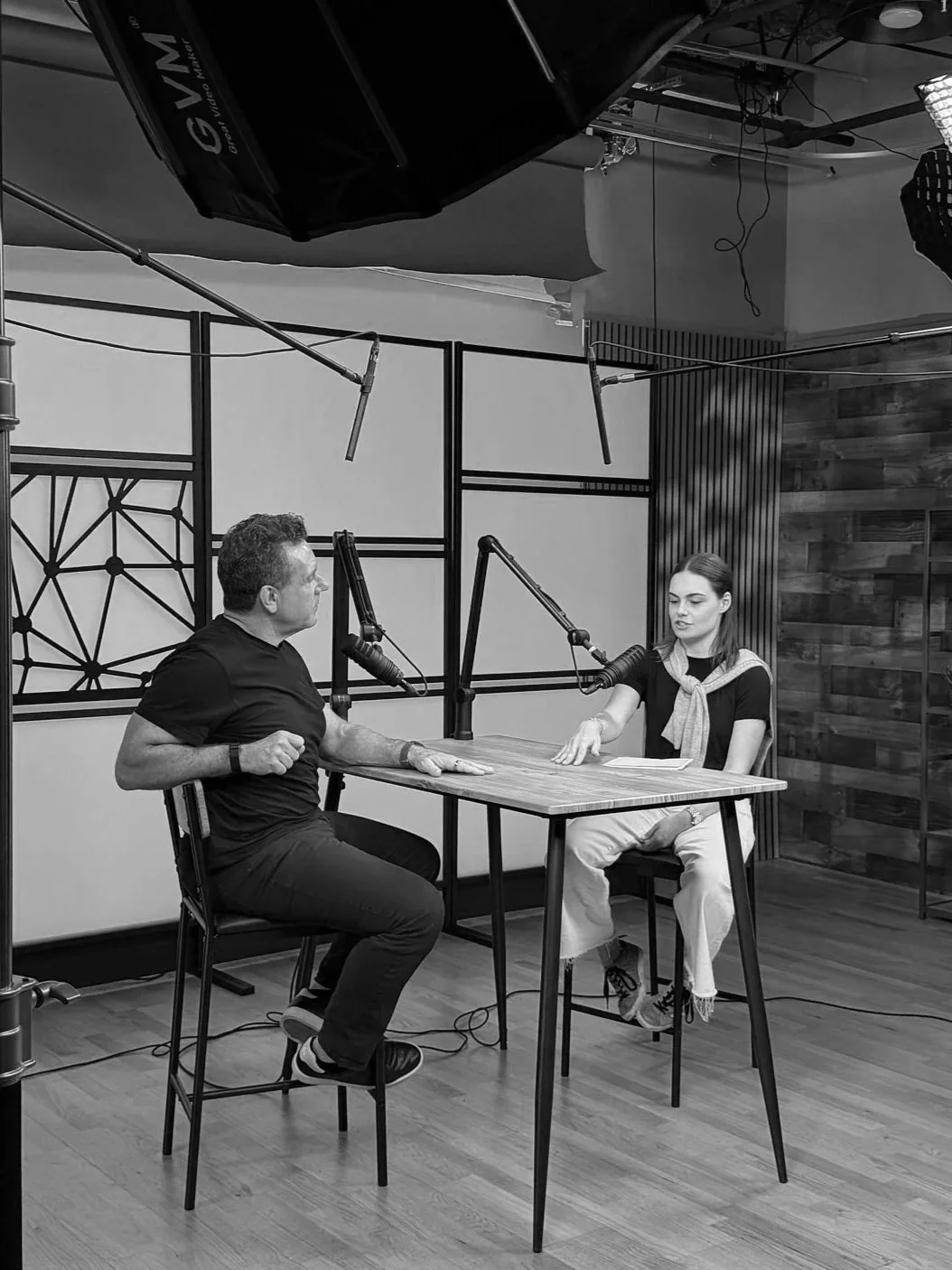
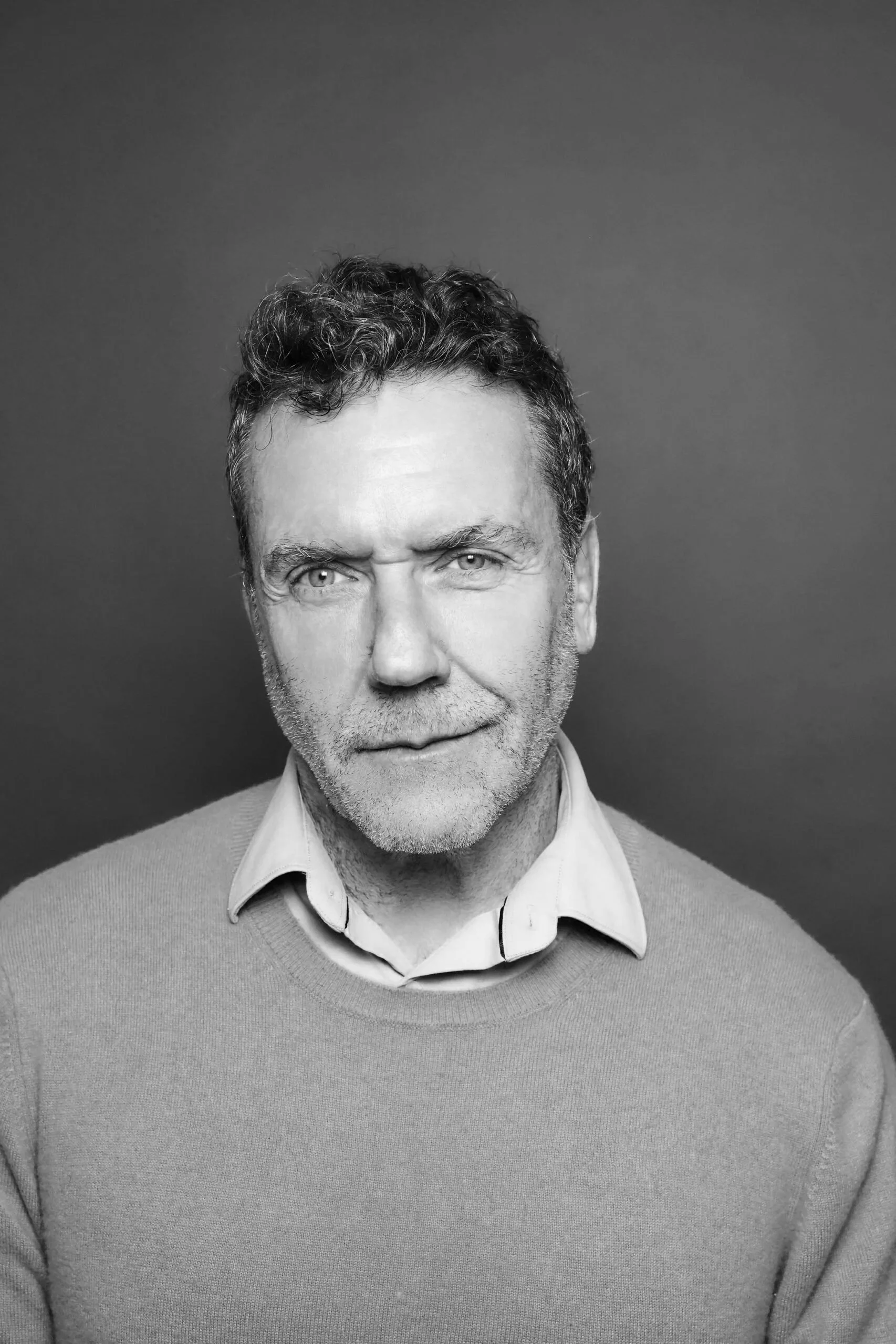












if you know what you need to do to improve your mental health, but struggle to implement these changes into your life, then this episode is for YOU. today’s guest is shireen rizvi— a licensed clinical psychologist who has conducted research and training in dialectical behavioral therapy (dbt) for over twenty-five years. in this episode, dr. rizvi and i discuss how to implement dbt skills into your daily life. whether you’ve never heard of dbt before, or you’re a dbt expert, this episode isn’t just about learning the skills— it’s about figuring out how to actually apply them in your life. because while awareness is a crucial step in mental health recovery, it’s not the only step that matters.