
242. for anyone who thinks they’ll never get better (my mental health story)
listen to this episode:
Tune in and subscribe on your favorite platform: Apple Podcasts | Spotify | YouTube | Amazon | GoodPods | Castbox | iHeart Radio | overcast | pocketcasts
want to know why i started this podcast in the first place?! there’s a reason why i care so deeply about mental health, and why i believe so strongly that mental health recovery is possible.
in this solo episode, i’m sharing my mental health journey with you, taking you through my recovery from severe depression and anxiety right from the start. i cover the highs and lows of my story, including how i went from being hospitalized for my mental health four times in one year to graduating as a psychology major and creating a new york times-recommended mental health podcast to help others who are struggling.
my goal in sharing this is to let you know that if you’re struggling, you’re not alone. this episode is your personal reminder that if i can recover, then so can you.
i talk about:
risk factors that led to me becoming severely depressed
how i realized i was depressed (key warning signs)
ways that my depression affected my quality of life
being hospitalized for my mental health + how that impacted me
aspects of depression we don’t talk about enough (burnout, validation, + more)
the biggest turning point in my mental health journey
a mental health belief that transformed my recovery for the better
going to a troubled teen industry program + that program’s effects on me
what inspired me to start this podcast!
mental health rules that i continue to live by today
mentioned:
SHOP GUEST RECOMMENDATIONS: https://amzn.to/3A69GOC
About She Persisted
She Persisted is THE Gen Z mental health podcast. In each episode, Sadie brings you authentic, accessible, relatable conversations about every aspect of mental wellness. Expect evidence-based, Gen Z-approved resources, coping skills (lots of DBT), insights, and education in each piece of content you consume. She Persisted offers you a safe space to feel validated and understood in your struggle while encouraging you to take ownership of your journey and build your life worth living.
a note: this is an automated transcription so please ignore any accidental misspellings!
Sadie: [00:00:00] My severe depression didn't come out of nowhere. You cannot accept the way you're viewing the world when you're depressed is how you always will see it. There was so much struggle and suffering that I could have saved myself if I knew how to make sense of mental health. You are deserving of a life worth living.
If I could get better, you can too.
Hello, hello and welcome back to She Persisted. I am so happy you're here today. We are doing an episode that I haven't done in a very long time and there are a lot of new faces here and so I wanted to reintroduce myself and retell my story and the origin of She persisted Why I started this podcast and really. The experience that changed the entire trajectory of my life. That is the driving force behind why I went to Penn to study psychology, why I'm applying to grad school, to be a psychologist, and of course, why I spend so much of my time sharing mental health tips with you guys and hosting this podcast, 240 episodes and six years later.
So we're gonna go all the way back to 13-year-old [00:01:00] Sadie, depressed, anxious, suicidal, in and out of treatment. And in my darkest moments, we're gonna talk about the turning points. We're gonna talk about how I got to rock bottom and how I got to where I am today.
And my hope is that this gives you the why behind she persisted. Why I care so deeply about mental health, why I believe what I believe when it comes to treatment, and your capacity for recovery. I hope this gives you the conviction that things can get better. If I can do it at 13, you can too.
And I hope that this story and this experience, and this episode serves that purpose.
I share a lot of bits and pieces about this in episodes, whether I'm giving advice or talking about a psychology topic, and I'll pull in these different pieces of my mental health journey To explain why something worked or why it was helpful. But whenever I share my full journey from start to finish, I receive so much positive feedback from you guys.
I remember posting like my Snapchat and [00:02:00] Instagram memories from that time when I was in treatment and at rock bottom and kind of sharing what that was like and then where I'm at now,
i've never received as much feedback as I do about this story. so many people who felt seen, people who didn't know about the background of the podcast, and people who realize they have been going through similar things, and they're not alone in that experience and that is the reminder that I need as a podcast host and someone sharing their experiences, but also something that I think.
All of us can learn from, which is that people don't automatically know your story. They don't know the beliefs you grew up with, the emotions you went through, the struggle that you survived. And so today I want to do a little reintroduction, bring you inside the background of my mental health journey of she persisted And my goal is that this isn't a, here's what happened to me story. It's a here's what changed and what might help you too. So hindsight's 2020. I've done hundreds, if not thousands of hours of therapy. I've done years of intensive treatment. I've now taken years of [00:03:00] psychology classes and spent so much time with the podcast and beyond Understanding what is mental health and why do things happen to us?
So I'm able to look back and kind of understand why these things happen, but I wanna add that important caveat that in the moment I felt so overwhelmed, so isolated, so confused, so uncertain, and that absolutely added. To my struggle and my suffering, and so that's why I'm so passionate about the podcast and my work with my career is that I wanna make mental health make sense.
It might be overwhelming, it might be uncomfortable, it might be vulnerable, but it should make sense. You should be able to understand why your emotions are telling you to do certain things, why you're having those thoughts or why there's an urge to have that behavior. And so that's what I'm able to do looking back and offer those additional explanations.
But I want you to know that as a 13-year-old, it was the blind leading the blind, completely unaware that I was depressed, unaware that I was anxious, no concept of understanding. So when I give you this explanation in context, know that hindsight's 2020 [00:04:00] and many a therapy session in psychology class have allowed me to look back at my experience and better understand it.
so zooming back to myself, 12, 13 years old in middle school. My severe depression didn't come out of nowhere. It was a perfect storm. I'm someone who feels my emotions really intensely. They're overwhelming, they're strong. I remember in elementary school and middle school when I was having like a direct conversation with someone or receiving feedback or being asked something really specific, like the action was to just cry.
Like emotions were never something that were like super comfortable for me to feel or that I love to experience. They always felt overwhelming and uncontrollable. Even before I struggled with my mental health, so there was this biology piece
there was also a mental aspect, how I saw myself, how I viewed myself in the world, and the core beliefs that I operated with, for whatever reason, for whatever theory you want to subscribe to. Growing up as a teen and as a 13-year-old, 14-year-old, I deeply believed that [00:05:00] I wasn't deserving of love.
Point blank. No caveat whether it was from my parents, my friends, my community. I didn't think that I was deserving of love. I didn't think that I was deserving of being seen and appreciated and heard and understood. I didn't allow myself to accept and feel love when it was directed at me. And again, it was that belief of not like I can't experience love or people don't love me.
I'm not good enough to be the recipient of that emotion or experience. so There was the mental piece.
And the last part was that I didn't have the support or the skills that I needed to navigate my mental health challenges when they arose. I didn't have a skillset to cope through those emotions when they felt overwhelming and distressing. I didn't feel comfortable going to others to ask for help. I wasn't able to articulate what I was going through, and I didn't have healthy, supportive friendships or healthy relationships with family members to have this wraparound community that was really supporting me from all sides as I went through this struggle.
This is the part of mental health that we often [00:06:00] overlook or we don't appreciate because mental health challenges don't occur in vacuum, and recovery doesn't either. And this is something that was really important for me to understand to then recover from depression, recover from anxiety, no longer be suicidal, build my life worth living.
We have to understand why we struggle, not just the symptoms, but the system that not only leads to them, but can exacerbate them and make things worse.
So let's talk about how I became depressed or realized I was depressed. I think I was so caught up in my own lived experience and the drama of my life in middle school, which I'm sure is a relatable experience or wasn't TikTok. I didn't have social media, although I'm someone who like was vaguely aware of mental health as a concept.
At no point was I ever, like, I'm depressed. I just truly thought I was deficient and unable to cope with life in the way that everyone else was like there was something wrong about me in that. I was experiencing a struggle and so much suffering and response to everyday occurrences.
I didn't have a huge [00:07:00] loss in my life. I didn't go through a huge change. There was no big event that resulted in me being depressed. It was a combination of those three things. Biologically, I experienced my emotions really strongly. I had these core beliefs that prevented me from believing I was deserving of recovery or accepting help.
and I believed that I deserved to be in pain. Like that's the self-concept I held. and then I was lacking the skills and the social support to work through that situation effectively.
so for me it was very black and white. One day. I wasn't depressed. I was just not coping with life like I should be. The next day there was this awareness and appreciation that, wow, what I'm experiencing is depression, and there's a name for this inability to live life the way that it seems like everyone else is.
and how that unfolded was that I was not sleeping. I had this mental understanding that when I went to sleep, I had to wake up and start the whole day again. I was also so overwhelmed by my day-to-day experience that these like moments at 2, 3, 4 am where I would work on homework or avoid what I was [00:08:00] feeling offered a break from that overwhelm That every other hour of the day brought, and as we know, not sleeping, make things exponentially worse.
I also was finding myself withdrawing from my family. I spent almost all my time in my room self isolating. I wasn't talking to anyone about what I was experiencing, whether it was friends who I had pulled back from relationships, my family, there was no open line of communication. I was in counseling, but I got to the point where when I'd go to sessions, I would stare at the ground and run out the clock.
I didn't have the vocabulary to describe what I was going through, and I didn't. Want to, it was too painful to think about, let alone voice. And again, I thought I was deficient because I wasn't able to navigate these ups and downs of everyday life that everyone else was.
So my mom took me to the pediatrician realizing that I wasn't eating, I wasn't sleeping. I had withdrawn from relationships. I wasn't talking to her, and I was really sad. I, I wasn't my normal self. And I remember going to the pediatrician and getting the PHQ nine, which if you've done any psychology research, you know, if you've ever been to a [00:09:00] doctor's appointment, you've probably been given it's nine questions that assess depression symptoms.
And I remember reading this list and immediately. Sobbing because suddenly every single thing that I'd experienced, difficulty sleeping, changes in diet, extreme sadness, less interest in things I used to enjoy,
feelings of worthlessness, feelings of guilt. This was my whole life. This was every moment of every single day, and there was a list of all these things and there was a name for it. And this wasn't just me. It was so incredibly validating and overwhelming to know that this wasn't just an isolated thing that only I had experienced, but this was a real thing.
This was depression
and I had been isolated in this experience for so long, unable to feel the emotions, talk about it, coping with it ineffectively That it was decided that the appropriate next step to take, because I was completely shut down, and not talking to anyone about what I was experiencing, despite being severely, severely depressed, was an inpatient stay. So at 13 years old, I went to my local [00:10:00] emergency room and I was put under a psychiatric hold.
My first inpatient stay was seven days. I was. Formally diagnosed and started antidepressants and that was my first experience with crisis stabilization and starting meds, beginning this treatment journey and having a name and support system for what I was experiencing.
and from that point onwards, for years, my identity and my life revolved around my mental health. I was not Sadie who had interests and hobbies and personality traits. I was Sadie who was depressed and anxious and whose life was consumed by her mental health.
and as I started to utilize treatment resources, The belief that I was deserving of feeling this way and that I wasn't capable of recovery became more and more solidified. The more intensive outpatient programs I did, the more hospital stays I had, the more therapists I worked with, and the less I felt better, the more I believed to my core that I wasn't capable of recovery.
I wasn't capable of not being depressed. Sure. Maybe this is a recognized thing. This is [00:11:00] depression. This is anxiety. There's a label for what I'm experiencing. but while others might be capable of working through these experiences, I am operating with a fundamental deficit. And this is how I view the world and this is how I experience it.
and I'm not capable of that change.
There's a label for this, just like there's a label for all these things, which you guys know. I love a label and explanation when it comes to mental health. This was despair. Despair isn't sadness. It's the belief that nothing you will do will matter. And that belief took over my life and it nearly ended it.
Then we're at this point in my mental health journey where every moment of my day is all consumed by depression, anxiety, conflict, avoidance, I couldn't be in school for a full day without having a debilitating panic attack and having to go home.
I couldn't sleep through the night because I was sleeping on my parents' bedroom floor because they didn't trust me to sleep in my own room. It was a safety hazard.
I was missing days from school for inpatient hospitalizations. I was missing part of the school day to attend intensive outpatient programs. Not only was my external life consumed [00:12:00] by my mental health, my internal life was absolutely controlled by these emotions and beliefs and this really negative experience.
It was all I knew. And because depression makes it very difficult to remember mentally what your life is like, before you were depressed, it's all I could remember. So me as a 13-year-old, I thought, I have always been depressed. I've always felt this way. I have always thought this way. And if I've never felt different, who's to say that I ever will?
I, for whatever reason, am deficient and ineffective as a person, and I will forever be depressed. I longed for recognition and validation of how painful my lived experience was. I wanted others to understand how hard it was for me to wake up in the morning, how every day I was battling to be here, to live my life, to understand how isolated I felt with my mental health, how no one could understand how much pain and suffering I was in even when I on a perfect front.
And I tried a lot of ways to get that [00:13:00] need for validation met, and I think it's really hard to move forward in your mental health journey without feeling seen, heard, and understood for your experiences. we need validation, and I tried to get it really ineffectively.
I was self-harming regularly because it was an external way for people to understand that my internal was painful and understand how bad things were for me mentally. The only time I felt seen for the severity of my mental health challenges when I was in the hospital, I was hospitalized four times in one year under psychiatric holds and inpatient days.
That's the only time it felt like people understood the gravity of the pain that I was experiencing and how. Dysfunctional my life was, diagnoses were the proof that what I was experiencing was real, whether it was depression or anxiety or all the other labels that were attached at some point. panic disorder, OCD, it was huge number of different psychiatric medications and the laundry list of different prescriptions. I tried to normalize my [00:14:00] mental health. It was that external proof that something's not right, something is wrong, and others see that and are trying to fix it. And even when I felt that the depression was lifting, the anxiety was all consuming.
I was having sometimes six panic attacks a day where I couldn't breathe. I was breaking out in hives, it was pulling my hair out. Even in the moments where I wasn't depressed, I was anxious. So again, mental health was taking over every aspect of my life and the external nature of anxiety also was recognition and validation that like I am so depressed that my body is not able to sit here and be normal.
And this meant a lot of chaos at home, a lot of conflict, a lot of disagreements, a lot of arguments, completely withdrawing from all my social relationships. Constant depression that left me in bed, unable to move throughout my life, or debilitating panic attacks that left me unable to live it. And I was extremely emotionally exhausted.
Within a year and a half, I had four [00:15:00] inpatient hospitalizations, probably a dozen different psychiatric medications, five to six therapists, two rounds of outpatient dialectical behavioral therapy. And again, every moment of my life was all consumed with these mental health challenges.
and so much of that was driven by the fact that I didn't feel seen, I didn't feel understood. I didn't, think that others could appreciate how miserable and how bad my life was
and
In these moments when I did whatever I could to get others to see that I wasn't okay, I wasn't seeking attention, I was seeking connection, and the tools that I had were not the correct ones. they didn't result in me being seen, heard, and understood. it just elongated and intensified the struggle.
I no longer just had to recover from depression. I had to recover from depression, anxiety, suicidal ideation, self-harming, eating disorder behaviors, insomnia. I was snowballing, and it would not stop.
So halfway through my freshman year of high school, I was backed into a corner. I'd been [00:16:00] hospitalized four times every single outpatient option. in my local community was exhausted. I was no longer stable and safe enough to do outpatient DBT.
I had broken that therapist client contract and didn't ask for help before a suicide attempt, meaning that I couldn't continue in that program. I was suicidally depressed on a daily basis. I was completely disconnected from my life I was really lucky in that my parents saw this and they refused to give up because we had exhausted every single local option, they cast a wider net.
they found a intensive residential program outside of Boston, three East at McLean Hospital that specialized in adolescent girls who were struggling with depression, anxiety, self-harm, suicidal ideation, basically everything that I had been struggling with for years at that point.
And it's important to note that DBT wasn't, new. I'd done two rounds of intensive adherent, DBT. I had tried everything, but I didn't do the one thing that mattered most, which was believing that it would work, and not only believing that it would work, [00:17:00] but believing I was deserving of a life worth living.
I operated with the belief that I was dysfunctional and had a deficit and was not even capable of recovery, I also thought so lowly of myself that I didn't think I was deserving of it. So not only was I not capable of building a life worth living, I didn't deserve to live a life I loved. I deserved to be in pain and struggle and suffer for however long my life would be, which I didn't have plans to make it through high school.
And so I packed my bags. My parents and I flew across the country and I went into an intake meeting at McLean Hospital they asked me why I was there. and I was very. Clear with them that I didn't want to be there. I wasn't allowed to do therapy at home.
I wasn't allowed to continue high school. I was on a medical leave of absence. I was too unsafe to continue living my life, and this was the last resort. This was the only option available. This was the logical next step, and that's what my therapist and parents and treatment. Providers had [00:18:00] decided was necessary for me, and this is where things changed because instead of saying, alright, great, glad you understand that this is the next step and this is why you're here because you're 14 years old and don't have agency in your life.
They said, okay, this isn't gonna work. if you don't believe that it's gonna work, If you don't understand logically that we have worked with thousands of girls in your exact position and help them recover from depression, anxiety, self-harm, and suicidal ideation, if you don't understand logically that this is a treatment that works really effectively for what you're struggling with, and if you don't have the emotional buy-in of wanting to get better and being willing to be vulnerable and accept the help we're going to offer you, this isn't gonna work.
You might go through the motions, you might feel slightly better. You might see a slight difference, but that's not gonna last. And you've gone through the motions before. And if you do that again, who's to say? This will be different. They also said something that really differentiated them as a treatment program. They said, every single girl here, regardless of their age, is here because they want to be here. We [00:19:00] don't take people who don't want to be in our program. And so if you are going to be a resident at Three East, you need to access your wise mind and decide that you logically understand this will work and you'll give it your best shot and emotionally be willing to do the work.
Be vulnerable. And engage in the process. No one had ever asked me that before. I'd been driven to all these appointments. I'd done all these things because I was supposed to, or legally I had to. if it was a hospital stay, but I had never been the one in the driver's seat.
Truly able to decide, do I want to be a patient in this treatment program and will I trust them enough with my mental health? To accept the help that they're willing to offer. I took a day to think about it. I cultivated that Wise mind, and I cultivated a single ounce of self-compassion. I didn't have enough self-love to want a better life for myself. I wasn't jumping in with two feet into this recovery journey. The amount of self-compassion I had at that point, the amount of hope I could cultivate was 50 years from [00:20:00] now.
I think maybe if I really try my best, things could be slightly better than they are today. That was all, but you know what? It was movement in the right direction. It was a little bit of hope where previously I had none, and it was a little bit of willingness to try and understand that if I did my best, things would change.
Which is something that I now understand to be so absolutely fundamental to not only mental health, but our lives as a whole. Do we believe that our actions will have a meaningful impact? And for so long I didn't believe that was the case. If I do everything my power to show others that I'm struggling, hospital stays still harm conflict, screaming for help without the words to articulate what I was experiencing.
Will others see that I'm struggling and validate that? They didn't, I wasn't being effective. I wasn't being direct. I wasn't advocating for the help that I needed in other areas. If I try and sit with this emotion, am I able to survive this discomfort and get through it, will I be okay? [00:21:00] No, I was absolutely debilitated on a day-to-day basis by these emotions.
They consumed my entire life and made me not wanna live it. So I lacked that belief that if I try, if I do my best, if I take action, that action will have a meaningful result on my life and the way I live it.
And so that's really what I cultivated at three East. I did intensive DBT, dialectical Behavioral Therapy. I was a patient there for 14 weeks. I spent time not only in the intensive residential program, but during the day I would go over to their partial hospitalization program almost as if I was going to school and practicing this normal everyday routine. And those 14 weeks gave me that sense of agency. I learned one day at a time that if I try, if I take action, it will have a meaningful impact on my mental health.
And for the first time, I accepted the help I was being offered and I was vulnerable enough To ask for it and to let others in so they could help me. I was doing daily therapy. I was doing family therapy multiple times a week. Medication management, [00:22:00] intensive skills, education. I worked a lot on my sleep routines, my diet, every single aspect of my mental health was workshopped during those 14 weeks.
I built a foundation of a strong relationship with my parents. One where I was able to be vulnerable and ask for help from them and and also start to let them in enough so I could accept the love that I didn't think I was deserving of up until that point. I, for the first time in years, was able to wake up in the morning and not instantly feel all consumed by depression.
I was able to have a regular sleep routine. I was able to experience anxiety or shame or sadness and cope with it in a normal capacity without it derailing my entire life. I decided to take suicide off the table as an escape hatch and last resort option if I couldn't tolerate this this discomfort, and during those 14 weeks, I started to tell myself and truly believe, Maybe I don't deserve to be depressed forever, and maybe I deserve a life worth living.
There wasn't conviction, there wasn't confidence, but [00:23:00] maybe I could do that.
after I left three East, it wasn't all sunshine and butterflies. I spent 14 months at a therapeutic boarding school that ended up being really traumatic and something I continue to work through to this day.
But I had this rock solid foundation that I'd established with the vulnerability and open relationship I had with my parents, with the skills that I had to cope with any mental health challenge that arose and this hope for a better future and willingness to build my life worth living.
And so today I'm able to understand this dialectic that some treatment settings, save lives. Three E saved my life. It forever changed my life for the better maintain stability. Those hospital stays kept me alive and some of them need reform.
especially when they're causing more harm than they are good. And I'm able to look back at these two dramatically different experiences and realize that what healed me was. Evidence-based intervention, DBT, the skills they taught community with other girls, with my parents, with my family, and autonomy, not [00:24:00] isolation.
And that is what is lacking to such a huge degree in the troubled teen industry and why reform is so antithetical to the principles that they operate with.
And so you might be wondering, how does the podcast fit in? And the podcast was a seed that was planted during that intake meeting at Three East when they told me that I had to trust them and be willing to be an active participant in the process.
And right before that meeting, my dad had said to me. Sadie. So many teen girls struggle with mental health. Like so many people are struggled with depression, anxiety. You are about to go on the most amazing journey and get access to so much support, like you should start a podcast and document this experience.
And I was so angry. I was so mortified. I was like, I'm absolutely not doing that. There's no way. He then asked that my therapist, if I could have a recorder and they're like, this is a huge HIPAA violation. No, you can't have a recorder at an intensive mental health treatment program. And I also still had no belief that this would work.
Why would I document a process? Why would I be vulnerable about something that was so painful? And again, that I [00:25:00] truly believed wasn't even gonna work? But a year and a half later, I realized that I had done it. I had done this complete 180 with my mental health. I was no longer depressed, anxious, suicidal.
I isolated. I was stable. I felt connected, I felt seen, and I felt hopeful for my future. And that's when I felt incredibly compelled to share my story, to let other teens know that you can make meaningful change in your mental health, even as a young adult, that even when it feels like you lack autonomy in your life, there are changes you can make for the better.
I also knew that there was so much struggle and suffering that I could have saved myself in those early days if I knew how to make sense of mental health, if I understood what I was experiencing. Why I felt the way I did and evidence-based ways of coping with those experiences in a healthy manner. also, in my treatment experiences, I was surrounded by other teens struggling.
I met hundreds of teenagers who were depressed, anxious, struggling with addiction, trauma, everything in the book. And as a teen, if you're [00:26:00] doing well with your mental health, you're not reflecting on why. You're talking about how to maintain your mental health.
And if you're struggling, you end up in an echo chamber of others that are also experiencing the same thing you are. There was no teen saying, I have been where you're at. I am now. In a better spot. And here's how I did that. And I felt that I could be that voice and I felt so strongly that if I could get better, you can too.
So I wanted to give you guys a last couple of takeaways that I carry with me today. These evergreen truths, rules for mental health that I continue to remind myself of, that I learned from my experience, but. still use to build and live my life worth living. The first one is that your brain lies to you when you're depressed.
this Pessimism and sadness and outlook on life, It's a symptom. It's not the truth. You cannot accept. The way you're viewing the world when you're depressed is how you always will see it. We know this from decades of psychology research.
You are [00:27:00] literally paying attention to different things, processing it differently and unable to remember what your life looked like before you were feeling this way. So when you're depressed, your brain is lying to you. take what it says and tells you to do with a grain of salt. Second, emotions are temporary even when they feel permanent.
this is something that Dr. Blaise Aguirre, who is one of my clinicians at three e said on the podcast a hundred episodes ago, and it sticks with me to this day as such a mantra to live life by. Life is impermanent and that impermanence will be on your side. The struggle cannot last forever.
This suffering cannot last forever. This urge, this emotion, this stressor, nothing can last forever and that will be on your side. And lastly. You cannot predict your future based on your worst day. We are incredibly bad at assessing and predicting where we'll be at tomorrow, next week, a month from now, a year from now, a decade from now.
especially at your, lowest of lows. Your ability to imagine what your life can look like is so incredibly deficient. So stop believing with such [00:28:00] conviction that you know what your life will look like, especially when you're struggling with your mental health.
If there's one thing you take away from this episode that I want you to remember, it is that you are deserving of a life worth living. Not because of what you've done or what you survived, but because you are a human. This is something I fundamentally didn't understand or internalize until years of treatment, but it is undeniably true, and if you don't believe that yet, take my word for it.
Borrow my belief until you do. So if you enjoyed this episode, make sure to follow at at She Persisted podcast on all social platforms. Subscribe, leave a review. It helps the podcast. And comment down below what your favorite part of this episode is, where you're at in your mental health journey, and I can't wait to hear from you, cheer you on and support you throughout your process.
If you enjoyed this episode of She Persisted, make sure to leave a review, subscribe, and share with a friend or family member. Follow along at at She Persisted podcast on TikTok, Instagram, YouTube and more for bonus content. Thanks for listening and keep persisting.
© 2020 She Persisted LLC. This podcast is copyrighted subject matter owned by She Persisted LLC and She Persisted LLC reserves all rights in and to the podcast. Any use without She Persisted LLC’s express prior written consent is prohibited.
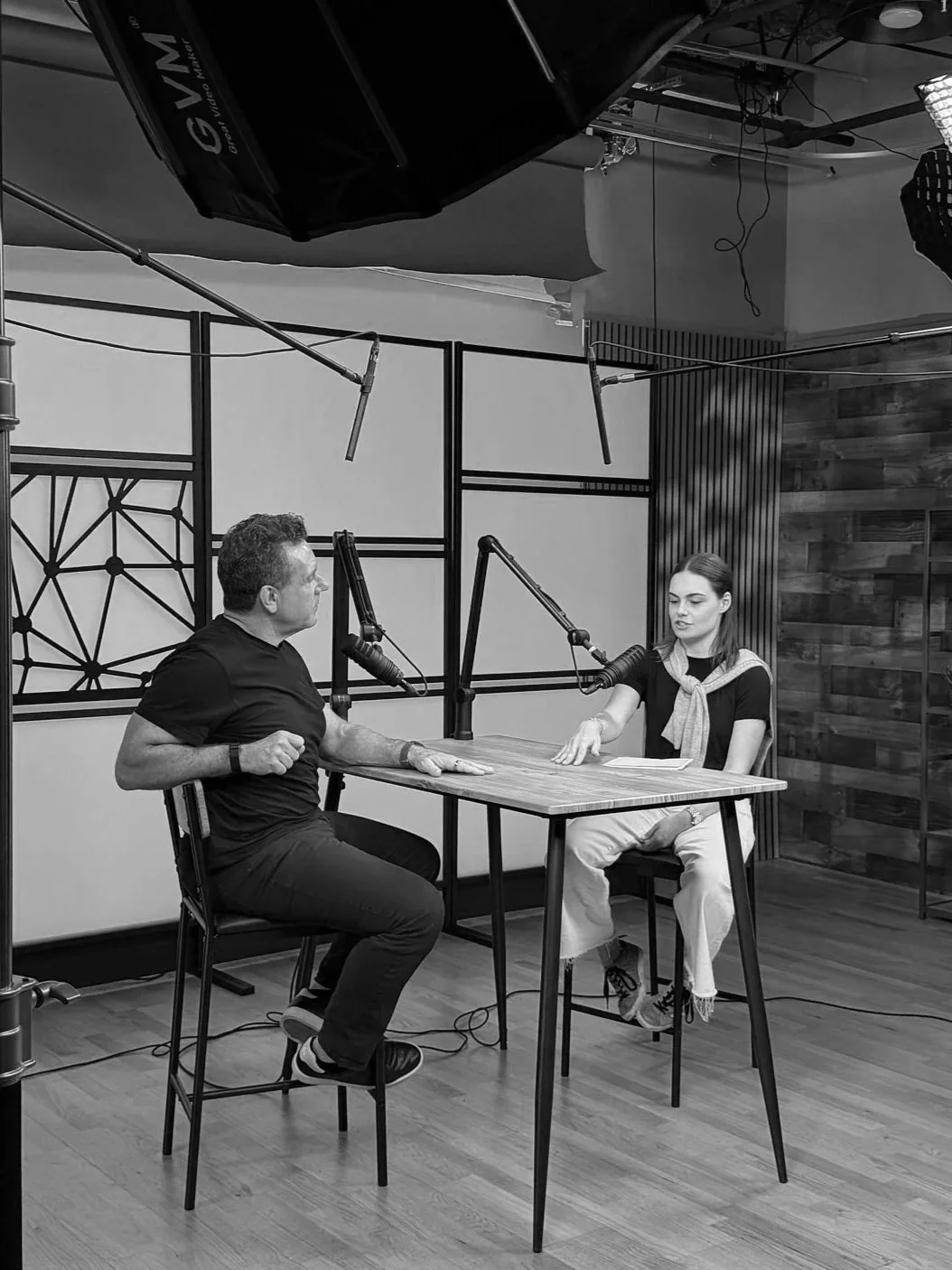
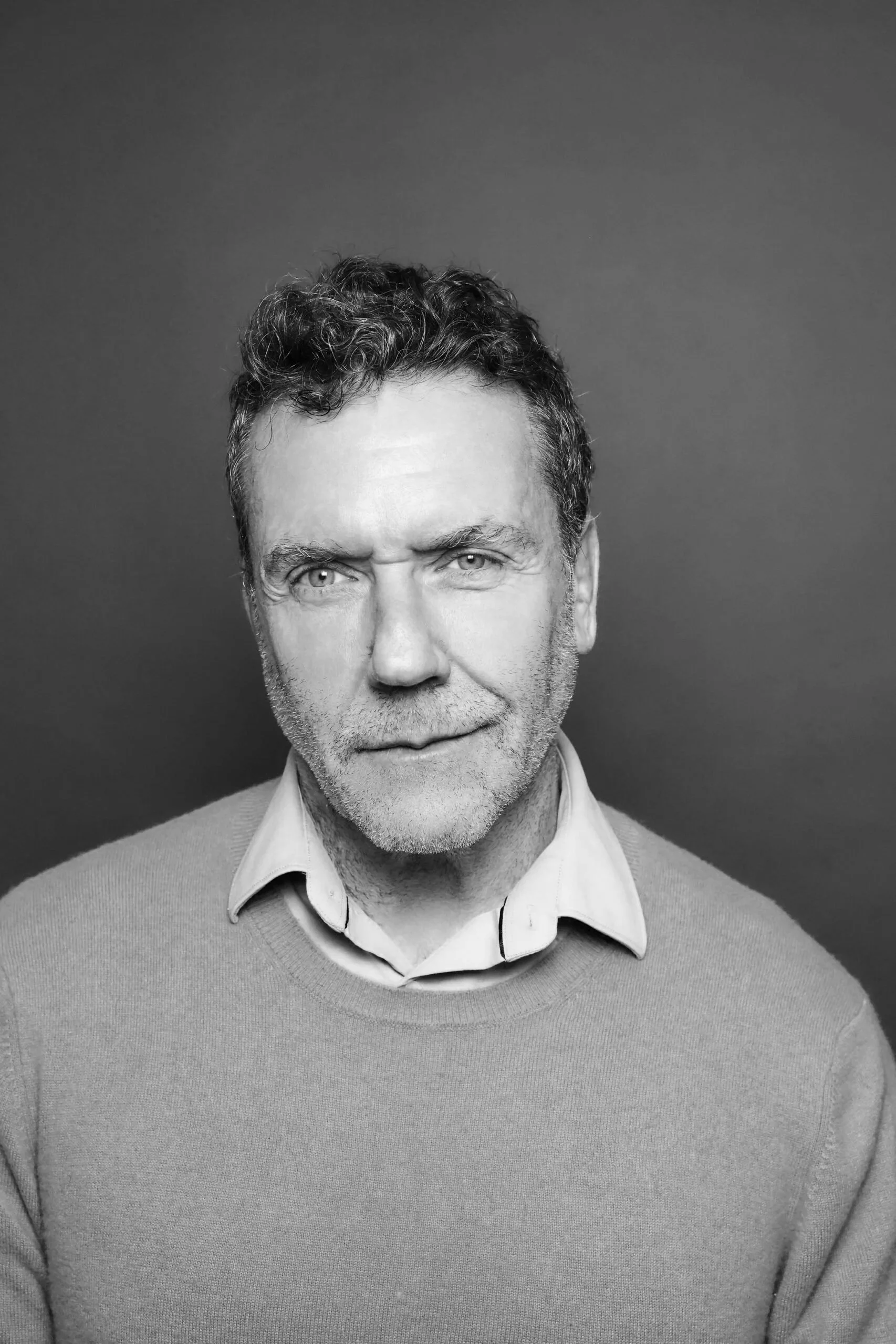










if you know what you need to do to improve your mental health, but struggle to implement these changes into your life, then this episode is for YOU. today’s guest is shireen rizvi— a licensed clinical psychologist who has conducted research and training in dialectical behavioral therapy (dbt) for over twenty-five years. in this episode, dr. rizvi and i discuss how to implement dbt skills into your daily life. whether you’ve never heard of dbt before, or you’re a dbt expert, this episode isn’t just about learning the skills— it’s about figuring out how to actually apply them in your life. because while awareness is a crucial step in mental health recovery, it’s not the only step that matters.