

listen to this episode:
Tune in and subscribe on your favorite platform: Apple Podcasts | Spotify | YouTube | Amazon | GoodPods | Castbox | iHeart Radio | overcast | pocketcasts
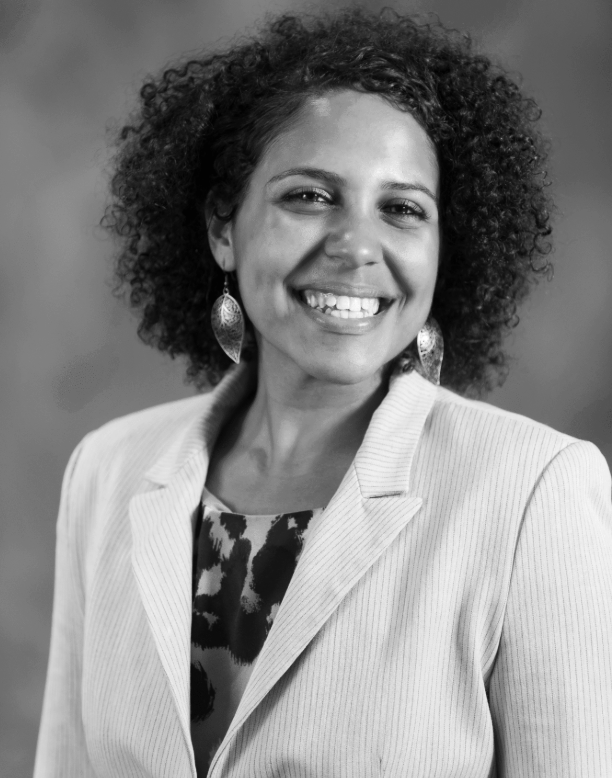
what sets dbt apart + is it actually effective?! today’s guest is dr. maddy ellberger— the founder of downtown behavioral wellness, a therapeutic practice that utilizes cognitive behavioral therapy (cbt), dialectical behavior therapy (dbt), and mindfulness-based stress reduction (mbsr). dr. ellberger previously appeared on she persisted to discuss using dbt to improve therapeutic outcomes.
in this episode, we discuss what sets dbt apart from other therapies! we also answer your most-asked questions related to all things dbt!
we talk about:
why dbt therapists are so different from other types of therapists
disagreeing or breaking up with your dbt therapist
how dbt got known for its distress tolerance skills + why that’s problematic
radical acceptance + what that actually looks like in dbt
willfulness + signs that you’re being willful in your life
what to do if your loved one needs therapy but won’t go
parents who don’t understand their child’s mental health struggles
how to make better friends + have closer relationships using dbt
+ so much more!
mentioned:
SHOP GUEST RECOMMENDATIONS: https://amzn.to/3A69GOC
About She Persisted
She Persisted is THE Gen Z mental health podcast. In each episode, Sadie brings you authentic, accessible, relatable conversations about every aspect of mental wellness. Expect evidence-based, Gen Z-approved resources, coping skills (lots of DBT), insights, and education in each piece of content you consume. She Persisted offers you a safe space to feel validated and understood in your struggle while encouraging you to take ownership of your journey and build your life worth living.
a note: this is an automated transcription so please ignore any accidental misspellings!
Sadie: [00:00:00] Welcome to She Persisted, the Gen Z Mental Health Podcast. I'm your host, Sadie Sutton. Let's get into it.
Maddy: the beauty of DBT is, you know that there's always an option B. There's never just one right way to get up the mountain. So if you are willing to try option A, that already means that you'll have option B, C, and D in your pocket. Mm-hmm.
Sadie: If you've ever wondered why dialectical behavioral therapy or DBT feels different from every other therapy, today's episode is going to connect all the dots for you. Maybe you've heard of DBT for its distress tolerance skills or seen it on TikTok, but you're not really sure what makes it work.
Or maybe you're in DBT yourself, but you can't pinpoint why it feels different from other therapy you've tried before. Either way, you're in the right place hello. Hello, and welcome back to She Persisted, Today I am joined by Dr. Maddie Berger, licensed psychologist, founder of Downtown Behavioral Wellness, and one of your guys' favorite guests ever on she persisted. Her episode is one of our most downloaded to date today's episode is one of [00:01:00] my favorites that I have ever recorded for. She persisted. As a specialist in DBT, she's here to explain what truly sets DBT apart and why it is so effective for people that are struggling with emotion regulation, relationships, and self-acceptance. We unpack everything from how DBT therapists are different from other types of therapists, what radical acceptance actually looks like in practice, and these subtle signs of willfulness that might be keeping you stuck.
We also get a DBT therapist. Take on your biggest questions and things you're struggling with. Like what to do when a loved one needs therapy but won't go.
How to navigate parents who don't understand mental health and even how to use DBT skills to make better friends and build stronger relationships. So by the end of this conversation, you'll understand not just why DBT works, but how to actually apply its tools in your own life to manage emotions, communicate effectively, and create change that actually lasts.
And if you've done DBT before, you're gonna love this nerding out session of what makes DBT great and some nuanced later stage ways [00:02:00] to live your life worth living. And if you're new to DBT, you're also gonna get a great intro overview,
so no matter where you're at in the process, you will enjoy this conversation. So without further ado, let's dive in.
You posted recently about DBT therapists versus normal therapists and how people have some heated opinions on the matter. They just don't get it. Yeah. And so I'd love to start this with kind of understanding these like nuances and if you've ever been in a session with DBT therapist, you know it, you get, it feels completely different.
You feel so seen and heard and understood. You're on the same level, but you're also looking to someone for guidance. Can you kind of talk about like. Why there's this different therapeutic relationship, why therapists are able to present themselves in a different way and yet help people in such extreme moments and be that lifeline, like it's a fascinating dynamic that you really don't see in other therapy contexts.
Maddy: Yeah, I mean, I think that like when we think of traditional treatment, like I won't even go into like dynamic therapy, just, you know, [00:03:00] cognitive behavioral therapy. There's this like, I don't know, rule that's disseminated in graduate school. That's like, you cannot self disclose. and it's, and CBT, it's not like you're a vessel, but like it's, it's.
Much more boundaried. Okay. For what it's worth, there are much stronger boundaries between the patient and the therapist. And DBT kind of takes that and like knocks it on its head because we're working with people with really big emotions and sensitive people. I'm a sensitive person. Like they, can feel.
The difference between somebody who's actually engaged and present and real versus somebody who is engaged and present and cares. But it's not the same as being real. The relationship between a DBT therapist and a patient is so wild, and it's still clinical and professional, right? So when people make these like blanket statements, like therapists should never, you should never.
Tell a a patient like, what's going on in your life? That's a crazy thing, right? Part of validation is being able to say like, you [00:04:00] know, that's the sixth level of validation that Marshall Lenahan talks about, where it's like this just radical genuineness, and that's what DB T is all about. It's radical genuineness, so like.
When I went through a really bad breakup a couple of years ago and I simply couldn't work, like the email that went out to my patients was, Dr. Berger is going through a traumatic breakup and she'll be back in two weeks. She's unavailable right now. And every single one of my patients, when I came back was said, are you okay?
And it wasn't to make it about me. I said, I'm fine. I'm happy to be here. Thank you for asking about me and caring. Let's talk about you. And that creates this like. Limitless clinical relationship where you get so much more than just the skills, right? Yeah. Because relationships, if you look at almost all psychotherapy, data, relationships are what is the.
Recipe for change in any single type of psychotherapy. Yeah. And so the type of relationship that A DBT patient has with the DBT [00:05:00] therapist is what's going to move the needle in helping this person. Create a life worth Yeah.
And that's, you know, my patients ask me where my genes are from, and they call me when they have, you know, urges to self harm. Yes. And it's all the same thing. And I'm here for all of it and I, I love it. Yes, my personality. So,
Sadie: no, I, I love it. And you mentioned validation. , I saw you post about my therapist book she also similarly shares the same perspective on self-disclosure and, It creates such a safe environment to be able to push back on those relationship dynamics and practice with someone who's so skilled and qualified, which you wouldn't be able to do if you didn't have a relationship with a therapist.
And the best example is when she told her her clientele that she was diagnosed with breast cancer. Right. And we, we talked about it and she was able to use that as an example because she was like. You were a deer in headlights, and then we just shifted the subject. Let's talk about that. And I was like, yeah, that's exactly how that would happen with anyone in my life if they had that [00:06:00] kind of news.
Mm-hmm. And how could you. Do that in such a safe context with someone who's so skilled and trained to see those patterns. If there's not that self-disclosure in that relationship.
Maddy: Right. And like so people think about DBT as DBT skills. Mm-hmm. And obviously DBT skills are everything, they're so important, but individual therapy and DBT is not like a cut and dry protocol like group.
Yeah. Right. It's, it's. Actually very loose. And so something that we talk about a lot when we're teaching DBT to trainees or students is this thing called movement, speed, and flow and movement. Speed and flow is how you utilize the treatment in the treatment room, right? So the relationship dynamic between the therapist and the patient allows for so many skills to be built, right?
And there's just. Real conversation. Like, I mean, I'm a kind of extreme version. I actually don't even think I'm an extreme version of DBT people, but like if a patient says something to me that, like, we [00:07:00] talked about a million times and they decided to act on the urge anyway, whatever it is, let's call it like texting a guy.
It's my favorite example 'cause I to do it all the time. Right? And, and, and I just look at them and I'm like, well, I told you so. Yeah. You know, like, and, and it's not me being a bitch. Like it's not me being nasty. It's not me trying to like shoot my own horn. It's. What I would, we talked about this, say, and I'm sure we did.
We told you what was gonna happen. Yeah, you knew it. You did it anyways. You did it. So now you know. Okay. Like. You have the outcome. You, you experienced the consequences that you didn't wanna accept. I said, if you wanna accept these consequences go off, but you didn't want to. So let's talk about that. And the person's reaction to my reaction can then be discussed in the treatment, right?
So if somebody feels like I'm being judgmental, then we talk about that and I can explain it and I can, we can have that conversation. So there's no rifts, right? There's this whole concept of rifts in psychotherapy of like, there's a rift in in the, the. relationship and then like the therapy is like basically fucked.
Yeah. And like the beautiful thing about DBT is [00:08:00] because there's radical genuineness, like, because it's based on radical genuineness and, and a real disclosure of between two human beings in an appropriate therapeutic manner. The rift gets fixed in the treatment, right? That's interpersonal effectiveness and that's very different.
Or if a rift occurs and I realize there's something I did after the fact, I'll call a patient after session three days later and I'll be like, Hey, can you get on the phone really quickly? I just wanna talk about something. I realized that I went really hard on you there, and the intention was good, but I'm not sure that I gave you the space to talk about how hard that was for you, and I'm sorry, right?
Yeah. No other treatment is gonna have their therapist call the patient in the middle of a week between sessions to apologize to
Sadie: them. Yeah, and I, I think about like, people are like, oh, I broke with my therapist. I'm therapist shopping. I sent them an email to, I'm like, you could never in DBT, you've both made a commitment to do this work collaboratively.
Yes. You're equally invested. Yes. You're on the same team. There is a full relationship. Yes. Never ever would it be even possible to just be like, I'm gonna go to like there are times when treatment is terminated, of course there are times when things, of course, [00:09:00] a shift is made, but it's done and modeled in how relationships effectively should be handled.
And that is so incredibly powerful once it translates to outside the office. Correct. A hundred percent. So you mentioned skills, which. If anyone says they're doing DBT, they're probably teaching you DBT skills. They're probably teaching you a little distress tolerance, probably not actual DBT, which is why we're harping on this like therapeutic relationship because it's truly the most important part.
Yeah. While the skills can provide instant relief, can we talk about like. These skills and how they are limiting. Because I think one of the most interesting things for people to be aware of, especially in crisis, is like distress tolerance can be too much. We cannot just tolerate the distress inevitably.
Correct. That's avoidance. Yes. Right. And so, and yet when people think of DBT and I see them post on TikTok, they're like, DBT is great for crisis. And that's all. I'm like, that's not DBT, that's a, that's dt, that's a module. Exactly it. And so , can you kind of explain this that like. The skills only go so [00:10:00] far.
Sure. And also, distress tolerance is not something that can constitute our life worth living. Right. Well, so.
Maddy: If you've heard me on, I'm sure I said it on this podcast, I've said it on other podcasts, like, you don't come to good treatment. I'm talking about DBT. Right? But you don't come to good treatment to be happy.
You come to good treatment to figure out how to deal with your life, right? Because that's what actually builds happiness. You can find joy when you feel like, here's life. Problem. A comes in, it hurts and I can know what to do with it. Right? Yeah. That's what DBT is all about. So if you think about it, no skill is going to be, or, or group of skills is going to be enough to get you to whatever nirvana it is you're looking for.
And if that's like, you know, it depends what the end goal is like. So of course it's limiting to look at the. DBT is such a black and white manner. It's not supposed to be looked at in a black and white manner. It's dialectical behavior therapy. Yes, we are inherently dialectical. The skills are [00:11:00] useful in helping us reach certain goals, but that doesn't mean that we're wire monkey.
Mm-hmm. Right. Like, and this is why when my patients, you know, there's a lot of what looks like DBT informed therapy right now. And then there's adherent DBT, right? And so I'll A DBT therapist is DBT therapist through or through, okay? Mm-hmm. Anybody I'm seeing, regardless of I'm treating them with ERP for OCD or I'm treating them with, T-F-C-B-T for PTSD, whatever it is. Like you're getting DBT, you're getting the DBT personality, you're getting the DBT vibe. Yeah, you're probably getting some DBT skills. Right. But if I have a patient who's in DBT, they're not learning skills from me on a day-to-day basis. Yeah. I might give them a scale.
And be like, okay, look, I'm gonna teach you dear man. You're gonna be ahead of the curve in group because we have to have this conversation with so and so and I'm, I wanna show you that you can do it. Yeah. But I'm not sitting and teaching skills. That's not how people learn to live a life.
People take individual therapy and they utilize individual therapy to apply and mold. What DBT Skills [00:12:00] training group gives us. So you can't just do DBT skills because then you're not, generalizing them for yourself. Right. I'm trying to, find a way to like, not sound like a science freak.
Right. But like Yeah. you're not creating your own life. Yes. Like you're just copying and pasting. Anybody say this through motions all the time? I say this all the time. Anybody, you could have a little broomstick, teach skills or teach a protocol. It is an art to be able to work with somebody and help them change their life on a wholesale like yeah.
Level. And so, yeah, if you just, if, if you're a provider who wants to. Be able to give some good skills, right. DBT skills are good and exciting. Yes, and they're evidence-based. Then yeah. Obviously giving some distress tolerance skills is great. That's a great tool. But if you don't understand how to help somebody be mindful of when to apply them, why they're applying them, when to pull back, and all of those things that come from the gray area in between, then you're not really doing somebody a service and you're limiting this treatment to something that is very, very small and [00:13:00] narrow.
Very black and white and very much so, not what it's meant to be. A hundred percent. And
Sadie: I think you mentioned evidence-based. I think that gets lost and I have so much frustration around this that like those evidence-based outcomes are a result of DBT in its totality, which is heavily the individual therapy, correct.
Or the family therapy or that therapeutic relationship. Correct. And we know that the skills alone. Don't make things better. Sometimes when you give them to everyone, people get worse. Right. And so the idea that you could pull that subset of this thing and be like, yay, it's working, ta, that's what,
Maddy: yeah. I mean, is it logical?
Well, but it's like very reflective of, I think the way that like we, I'm gonna go on my like social media soapbox for a second. It's just reflective of the way, like we all like consume shit. Now. Mm-hmm. You know, it's like, it's either this or it's that. So like DBT, nothing's really a dynamic anymore, right?
Nothing's really like, multifaceted. Yeah. So DBT is skills, right? CBT is, is thought challenging, [00:14:00] blah, blah, blah. Is this, it's, like there's no nuance. Yeah, there's no nuance anywhere. And like, that's actually the beauty of DBT. If you read Marsha's original textbook from 1993 that I talk about all the time, like.
The reason that individual therapy is not protocol is 'cause there's so much nuance.
Sadie: Mm-hmm.
Maddy: And that's also, by the way, modeling for somebody who experiences big emotions, like the nuances of life and it's safe, it's okay, it's doable, you can get through it exactly. Like nothing is really ever as bad as it seems, it's going to be.
Because there's always a way to manage and get through.
Sadie: Mm-hmm. You led right into my next question, which is radical acceptance. Ugh. Another DBT buzzword. I hear people talk about this in other contexts, and I'm like, you're not explaining it correctly. We're losing all the nuance in the dialectics here, but it's something that really draws people in.
Like gets them to drink the Kool-Aid of DBT 'cause it's such a powerful, profound scale. But can you talk us through when [00:15:00] we're radically accepting how we're doing that and why it's important to radically accept situations, which is something that a lot of people that are struggling don't wanna do?
Myself included. Yeah. I was like, you, you want me to accept this? Right? Like, I'm miserable, everything's awful. And so I'd love to start there because it's so pivotal. It really is that first step when you are choosing what path to take. Because the best part about DBT, which other therapists won't ever say to you is you can always not do it.
You can always say no, correct. You
Maddy: can choose to not,
Sadie: you can your life, you can choose, do whatever you
Maddy: want. You always have a choice and there's then always another option after that. Yes, a hundred percent saving a few situations, right? But what is radical acceptance in its essence, it's quite simple and also quite miserable to do at the same time. Yeah. But radical acceptance in its essence is I am not trying to change a situation that I have tried to change. Right. We always start with change, right? If we can fix something, we're gonna fix it.
Obviously, we're not just gonna let shit flow like that's stupid. But if we have tried to fix something [00:16:00] and we can no longer fix it, we are going to stop fixing it and, and live in it as it is. Acceptance is not approval. Acceptance is not happiness. Acceptance is not being on board. Acceptance is just You are in what you are in, which then by the way, opens up a whole new realm of being able to problem solve further, right? It actually frees you up to be able to see the reality that you're in with limitations, right? I see a lot of people in their twenties, men and women.
A lot of people talk about relationships, right? So a lot of the, the things I'm gonna pull from here, are gonna be relationship stuff, right? So somebody goes on a bunch of first dates, okay? And they only go to, to the first date. And someone's dating and dating and dating and, there's just not.
Feeling like they're meeting the right person or they're feeling like they're meeting the right person and then they're getting rejected. And so what radical acceptance is not is like, I'm just gonna be alone and unhappy. Right? By the way, [00:17:00] eyes are only have been there, right?
Yes. Radical acceptance is accepting limitations on the future, not accepting hopelessness, right? So maybe the conversation is, and maybe the radical acceptance is, right now I'm unhappy because I haven't found someone. And that doesn't mean that it's not in the cards for me in the future. Yeah. Am I taking the steps to get there?
Right. So if I can accept that right now, I am unhappy because I don't have somebody, and of course then that's something that can also be worked on, right? It allows you to continue to work on finding that person, doing whatever steps you need to take to reach the goal of. The relationship or whatever it is, whatever work you need to do on yourself to be mindful of what's not going well on dates, right?
Yeah. If you are just hopeless, like if you are the problem or if the problem's too big, then like there's nothing to do and then like why try?
Sadie: Yeah.
Maddy: So radical acceptance is like, it unlocks a key for us to actually be able to continue living in the life that we're living in because we're choosing [00:18:00] to.
Figure out how to make that work as opposed to like just live in that. Yeah. Suffering. Yes. And wishing and hoping.
Sadie: While you were explaining that, I was like, okay, wait. I think the DBT worked because I remember that when radical acceptance was first taught to me and explained to me, and it did take six rounds of DBT for it to really stick.
Of course obviously never sticks the first time. 'cause you're going through the motions and not actually doing anything. You're just learning the skills. Right. But. It was explained to me that radical acceptance is no longer denying or fighting or pushing against reality. Correct. Because that's what a lot of people are doing when they're suffering and struggling, whether you realize it or not, like you don't want to accept your current situation.
Like you are not accepting the cards that you've been out, which sounds for good reason, by
Maddy: the
Sadie: way. A hundred percent for good
Maddy: reason. Like if you are sitting there and you don't get a job or you are sitting in traffic and you have somewhere to be. Yeah. And you are like. The fuck. Like, I, you know what I mean?
Like, it's not that the, the pain is not the problem. Yeah. It's the suffering. It's the lack of acceptance, like you said. Sorry for [00:19:00] interrupting you. No, I just, no, I'm very passionate
Sadie: about this. Yes. Like, and I think it also is so easy to frame it, it as like, why aren't you thinking that way? Like, it's just, it seems like, okay, duh.
Like we should think differently. But it's so incredibly challenging and it's also incredibly painful and aversive too. Even feel like you're willing to accept Right. This thing that sucks. Right. And like you said, it's not agreement. It's not approval, but when you're pushing back and fighting against it, that in itself feels like some level of change.
Maddy: Yeah. Like you're Exactly, it's toddler stamping the foot. No, I don't want this. There's actually something called, there's a cognitive behavioral construct called thought action diffusion. I almost like forgot everything.
so thought action diffusion is when we, the experience of thinking about.
The thing that makes us uncomfortable actually gets translated into behavior. Mm-hmm. And I love this as a DBT therapist because thinking is an action, right? Yes. In DBT, we include thinking as a behavior, right? Yeah. And so if we're spending our time thinking, I wish it was different, or if only I did this, or what if [00:20:00] I did this right?
Those are all suffering thoughts. Yeah. And those are very natural. Suffering comes with pain to a certain extent, but if we're spending time thinking about that, our brain might sometimes code that rumination as behavior. And so even just that thinking makes us feel like we're doing something when actually all we're doing is magnifying certain emotions and keeping us stuck in that loop.
Sadie: Yeah, very challenging. I even though you're doing some things, you're mentally like, okay, there's some microscopic amount of progress. Like I'm not just sitting here kept doing nothing about it. Right. Except you're digging your hole deeper except that you are Exactly. You actually are. You're actually doing something to make it worse for yourself.
Yes, yes. You talked about hopelessness, which I was gonna ask you about. I wanna talk about willfulness. Oh. Which was a mind blowing thing to understand that I was being an incredibly willful 13-year-old. Oh, how dare. Very much a willful mindset. . Like that was how I was living my entire life. And yeah, I think it's something that you don't hear about outside of DBT and I'm like, how are we not talking about, this is something that's in our everyday [00:21:00] vernacular.
I, when I was writing these questions, I was like, hopelessness is, nothing will change. The willfulness is like, I'm not even gonna try. Right. And Well,
Maddy: and they're obviously in like connected.
Sadie: Yes. And so I wanted to kind of hear your perspective on why would anyone feel this way? Because again. If you're listening to this and haven't experienced it, which so many parents with kids in DB t or people who are trying to support someone are like, why would you be hopeless?
Right? That's not good for you. Why would you not wanna try and change? So how do people even get in that head space and why are we willful? So for a reason like DBT, everything has a reason I.
Maddy: Had a mentor. I've been doing DBT postgraduate now for 10 years, almost 11, which is insane.
And I had a mentor that early in my career, I was at the same practice for my whole career until I started my own practice and it was incredible. And I had a mentor say to me once, if somebody can't figure out why they are unwilling to try anything, then you ask them what is the fear? What's the worst thing that's [00:22:00] gonna happen if you try this thing?
Right. And that's usually what's underneath the willfulness. It's not, I don't want to, I don't care. It often comes out as fuck this shit, or nobody understands. But really what it is is. Often I am afraid that if I try this and it doesn't work, then what? Or I'm gonna try this and I'm not gonna be able to do it.
So what does that mean about me? Yeah. It's almost always what's the fear, right? If you're not willing to do something that maybe seems like it makes sense or isn't, quote that hard, and I say quote because of course that's invalidation. And if things were easy, we'd already be doing them just for what it's written.
Yes. No friction, no change, right? But If somebody's not willing to do something that some that everybody else is saying is gonna help them, there's always a reason for that. And the reason is usually like, what, what's the fear underneath it? Yeah. What's gonna happen to you or what's gonna happen to the situation if it doesn't succeed?
And the if it doesn't succeed, the fear of taking that risk is like almost always [00:23:00] what gets in the way of like any willingness for change.
Sadie: Yeah.
Maddy: Or willingness for acceptance. Just willingness in general, right? Yeah. The what if and not knowing the other side of that coin is the hardest thing to accept, I think.
And the beauty of DBT is, you know that there's always an option B. There's never just one right way to get up the mountain. Yeah. So if you are willing to try option A, that already means that you'll have option B, C, and D in your pocket. Mm-hmm.
Sadie: And you
Maddy: can always make things worse. You can always go down the mountains.
You can always, you can always go down the mountain, right? That's always an option. But the idea like is that patients don't fail in db t, right? Mm-hmm. That's a, that's a inherent, like, , I forgot what they're called exactly, but it's like a rule marsh's a truth or something. Yeah.
It's like Marsha has her, like, you know. Whatever thingy. The Torah? Yes. If you'll, yes. Literally the 10, the 10 Commandments essentially, and it's patients don't fail, but because that really models data that people don't fail. Mm-hmm. In [00:24:00] situations. Key assumptions
Sadie: of treatment,
Maddy: key assumptions. Thank you.
Right. Me, I don't, somewhere in for 11 years, also me, I don't know what this is called, 10 commandments like,
Sadie: sorry. You are like, don't worry, I got you. Thanks.
Maddy: Can't wait for you to come work for me in like eight years. , Yeah.
It's like you don't fail because there's always another way to get through something. Yeah. And if you can't change it, then you have to accept it.
Sadie: Yeah.
Maddy: And like, that's really what we're modeling, , by learning willingness and learning but like do exposure to the fear of something not going the way we want it to.
Sadie: Yeah. And I, I think what you described was like. Me exactly at my most willful, and everyone around you being like, why wouldn't you do this thing? And that was me. Like a suicidally depressed freshman in high school who had taken a medical leave of absence, had been hospitalized four times in the past year, done two rounds of DBT at Stanford, was no longer safe enough to do DBT outpatient, like all the things.
And then I'm sitting in the intake meeting at McLean Hospital with the. Best, DBT clinicians. And I didn't wanna, I was like, I don't wanna be here, I don't [00:25:00] wanna do this. I tried DBT, it didn't work. I don't want to Right. Complete willfulness. And they're pros. They know how to approach it and ask the question, all the things, but it was like.
These people are here to help you. What they're doing is working. Why wouldn't you do this thing? And it was the exact fear you outlined, which is what if I try this thing, which is apparently the end all, be all best resource that exists. And I'm still miserable, right? But also, what if I do the work when I'm already suicidally, depressed, struggling, and in pain not wanting to be here.
And the the process is more painful. Yeah. Because I can't bear any more pain at this point in my life. And what if this. Is tipping the boat to the point where this is even possibly, somehow, even though I can't fathom how that would be the case, this is harder, yeah. Than my current life. And so when you have that kind of ability to think about, okay, there's a reason someone is feeling willful, and there's some thing about the process or the outcome that's causing that emotional response, despite it being illogical.
You are able [00:26:00] to create change.
Maddy: Well, and if you think about it, it's no longer illogical if there's a reason behind it. Yes, yes. Right. That's like, that's really what we do in DBT, and that's how we sort of like counteract the invalidating environment, which of course is often not intentionally validating.
I really like to put that out there like, but. It actually does make sense. the way that somebody feels does make sense based on their context, right? So what they're thinking, what they've experienced, what they're doing, right? But not every behavior or thought is valid. The emotion behind it is valid, right?
Mm-hmm. So the fear of like, I, I can't, if I do this and it doesn't work, like I'm back in the same, so I may as well just be dead, right? Yeah, yeah. The fear is valid, but the thoughts behind it are not, not just valid 'cause the what if, the what if of like, okay, well what if this doesn't work? Like. Okay. What if like, then there's something else that you do after the fact.
Yeah, right. Like that stuff that's driving the emotion is not always valid. So it's not even irrational. It's actually [00:27:00] rational and unhelpful. Yes, yes. That's really the way to look
Sadie: at it. So dialectical. Yeah. You know. Love it. Okay, we're gonna do some DBT therapist advice on the things that people most frequently ask me about, and I always try to give my best answer, but.
Why not give them the expert episode to direct them to an A, no BS direct DBT way. Great. The first one being my friend, my partner. My kid needs therapy, but they won't go. They don't wanna do it. Hmm.
Maddy: Okay. Good luck. Yeah, literally I'm always like,
Sadie: well, you can't really do anything. This
Maddy: literally, good luck.
I mean. First of all, there's so many things that I would say here, right? Number one, if if you were my patient and you were coming to me and you're saying so and so needs therapy, I would say, well, according to who, like says who, right? Yeah. Yeah. First of all, it's a judgment. What does it mean? Needs therapy?
What's the behavior that's going on that's not working? For that person, not just, or for you, maybe it's fine for them. Right, exactly. Like what? What's happening? Well, that's kind of the point is like, is it not working for you or is it not working for them, and why is it not working for you? Right. So [00:28:00] when we're automatically supplementing like on somebody, they need to do this, that's a judgment.
So we need to pull back and we need to be able to describe, right. There's your first DBT skill. Describe, right. What is the behavior that's occurring? What are the outcomes that are occurring from it? What are the things that you can say as fact, which is how you feel, not how the other person feels. Okay.
So once you've identified that, and it seems like there is an actual thing that's getting in the way of someone's life that you have concern about, because that's all you can do is be a concerned citizen. Yeah. Right. Then you have a conversation with someone. How are you having that conversation? Are you being skillful about it?
Are you using the GIVE skill? Are you being kind and gentle? Are you being black and white? Rather than, you know, using the fast skill, talking about your values and just sharing where you come from, the, the essence of interpersonal effectiveness is not, can I get someone to do something for me? It's, can I walk away from a situation knowing that I was my best, most effective self, regardless of
Sadie: the outcome?
Right? So even if you prioritize the outcome and put your eggs in that basket, that's still not the judgment [00:29:00] of if you were effective or not. Yeah.
Maddy: you walk away from a situation of I'm talking to my friend about, I'm really concerned about you and I wanna ha, I want you to go to therapy.
Your litmus test is, did I speak from my values? Was I truthful or was I using the fast skill? Yes. Was I like implanting some given that like so I wasn't being like a fucking bitch, like, you know what I mean? So then you start with that, and then if somebody is not willing or interested for their own reasons.
Then you are now faced with, again, your own choice. Depending on the relationship, depending on the scenario, you have options. Most likely the option is to accept. Yeah, right. And what does acceptance look like? And I think for people, let's say for example, if you have a friend or family member going through a mental health crisis, like knowing the difference between support.
And like over engaging and who and how, and when to reach out to other people. Right? That's acceptance. [00:30:00] Acceptance is, okay, this is where this person's at. What do I need to do to keep them safe and to keep myself safe and sane, right?
Sadie: Yeah. Yeah.
Maddy: If it's, you know, a more serious situation or more, more dire, right?
Then it's. Okay, this person is not accepting help right now and they're unsafe. Like, how do I get this person to be safe regardless? And again, that's who do I reach out to, right? Yeah. What is support versus what's above my pay grade and how do I stop trying to like push the river upstream? I'm sober and my sponsor always says if you're pushing the river up the stream, like you're getting nowhere.
Yeah. Right. So. I'm not gonna try to convince somebody to go to therapy because it's gonna make me feel better about the fact that I think they need help and it makes me less scared.
Sadie: Yeah,
Maddy: right. What I'm gonna do is I'm gonna be present, I'm gonna be observant, and I'm gonna figure out what resources I need to make sure that this person is not flying off the handle, nor am I.
Sadie: Yeah. And I think what you mentioned is like the outcome that you're looking for is your effectiveness in that situation. Mm-hmm. And you're reminding yourself that if you keep pushing [00:31:00] and prioritizing this outcome at all costs, that's incredibly ineffective in the relationship. Yep. Both for the other person in their experience, but also for you.
Yeah. And I don't think that we think about. That when we have the scenario of this person needs help, I see them struggling, which is an uncomfortable experience. Sure. To know that things could be different. You wanna help them, and what is your power there and what's most effective?
Maddy: You know what I like to say to people, it's like a very me thing.
I, I am big on a reverence in DBT. As I'm sure you could tell, but I like to say to people, not your circus, not your monkeys. I say that all the time, not your circus, not your monkeys. And I'll say it to people, I'll, I'll be like, either somebody will be talking to you, somebody. I'll be like, what is that?
Is that your circus? They'll be like, not my circus, not my monkeys. I behaviorally train all my patients very well. Yes, like ultimately if you are watching the circus from the sidelines, then all you can do is watch and know what you need to do in case of emergency. Yes. A hundred percent.
Sadie: And I think we [00:32:00] like to insert ourselves into a lot of circuses.
And you really don't need to, it cannot be your circus. No. It cannot be your monkeys. It's about you. Then fine. It's fine. Right. Next one is, my parents don't get mental health. Can't talk to them. Especially for the high schoolers or Yeah. The college students who are still legit dependent in that dynamic.
I think that there is some amount of a limiting belief here. And like a Yes, of course I can't take any steps because they're not the one spearheading this process. Of course. But when someone says that to you, likely they're probably not in your office because then they're getting help. Right. But like how do you approach that dynamic when they're like, my parents don't get it.
They won't talk to me. They're not supportive. They don't believe in mental health. Right. So okay.
Maddy: We're, we're like pulling on a lot of madism here with my lab. It's like my most exciting, I want someone to publish a book for me one day of just madism. It's like I love, it's my dream. Like a coffee table book.
Yeah. And it illustrate perfect. It's like so funny. And one day I will also write a book. I was talking to someone this week and they're like, you should totally write a book. And I'm like, fine. But the Madism book is gonna be different. It's like A to [00:33:00] A to Z madism. So I love it. So you said the word can't.
I can't talk to my parents. So. I'm a real stickler about language. I am like a dictator about language. Yeah. Because speaking is behavior. Thinking is behavior. What we do affects how we feel. So I really don't allow people to say the word can't. I do not allow it. I, I'm so obnoxious. I'm like, do you have legs?
Yeah, thank God, by the way, I won't ask somebody who doesn't have legs or they have legs. That's insane. But like do you have kernel truth in the situation, right? Like, do you have a voice box? Yeah. Okay, so then why can't you talk. Why can't you go and have a conversation? What does can't mean? Can't actually, what you're saying when you say can't is I don't want to, or I'm afraid to sort of like willingness, right?
Yeah. It all comes back down to the what's underneath that thing that's making it feel impossible and it's okay to not wanna do something, by the way. Yeah. Something that. I teach or we, we talk about in DBTA [00:34:00] lot is like when somebody no longer needs to lean in on the identity of being a sick person, you are allowed to have wants and needs.
Like you don't have to be depressed to not wanna go to the grocery store. Yeah. You can just not wanna go. Yeah. It doesn't mean you, you can't, it doesn't mean you can just like not go, but you cannot wanna go. It's not because I'm depressed, I'm suicidal, I'm this, I'm anxious. Right. And so. I can't, is the same thing.
You actually can. You might not want to. And then, then we start from there and we talk about why you don't want to, I mean, that usually is tied to the, what you're afraid of is gonna happen. Mm-hmm. Right. And if we can plan for those things and we can figure out a way to get those things to happen, for you to be less afraid of the, how do I have the conversation if this happens, how do I have the conversation if this happens, how do I have the conversation?
If this happens, then it's actually not that scary. If there's a way to understand. That something can be done even if the outcome that you want does not [00:35:00] occur. Like that's the key, like that is the secret
Sadie: sauce of DBT. Yeah. And it, it's, it's very uncomfortable and hard for someone to be like, if you're like, I can't, it's wrong.
Like there there is power, there is possibility. Like it's very uncomfortable to hear that. And think that because it's much easier to say they're not supportive, it's not possible I have to do this on my own. This conversation will be really difficult. They might not validate my experience, which is really painful and isolating.
So it's not easy switch. No, it's not like a Exactly. Oh, there we go. Problem solving. No. Why is mind? A hundred percent. But it does give you so much more power and agency, which if you're struggling, you have an extreme. Absence of Right? Like you're like, nothing is in my control, nothing is in my power.
Everything feels out of my hands. Yeah. And in fact, accepting those cards you have been dealt, even though it seems like it would give you less power. And in fact. Allows you to actually take steps [00:36:00] forward.
Maddy: I always say that to adolescents especially, or like, college students like you, can take the keys back to your car whenever you want, being unwilling and digging your heels in or saying I can't, those are all asking for everybody else to take your keys away and like lock you in the backseat, right?
Yeah. The second you ask how. How can I do this or what can I do, or why am I not willing to do this? You can take the keys back anytime. No one's trying to control you. Yeah, that's it. You just have to be willing to do 1.1 thing different.
Sadie: Mm-hmm. A hundred percent. Next one, I'm lonely or self isolating, which also, if you're listening, trying to support someone, you're like, why would you do that?
We know we need relationships. We know we would need support. Why would you not interact and put yourself out there? That's your lived experience. No one understands you. You don't have any friends. How do I make friends? How do I make relationships?
Maddy: Sure. That's like, so, so I just wanna kind of go, going back to just what, how you're caveating this for your listeners, which I think [00:37:00] is amazing, which is, if you're listening to this and you're a person who's not struggling with this, you're thinking, well, why wouldn't someone just do that?
Right. I think that. We're getting to, we're talking a lot about change here, right? Yeah. But I think that the other side of DBT that you are actually leaning into when you share that with your listeners is, is validation, right? Mm-hmm. And the question to ask yourself when you're trying to help someone or trying to understand someone is not.
Why aren't they doing what they quote should be doing? The question to ask yourself is what might be the truth behind their experience that is leading them to feel and behave this way? Yeah, right. So. I said it before, if something's easy, someone's doing it already, right? Yeah. change requires friction, otherwise again, we'd be doing it already.
So I don't even remember what your original question was, but I really liked the way you, like you couch it in like the, obviously for people listening, it's like, why wouldn't you do this? Well, why wouldn't you do it if it was easy or reasonable? Or if the person felt like they could, they would be doing it already.
Sadie: [00:38:00] Yeah, and I think that's a lot of the experience if you find yourself in A DBT context. You, there's a lot of things you should be doing. There's a lot of things you could be doing. Right. And you're, I wasn't, I was taking medical leave of absence, no relationship with my parents, no sleep. Like all of the basic things that are also digging myself in a deeper hole.
It still doesn't feel like it's possible to do. Sure. And that's what I love most of all in the podcast and research and all the things is, what is that reason? Behind that thing and how can we change that to drastically impact Sure. The outcome and the way we approach it.
Maddy: Well, it's like how do you regulate that emotion?
Yeah. 'cause essentially like that's all DBT is. Yeah. It's like, what's the thing behind the thing? How do we validate the experience that validating the thought or the behavior, and then how do we regulate that emotion so that it's no longer interfering?
Sadie: Yeah. A hundred percent. Literally all it's,
Maddy: but you said a que, you had a question about how do I make friends, right?
Yes. So, and it's like, okay. Oh, this is, I'm such a DBT loser. This kind of brings me to A, B, C, please. Yes, right. Which is our emotion regulation [00:39:00] skills to help us build our baseline up higher so that things don't hit us as hard. It's great, it's cool, it's crazy. But when we look at, a goal. It such an overarching way.
Like I, I don't know how I would wanna make friends. Like I don't, if you said to me today like, Maddie, how are you gonna make friends? I'd be like, fuck, fine. Now, like you could walk the streets of, someone picks me to my friend. I'm almost 37 years old. I work in an office all day at, with one-on-one with people.
How am I making friends? Right? Yeah. But that's where we have this concept of building mastery. What does it mean to have a friend? Right? Yeah. Like what does a relationship look like? And I, I don't think that people can. Do this completely on their own, right? So whether it be a support group, whether it be a therapist, whether it be a group, therapy group, whatever it is, like these are conversations you need to have, not with yourself.
'cause if you're having them with yourself, you're just convincing yourself of what you already know. But like so. You break down the goal. I want to have friends. What does that mean? What do you wanna be doing? Do you wanna be spending time with people? Do you wanna be doing hobbies with people? Do you wanna be [00:40:00] going out to eat with people?
Right? And what would a friend feel like? Like what's the definition of a friend? It goes all the way back to describe and participate. Right? Mindfulness skills. If you can describe. What these things are, what it might feel like to have this relationship. Then you can start to figure out the first step you need to take to get to that place.
But if somebody is really deep in it and like really stuck in the hole of like, I'm so not worth it you're not gonna know where to start to even be able to take one half a step of change. Yeah. Yeah. You need to be able to understand what it is that you're looking for before you can go after it.
And once you know what you're looking for, then you can have a of what you need to do. And those things might be hard. Yes, it might require you to call someone. It likely will. It might require you to like. Go to a run club if that's a thing for you. I, that would not be where I'm making my friends.
Same. A thousand
Sadie: percent not, but I know
Maddy: what I want. That is not it, a thousand percent. Right. But like, it's like you are going to have to do stuff Yes. Right? Yes. But don't just do stuff by [00:41:00] throwing things at the wall. There's actually a way to do it in, in a way that makes sense to you. So that it's not you're not climbing the Himalayas.
maybe you're just climbing like a five foot hill. Yeah. But you have. Skills, tools and support to be able to get up that hill so that you can take that step one to get to the end of the road, which is, I have friends and I have a social life,
Sadie: and I think this goes back to. The perfect wrap up.
What we talked about at the beginning is there's this like super surface level misconception that it's just these skills that you do in a situation that get you through a moment. And we just talked about the end all be all, most profound experience of life, which is relationships and connection, and how great is it if there's a really specific, tangible roadmap for you to take, even if you've never done it before, to get that thing that you want in an effective way.
I don't know why everyone doesn't do DBT. Right. Doesn't make sense to me. Right. Well, if people want to follow along with you, if they're in New York or the New York area looking for a DBT therapist, where can they do [00:42:00] that?
Maddy: You can find my practice on Instagram at Downtown Behavioral. You can go to our website, www.downtownbehavioralwellness.com.
You can also find us on TikTok, which is a journey for me at Downtown Mastery. Yeah, it's like literally like I'm the most avoidant, so Downtown Behavioral and TikTok, we are accepting new patients. My staff is. Second to none. I love them and I train them 'cause I'm a New York neurotic chew. Who does DBT? So please come if you need anything, you have questions.
Find us on socials, find us in real life. Our office is in Union Square and this was amazing. Thank you for coming. So glad we got to do this. Thank you so much for having me.
Sadie: Okay. How good was that interview? It was my first ever in person New York City interview and exceeded all expectations. There will be more in the future and I hope you loved it as much as I did. If there's one thing that I hope you took away from today's episode, it's that DBT isn't just a therapy.
It's a framework for understanding yourself, your emotions, and your relationships [00:43:00] in a completely new way. It's all about learning the balance between acceptance and change, meeting yourself where you're at, but also believing that things can get better. So whether it's practicing radical acceptance, noticing when you're being willful or using DPT skills to improve your relationships, try one thing from today's episode and see how it shifts your week.
If you enjoyed this week's conversation, it would mean the world to me if you left a quick review on Apple or Spotify, it helps more people find the podcast and you'll be entered into this month's giveaway. If you send me a screenshot on Instagram one lucky listener will get a coffee on me.
And you can answer this week's q and a on Spotify to tell me what DBT skills you're gonna try first. I love reading your responses and featuring them in upcoming episodes. And as always, you can find all the links and resources from today's episode in the show notes or@shepersistedpodcast.com. And with that, keep resisting and I'll see you next week.
If you enjoyed this episode of She Persisted, make sure to leave a review, subscribe, and share with a friend or family member. Follow along at at She Persisted podcast on TikTok, Instagram, [00:44:00] YouTube and more for bonus content. Thanks for listening and keep persisting.
© 2020 She Persisted LLC. This podcast is copyrighted subject matter owned by She Persisted LLC and She Persisted LLC reserves all rights in and to the podcast. Any use without She Persisted LLC’s express prior written consent is prohibited.
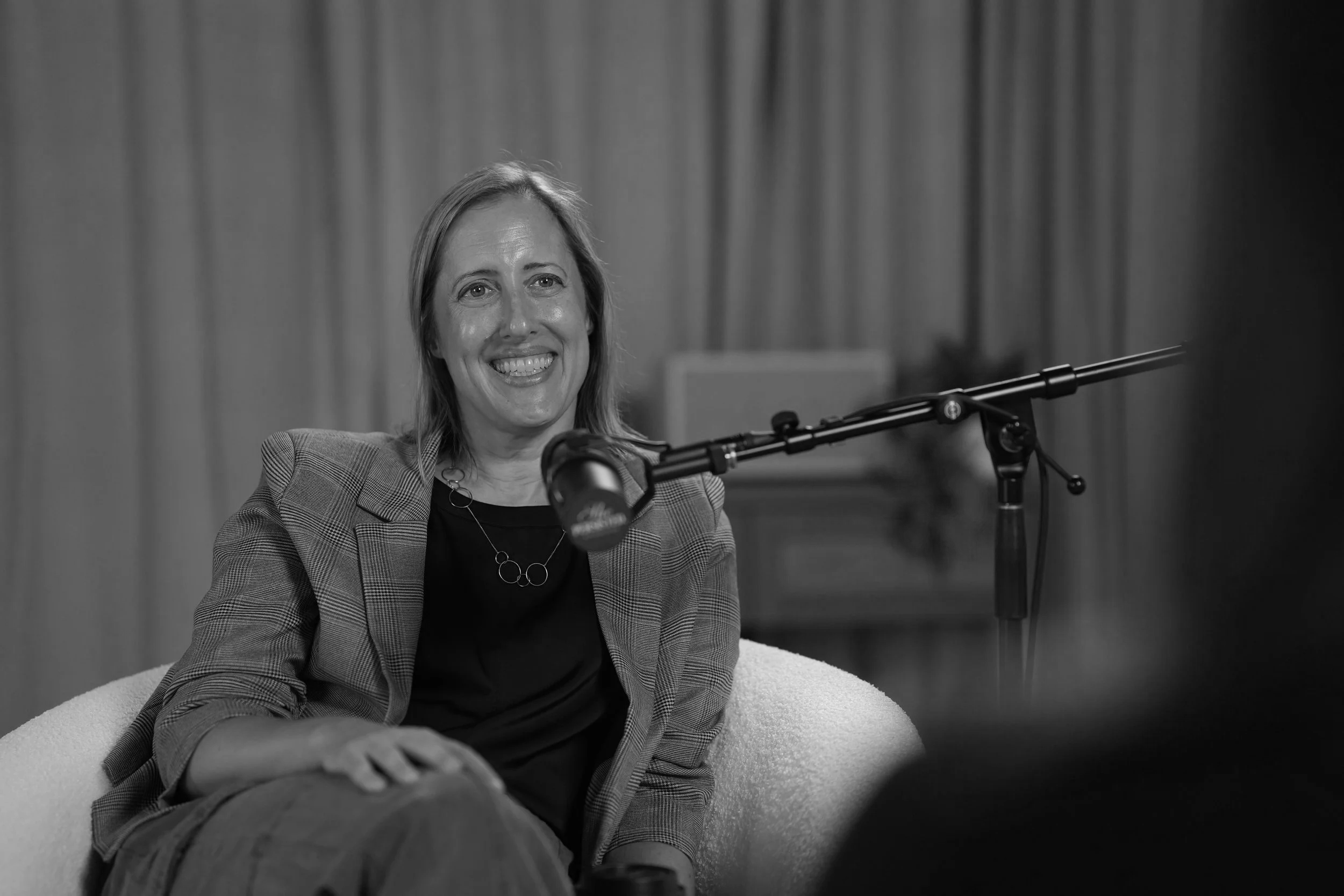


























do you want to start therapy but are worried about what your parents might think? are your parents making you try therapy but you don’t know what to expect? whether therapy is your idea or theirs, this episode breaks down why dialectical behavioral therapy (dbt) can help families navigate even the most challenging mental health issues (content warning for brief mentions of SH).
today’s guest is dr. jill rathus— a world-renowned authority on dbt. she co-developed dialectical behavior therapy for adolescents and families alongside dr. alec miller and dr. marsha linehan and is the co-author of several of the leading texts on this subject, including the widely used dbt skills manual for adolescents.
in this episode, dr. rathus shares her expertise on a number of teen mental health topics, including how to tell if a teen is dealing with mental health issues and what steps a family can take to help.