
257. why you can be loved and still feel unlovable (feat. dr. marisa franco)
listen to this episode:
Tune in and subscribe on your favorite platform: Apple Podcasts | Spotify | YouTube | Amazon | GoodPods | Castbox | iHeart Radio | overcast | pocketcasts
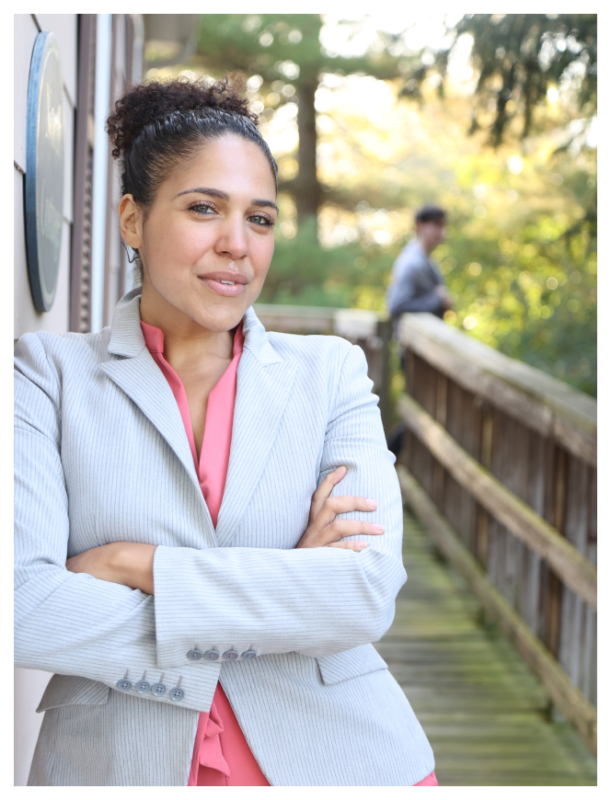
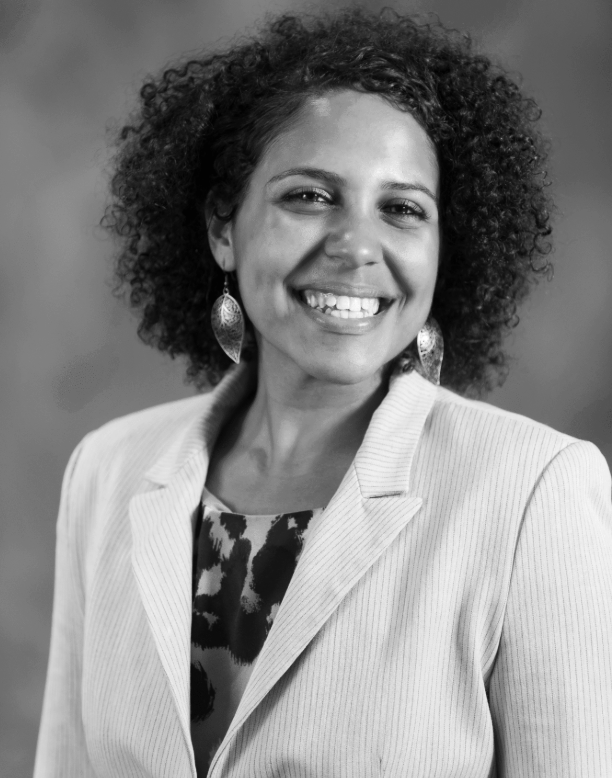
why do some people struggle to accept love?? today’s guest is dr. marisa g. franco— a psychologist, author, professor, and friendship expert. she writes about how to build relationships with yourself and others for psychology today and has been a featured connection expert for major publications like the new york times, the telegraph, and vice.
in this episode, we talk about how our self-worth impacts our ability to love ourselves— and receive love from others.
we talk about:
how self-worth and relationships are tied together
how you can be loved but not feel loved
how memories become the database of your self-worth
external vs. internal validation
how to rewrite the memories that shaped you
supporting someone who can't accept your love
low self-worth and feeling misunderstood
how i found 1% of hope in recovery
what we get wrong about attachment styles
the one thing to take away from this episode
mentioned:
About She Persisted
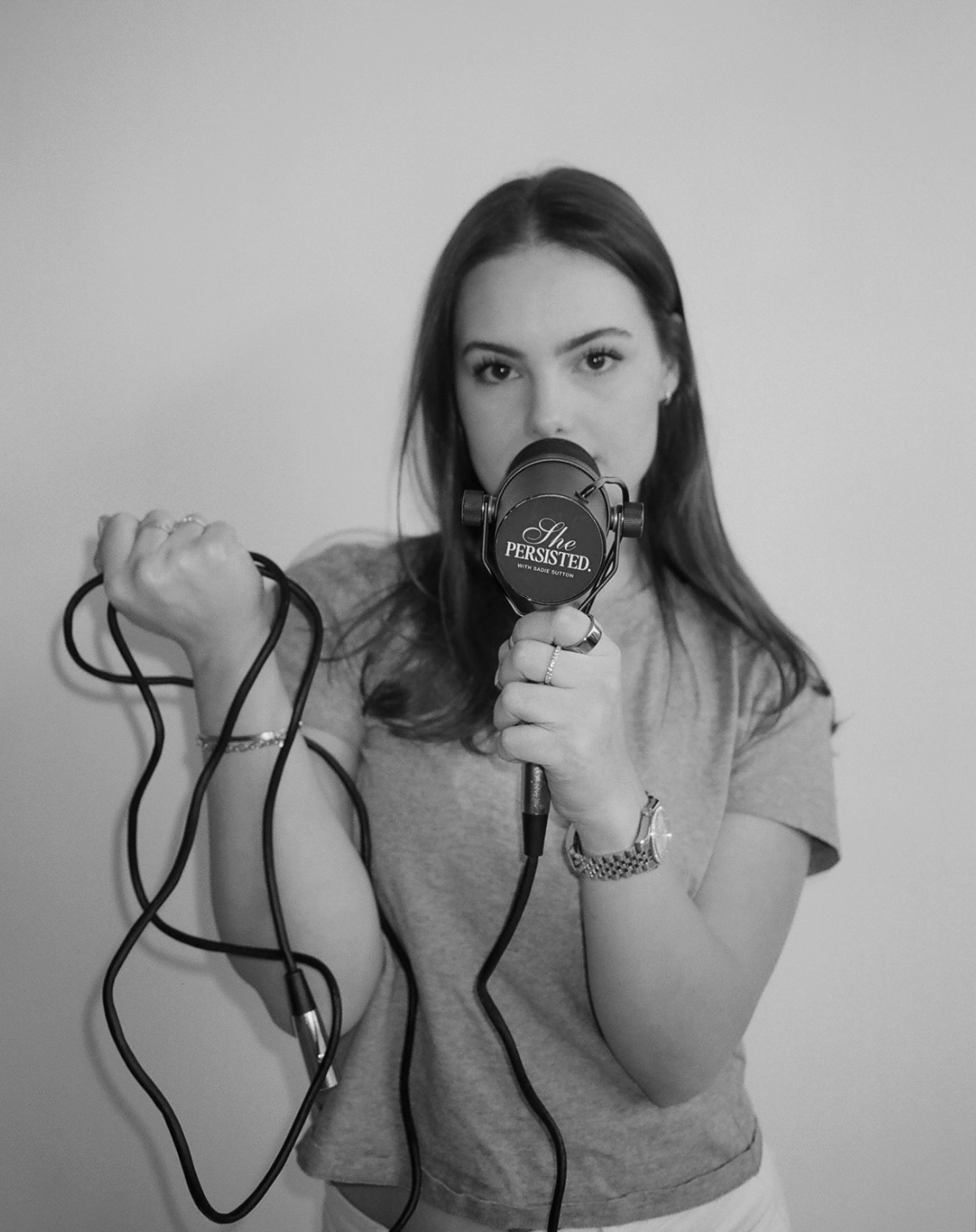
She Persisted is THE Gen Z mental health podcast. In each episode, Sadie brings you authentic, accessible, relatable conversations about every aspect of mental wellness. Expect evidence-based, Gen Z-approved resources, coping skills (lots of DBT), insights, and education in each piece of content you consume. She Persisted offers you a safe space to feel validated and understood in your struggle while encouraging you to take ownership of your journey and build your life worth living.
a note: this is an automated transcription so please ignore any accidental misspellings!
dr. franco: We can only heal what we acknowledge. It's not that people with low self-esteem don't wanna be loved, it's just that they feel misunderstood, and we need to feel understood to feel loved. There's this anxiety that can really eclipse any positive feelings when people are seeing you too highly beyond what you see yourself.
How can we learn to feel more worthy?
sadie: Hello, hello, and welcome back to She Persisted. We took a little mini break, mini hiatus, but we are back With a whole bunch of amazing content on the horizon, and this episode, it's just the beginning.
Have you ever felt like no matter how much people cared about you, it never actually changed how you felt about yourself?
Like you could list all the people who loved you, who showed up for you, who reassured you, and somehow it still felt impossible to really truly believe that you're deserving of that love
If so, this episode is going to explain exactly why. Today, we are joined once again by psychologist Dr. Marissa Franco, one of my favorite all-time guests on the podcast, she is a New York Times bestselling author, psychologist
Professor and friendship expert.
and we are talking about one of the most misunderstood aspects of mental health: self-worth
We talk about why people with low self-worth struggle to receive love, why compliments can feel threatening How our past experiences can shape our relationships today And most importantly, what the research says on changing those deeply held beliefs.
Whether you've struggled with depression, anxiety, or low self-esteem, or you're trying to understand someone you love,
This conversation will leave you feeling more understood and better equipped with practical tools to break out of those old patterns. So let's dive in
Sadie: I'm so glad we're getting to do this part two. I think one of my most referenced episodes is our conversation where we talked about loneliness because there's this, like, counterintuitive catch-22 of when we feel lonely, even if we put ourselves out there, even if we show up in relationships, it's less enjoyable.
It's less reinforcing. It can still feel isolating even when that's the best thing that you can do for yourself,
Dr. Franco: mm. I'm so glad it was so helpful and it resonated so much.
Sadie: Yeah. It's awesome.
Sadie: I am excited to talk about your new book that's coming out. Yeah. And kind of build on the last conversation we had, where we talked a lot about the role that relationships have in our life, and why so many people struggle with loneliness, and how loneliness can have such a big impact on our mental health, but it can be so hard to overcome.
Dr. Franco: Totally. And why some people might experience alone time as loneliness, and other people might not.
Sadie: Yeah.
Dr. Franco: Yeah.
Sadie: Yeah. And I think you are spotlighting a really important piece of this puzzle that I think is very top of mind for a lot of people, that it's not just who's in your life and how you feel about them, but also how you feel about yourself.
Dr. Franco: Exactly.
Sadie: And I'm really excited to talk about how our relationships can impact how we view ourselves. Mm-hmm. How our self-view can impact our relationships, what we can change there to be- Yeah ... the best version of ourselves and show up as our best selves in relationships.
If we can give people some context on why it's so important to think about self-worth when it comes to relationships, can you kind of walk us through how these two things fit together? I think- Yeah ... most people have, like, an idea of how attachment styles work, or they've heard of them before.
We understand that, like, we don't all show up the same in relationships. But I think it's less concrete how important our self-worth is in every relationship that we have, and then also, how we can experience these interactions so differently depending on what our self-worth looks like.
Dr. Franco: Yeah. So since researching worthiness, self-worth, I've realized that unworthiness is really an inability to process love.
Mm. And so I'll break that down. Like, if you don't feel good about yourself, that's almost like what researchers call a theory of the self, and it's the theory is that people will reject you and harm will come to you if you have low self-worth. And if you feel good about yourself, it's that good things will happen and people will accept you.
And when things happen that are counter to that narrative, you'd think that maybe the narrative would change, but that's not the case. In fact, it can feel quite threatening. For people with low self-esteem, for example, when people compliment them, they report denying the compliments. It feels like an identity crisis.
"You don't actually know or understand me." The more positively a spouse sees them, the less committed they are to that spouse. Even the more positive events happen to them, the more likely they are to be sick months later because it disrupts their sense of predictability, of control. It's sort of like, "Oh, you're trying to lull me into feeling better about myself when ultimately I'm gonna be rejected."
And so it feels quite threatening. And then if, if you understand that, if you understand worth as a theory of self, that harm will come, you understand why it's adaptive to stay insecure rather than to receive that love and let it elevate your sense of self if part of you is assuming that harm is gonna come again.
And so that is where people that feel unworthy, if people love them too much, they start to get uncomfortable, threatened, feel like, "I'm gonna let you down at the end of the day." And so you might find yourself pulling away from people that see you too positively, not being able to feel loved despi- how many people love you, struggling to feel authentic in your connections.
And so even if you have connections, you won't feel connected.
Sadie: Can you explain that for people who either, are familiar with the concept, but they're still like, logically it doesn't make sense that you could be loved but not feel loved?
Dr. Franco: Yeah.
Sadie: Or for, like, parents, friends, family members who are like, "I have that person in my life.
I am trying to support them. I'm there for them. I love them so much, and they just don't see themselves the way that I do." It feels like there's such a disconnect there between the external experience and either, the logical or the external.
Dr. Franco: Totally.
Sadie: How do people get to that point? What is that like?
Dr. Franco: Yeah, so we see in the research, for example, that, when people estimate how much a spouse loves them- What really predicts that is their own self-esteem, more so than how much the spouse actually loves them. It's more connected to how they see themselves.
Sadie: Yeah.
Dr. Franco: And so it's a reminder for us to all have humility when we think people don't like us, are out to get us, don't love us enough, right?
That that's not necessarily true, and often those assumptions really come from how we feel about ourselves. And where do, where's the root of those assumptions? Well, in worth, it took me a year to figure this out. I'm just like, "Oh my gosh, this doesn't make any sense. Why would you push away all the things- Yeah
that you need to feel better?" But this is when I came across a researcher who said, "Memories are the database of self-esteem."
Sadie: Mm-hmm.
Dr. Franco: And so if you have memories of harm, neglect, abuse, rejection, those memories don't just record the past, but they predict the future.
Sadie: Hmm.
Dr. Franco: And so those memories are constantly telling you that harm is gonna happen again.
It's a form of learning that harm is gonna happen again, this harm is gonna happen again. And that is why it can be so hard, because we on the outside can be like, "Why don't you see, like, all the ways that I love you? Oh my gosh." And those memories are much more powerful than what is happening in the moment.
Sadie: Yeah. I very vividly remember that exact experience when I was struggling with depression, which for me was, like, very synonymous with very low self-worth. And I'm a very logical person. It was very hard for me to be like, there's not a reason that I'm depressed. Like, I didn't go through a big change in my life.
There wasn't a huge loss. Like, I am a middle schooler who's had a pretty great childhood so far. Why am I struggling in such a big way for seemingly no reason? And it took many a therapy session to figure out that it was that core belief that I didn't feel like I deserved to love. Like, not even just that it wasn't being felt or that I wasn't accepting it, but it was like it wasn't something that I was worthy of.
Hmm. And like you're saying, it's not just what you've experienced in the past, but I remember the way that I would view the world, and the way that I viewed my interactions, and kind of the narrative I would attach to anything I went through just reinforced that.
Yeah. Like, if something bad happened, it was because I'm not worthy of it going well.
Yeah. If I didn't cope with something well, that's just another reason-
that I'm not deserving of that love or support. And then when you do need help, when you do need support, when asking for help is the best thing that you can do- the internal narrative is that it's just gonna reinforce that unworthiness.
Yeah. Like, it's just gonna add to that stack of evidence. And it's a really, really, really hard place to dig yourself out of because- Totally ... even if the external is completely different from this narrative you've built, it almost doesn't matter at that point.
Dr. Franco: No, it's like, it's like you're trapped.
Sadie: Yeah.
Dr. Franco: It's like you're trapped in your own sense of reality.
Sadie: Mm-hmm.
Dr. Franco: And getting out of it, like I said, just feels threatening 'cause- Yeah ... it's not, it's not believable, right? Yeah. And so you're just trying to trick me.
Sadie: Yeah, yeah.
Dr. Franco: When I know the truth deep down.
Sadie: Yeah. I think it's really interesting, like, the CBT depression treatment approach with worth and people that kind of have, the more external ways of viewing themself, whether it's, like, grades or, words of affirmation versus, the, like, internal do I feel seen?
Do I feel supported? Am I letting myself experience those things? can you offer any insight into how people kind of end up in those buckets or find themselves leaning more towards, like, I'm really striving for these external ways- Mm-hmm
to show myself I'm worthy. Mm-hmm. Or no, it's, it's much more internal and it feels like there's not that innate deserving-ness-
Dr. Franco: Mm ...
Sadie: as, as a person.
Dr. Franco: Mm-hmm. Well, I think what you're referring to is, related to the research on, like, contingent self-worth. Hmm. And that is when you feel like you're worthy if. Hmm. You're worthy if you achieve, maybe you're worthy if you get that relationship, you're worthy if you go to this school, you're worthy if you get this job.
And then I guess the corollary is, if not, you are unworthy.
Sadie: Yeah.
Dr. Franco: And I think what I am going for in worth is much more of a You already are worthy. Self-worth is different from worth. Like, I think everyone is worthy, but the self piece is that we don't always feel that way. And how can we learn to feel more worthy?
And so I go into the book on the science of something called memory reconsolidation to work on internal core beliefs, memories that may be haunting your own sense of worth. And memory reconsolidation is really this idea that because memories aren't just made to record the past but predict the future, you can update the emotional tone of a memory when you revisit this.
So people that have done, like, inner child work, this really looks like you going back to a negative memory and telling yourself at the time exactly what you needed to hear. Perhaps, you know, "These people's reaction to you doesn't mean anything about you. You have always been special. You are so loved. I am here.
I can support you," and vividly really envisioning that. And when people do this simple activity, it's transformative. Their self-esteem not only increases, but we see changes at the neural level in their hippocampus, the part of their brain that records memories. And so, there's ways that we can change the past, in the book, I share a number of research-backed exercises for how we can change our internal relationship with ourselves
Sadie: I'm curious what your recommendations are as far as approaching, reconstructing or, attaching a new narrative to these experiences. Do you take the exposure therapy approach of like start small, start with something that just happened, and work your way up to maybe like a childhood experience that was really formative?
Dr. Franco: Yeah.
Sadie: Or do you just start where things feel really raw and uncomfortable and sit with that like very foundational belief?
Dr. Franco: Yeah. That's a great question. I can tell you're, you're in the mental health field by these questions. So I would say that when it comes to reconsolidating your memories, you need to experience duality.
Sadie: Mm.
Dr. Franco: Duality in that you need to be able to acknowledge the part of yourself that's still in pain from that memory, but also there has to be a part of you that's still grounded and still rooted so that that part can offer care to the part that's in pain.
Sadie: Mm.
Dr. Franco: And so if you don't feel like you're experiencing duality, if you feel like I just, that memory, all I feel is darkness, it's too overpowering-
Sadie: Mm-hmm
Dr. Franco: Then that might not be the memory to start at. You really have to ha- or maybe you do it with your therapist, and they can be that rooted sense of duality for you. So I would say like, memories that don't make you wanna completely shut down. Yeah. Maybe they're uncomfortable, but they're not completely overwhelming, would be good to work on with yourself using the different exercises I share in the book.
But if it's something that it's completely overwhelming, I dread this, I feel like I'm gonna shut down even thinking of it, then it might be good to go through the activities with your therapist.
Sadie: Yeah. You mentioned the example with spouses, how so much of, how you view the relationship is internal- Yeah
even if the, the external can vary greatly. And we also talked about how our worth, our self-worth specifically, does come from these, like, more external experiences or our memories- from relationships that we have worked through. For people who hear that and they're like, "Okay, so it's the external experiences, but it's also just internally how it's being viewed-"
Yeah
how do you balance and explain those two pieces here of like, yes, it is very internal, but also these external relationships are what can kind of help mold and shape our, our self-worth?
Dr. Franco: Yeah. Well, I would say the internal is the filter through which we internalize the external, right? And so if you have low self-worth, it's like you're plugging the drain.
Mm. And even if you're, they're trying to put water into... Trying to offer you some water, right, it's just so plugged. And that's, you know, there's some of us that are in between. Maybe it's a smaller plug. We can get some of the water in. Yeah. Right? But what I realized from writing Worth is that, like, I used to have friends that would really reject compliments.
Sadie: Mm.
Dr. Franco: And I would try to tell them, "Hey, you need to accept my compliment." But now I realize how threatening it is for people to feel loved-
Sadie: Mm.
Dr. Franco: again, because it, it feels like a trick to some people. So I think externally what we can do for the people in our lives who aren't able to receive our love is just start with validation.
Yeah. "Okay. It's okay that you feel that way. It doesn't sound like that resonates with you. What would be more supportive? I understand where you're coming from." Right? , And that, that has helped me be a better friend to people because I, I understand how it can feel like an identity crisis when you're seeing someone so...
I'm just like, I'm, like, trying to love you, but you're feeling the identity crisis of, "Oh my God, there's so much pressure for me to live up to this." So it's, it's a lot more, I think building your worth is a lot more of meeting your insecurities, meeting yourself where you're at, rather than trying to force yourself or pull yourself into something different 'cause we can only start with the truth.
Sadie: Yeah.
Dr. Franco: We can only heal what we acknowledge. And so if you're insecure, you're anxious, you're avoidant, whatever it is, like, that's okay. We need to know where ground zero is because then we can offer help that's specifically curated for the insecurities that we have- Mm-hmm... and that don't overwhelm and, and trigger that defensive system.
Sadie: Yeah. You mentioned understanding like what the truth is, and then building on top of that
Dr. Franco: Yeah...
Sadie: lived experience, and I think this is why it can be so challenging when people are operating with completely different definitions of worth.
Dr. Franco: Yes.
Sadie: And I think you mentioned that earlier, like worth and self-worth are very different.
Yeah. And we see that all the time in relationships, and I think this is something really hard for others to grasp because you're operating with completely different definitions-
Dr. Franco: Totally...
Sadie: lived experiences, even just the objective truth. You're like, "That's not what happened." Yeah. Like, "What's going on here?"
You mentioned the compliment piece. that's something I hear a lot from parents of teens who are struggling- Mm ... or young adults who are going through mental health challenges, is they just see such a different version of this person-
Dr. Franco: Yeah...
Sadie: that they love so much and care for- Yeah ... so much, and just don't understand how this self-worth has come to be.
Dr. Franco: Yeah.
Sadie: What does that look like? What does it feel like? Can you kind of explain that, for people who haven't been in that position?
Dr. Franco: Yeah. Well, let's say you never played football before. Mm-hmm. But all of a sudden, someone came up to you and was like, "You're a star. I can't wait to see you at the next game. Like, you're gonna rock. You're gonna be amazing." And instead of being like, "Wow, like, I rock. I'm a great football player," you'd probably be like, "Oh, my God.
I'm gonna get out to the field," and they're gonna be like, "What the heck is that? I thought you were good at football," right? And so that's really what it's like specific to worth. People are seeing you so positively, think you're amazing, think you're gonna do so well, and you know internally that that's not you.
You know it at the core of your being that that's not you. And so it's really this anxiety. That's what we see. Like, research finds that after, people with low self-esteem receive positive feedback, their blood pressure rises. They report being more anxious than if they receive neutral feedback.
They report having more negative thoughts about themselves after a success than people with higher self-esteem. it's not that, you know, people with low self-esteem don't wanna be loved. It's just that they feel misunderstood, and we need to feel understood to feel loved.
And so, and that anxiety really comes into play where you're sort of like, "It's just a matter of time till they figure out who I really am." And so yeah, it's not that...
Even if someone may be trying to offer this to you to elevate your sense of self, to make you feel good about yourself, if it's too foreign to you, then it, it really comes off as threatening. And that, you know, there's research, for example, when people say, like, affirmations, like, "I love you," if their self-esteem is too low, that actually makes them feel worse.
It reminds them just how poorly they see themselves. So it's not that, like, we can't love on our friends with low self-esteem. We just have to do it in a way that's accessible to them.
Sadie: Mm-hmm.
Dr. Franco: And so sometimes that might look like you did this thing really well, rather than you are amazing as a person, right?
Something that can feel a little bit more, accessible. Like I say, when I wrote Platonic, to make friends try to assume people will like you. Some of my students, that's too much. They have to say, "People could like me." Mm. That feels more accessible. And so it's about, like, not gaslighting yourself. And that really depends on the person, right? And so just knowing who you are and what you can actually internalize to improve your sense of self-worth.
Sadie: Yeah. No, I remember that exact experience as well in the early treatment days when the idea of, like, having any amount of hope that I could get better would- just felt so inaccessible.
Yeah.
Like, whatever anyone would say, "You'll get through this. It's possible. it was like, "No, you don't understand."
Like, for you to say that, you have no capacity to empathize with how much pain I'm in or how hopeless I feel.
Dr. Franco: Yeah.
Sadie: And it was invalidating. It was, like, hurtful.
Yeah. It was like, "No, you don't get it."
Dr. Franco: Invalidating is a good word.
Sadie: And the way that I finally, like, was able to feel like I had, a vested interest in my recovery and be an active participant instead of just going through the motions, because it was painful to, want something better for myself because my self-worth was so low, was telling myself, "Okay."
I'm not gonna say things will get better. I'm not gonna say that I'm gonna feel amazing. Like, the amount of willingness and hopefulness that I was able to cultivate at that point was, like, maybe 50 years from now I'll be 1% better than I am today.
Hmm.
And, like, that was it, but that was technically better than where I was at, an eighth-grader who was hospitalized four times for severe depression and was taking a medical leave of absence to, to live in a mental hospital across the country.
to just think with that approach of, "Okay, maybe so far from now it could just be slightly different than it was today," was really different from how I was thinking, which was that things are only gonna get worse. Mm. I don't plan to stick around for this. Yeah. I have no evidence to suggest that this will get better.
But the 50 years later, 1% maybe improvement felt accessible.
Dr. Franco: That's awesome.
Sadie: And so it was understandable and validating, and, like, that emotional engagement was actually possible instead of just feeling like, "This is so far from what I'm experiencing." Yeah. "I cannot remotely buy into what you're selling."
Dr. Franco: I love that.
I just feel like there's so much self-attunement in that, like really admitting where you are-
Sadie: Yeah...
Dr. Franco: and what you uniquely need.
Sadie: Yeah.
Dr. Franco: It kinda reminds me of someone I interviewed for the book. So I talk ab- I critique attachment theory in the book. Funny 'cause my first book is about secure attachment.
But I've kind of, like, seen how attachment styles have been used in a hierarchical way, where secure attachment is the best style, and there's this pressure for everybody to say, "I'm secure, I'm secure, I'm secure." Yeah. It's on dating apps. It's on, you know, think pieces. Which is
Sadie: crazy.
Dr. Franco: yeah.
And so what I see is that, like, we begin to enact the same harm on our insecurities that someone did on us to make us insecure in the first place. We deny they exist. We neglect them. We feel ashamed of ourselves if we feel insecure or imperfect. And so in the book I say we, we shouldn't try to be feel secure, but secure-ish, so there's always space to say, "Part of me is insecure, and I can only heal from what I acknowledge, so I can, I can acknowledge that."
And so this woman that I interviewed, and I was telling her about the concepts of the book, and she said she was really invested in being secure, and when her girlfriend would leave at night, all of these fears of abandonment would overtake her because her mom left her with a, a very abusive aunt when she was a kid, and her...
She and her mom would leave a cup on the table, and she would like nurse the cup really close to her. Like, very tragic. And when her girlfriend left, she would re-experience the same anxiety, the same, like, shakes, the same intense emotions. And when she thought she had to be secure, she would just smoke weed to numb out on that, 'cause it was like, "I shouldn't be feeling these.
I'm a secure person." And healing was actually when she started to say, "I am anxious. I do fear that abandonment. Let me feel that. Let me feel those fears. Let me acknowledge them. Let me actually settle into them. Let me offer myself the care I need. Let me remind myself I'm gonna be okay, I'm gonna be okay, I'm gonna be okay."
And that was how she, she was actually becoming more secure, right? And it didn't move so fast, and it wasn't something she could force herself into, but it came from living in the truth and living in the reality, and then curating the healing or the coping to where that reality actually exists.
Sadie: Yeah.
I'm curious if there are other approaches similar to framing it as, like, secure-ish or-
Dr. Franco: Hmm ...
Sadie: it's going to be okay. Mm-hmm. These kind of less, like, aggressive zero to 100 ways of like- Your way is so aggressive. Yeah, like- ... high-five in the mirror every day. Yeah. Like, stare at yourself for 15 minutes and make eye contact.
Like-
Dr. Franco: Yeah ...
Sadie: that's hard.
Dr. Franco: It's really hard. You know, I really think just,, when you're in pain and, like, what feels most meaningful is just someone bearing witness often- Mm-hmm ... and saying, "How you feel's okay. I'm here. Tell me more." Right? That we can do this for ourselves,
and so when we're in pain, like, we need to give ourselves more attention, and just exploring, just being curious about, not even having to change it, like, that is the foundation. That's the foundation of the healing.
Sadie: When you said that, pain can be a sign that we need attention or that it's worth sitting with that experience-
Dr. Franco: Yeah
Sadie: I immediately go to when people are like, "It's just for attention. Don't reinforce it," or even doing that to ourselves. Like, I should be not upset about this. Yeah. This should be easier. Yeah. I shouldn't be feeling this way What is your kind of advice for people who either have that kind of, like, immediate reaction towards others or towards themselves of like-
Dr. Franco: Yeah
Sadie: I'm not even gonna create space for this because this isn't, how this is supposed to go?
Dr. Franco: There's no shoulds. There's only what is. You know? Like-
Sadie: Yeah ...
Dr. Franco: you're gonna keep shoulding yourself, "I should feel different, I should feel better, I shouldn't be as angry," and what's that gonna be?
It's just gonna take that emotion and add shame to it.
Sadie: Mm.
Dr. Franco: And so, like, it kind of reminds me of a, conversation I had with a colleague where I told him about the premise of worth, and, , at that point I was thinking about calling the book I Am Worthy. And he was like, "I am worthy, like, that sounds like you're still evaluating yourself."
Mm. "It sounds like what you're trying to do is help people get beyond self-evaluation." And I was like, "Absolutely." it's not I am worthy, it is I am.
Sadie: Mm.
Dr. Franco: I am. That's it. We just need to start with I am. Who are you? Where are you? How do you feel? And honestly, that's some hard work. Like, even within myself, I notice the emotions that I feel the most shame over come up like a flicker, so quickly before another part of me is like, "Oh, no, you shouldn't be feeling that way.
That's too much. You're being too sensitive," you know? "You're being too tender about that thing." And the mindfulness of being able to catch that process so I can say, "No, it's okay that part of me feels hurt by this," even if it's quote unquote small, right? that's okay. Like, I wanna actually live in reality.
Sadie: Yeah. If people want to order your book, follow you on social media, where can they do that?
Dr. Franco: So the book's called Worth: The New Science of Self-Esteem and Secure Attachment, and it's available wherever books are sold. You can get pre-order a autographed copy at Lost City Books in DC. My Instagram is @drmarisagfranco. That's D-R-M-A-R-I-S-A-G-F-R-A-N-C-O. I share tips on relating to yourself and others on my website, drmarisagfranco.com.
You can sign up for a list of practices to improve your worth or reach out for speaking events on self-worth at work during uncertain times.
Sadie: Amazing. I'll put all that in the show notes. thank you so much for making the time.
If there is one thing you take away from this conversation, I hope it's that, your ability to receive love is not a reflection of how lovable you are. Sometimes it's a reflection of the stories you've learned to tell yourself. this episode resonated with you, send it to someone who needs to hear this message. Let them know they're not alone
you never know who might be struggling to see themselves the way that everyone else already does. And if you're enjoying She Persisted, make sure to subscribe and follow along wherever you're listening to your podcasts so that you never miss an episode. you can also follow along at @shepersistedpodcast
for more evidence-based mental health tools you can use in your everyday life. Thanks for listening, and I'll see you next week.
Sadie: If you enjoyed this episode of She Persisted, make sure to leave a review, subscribe, and share with a friend or family member. Follow along at at She Persisted podcast on TikTok, Instagram, YouTube and more for bonus content. Thanks for listening and keep persisting.
© 2026 She Persisted LLC. This podcast is copyrighted subject matter owned by She Persisted LLC and She Persisted LLC reserves all rights in and to the podcast. Any use without She Persisted LLC’s express prior written consent is prohibited.

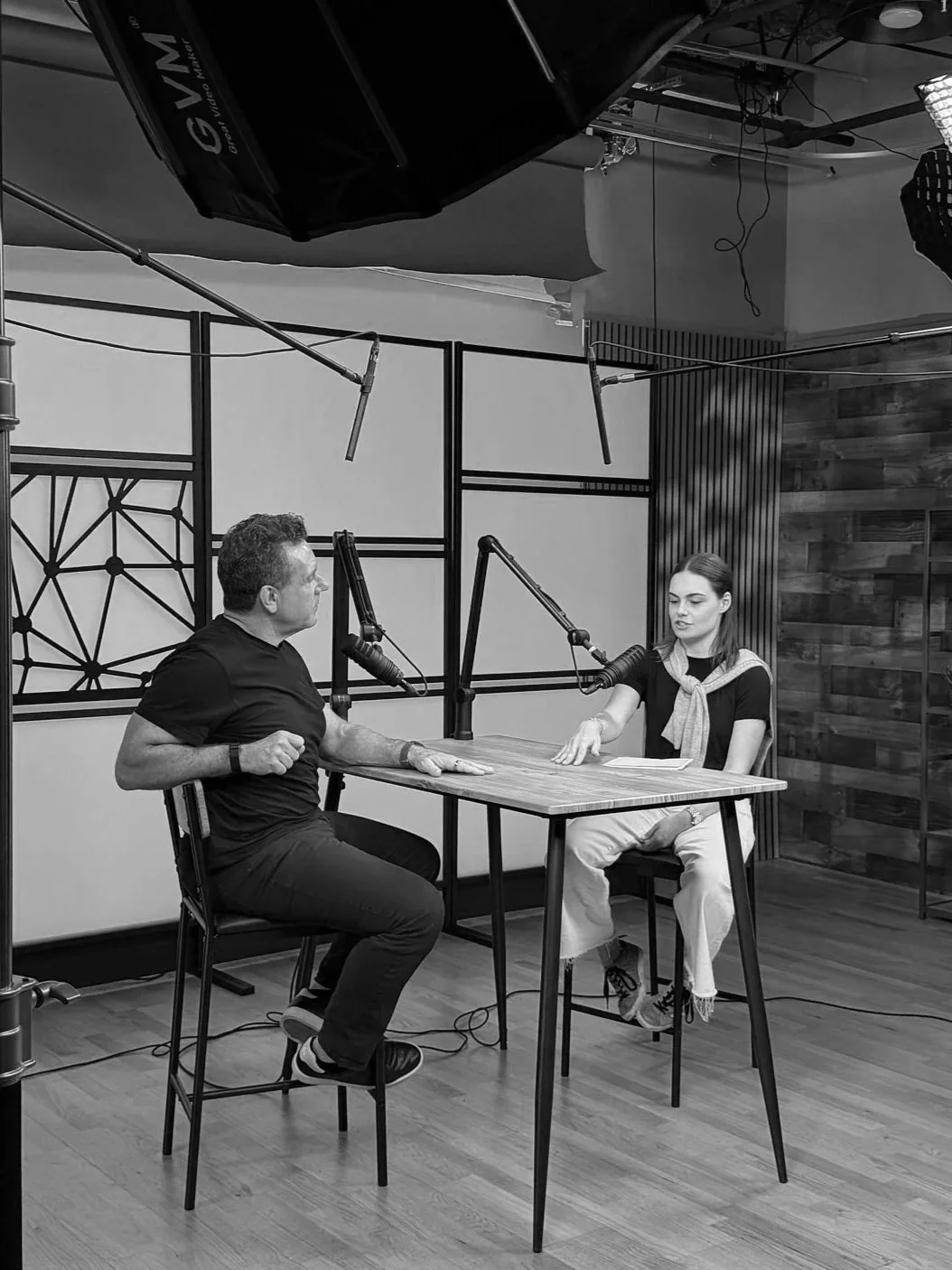
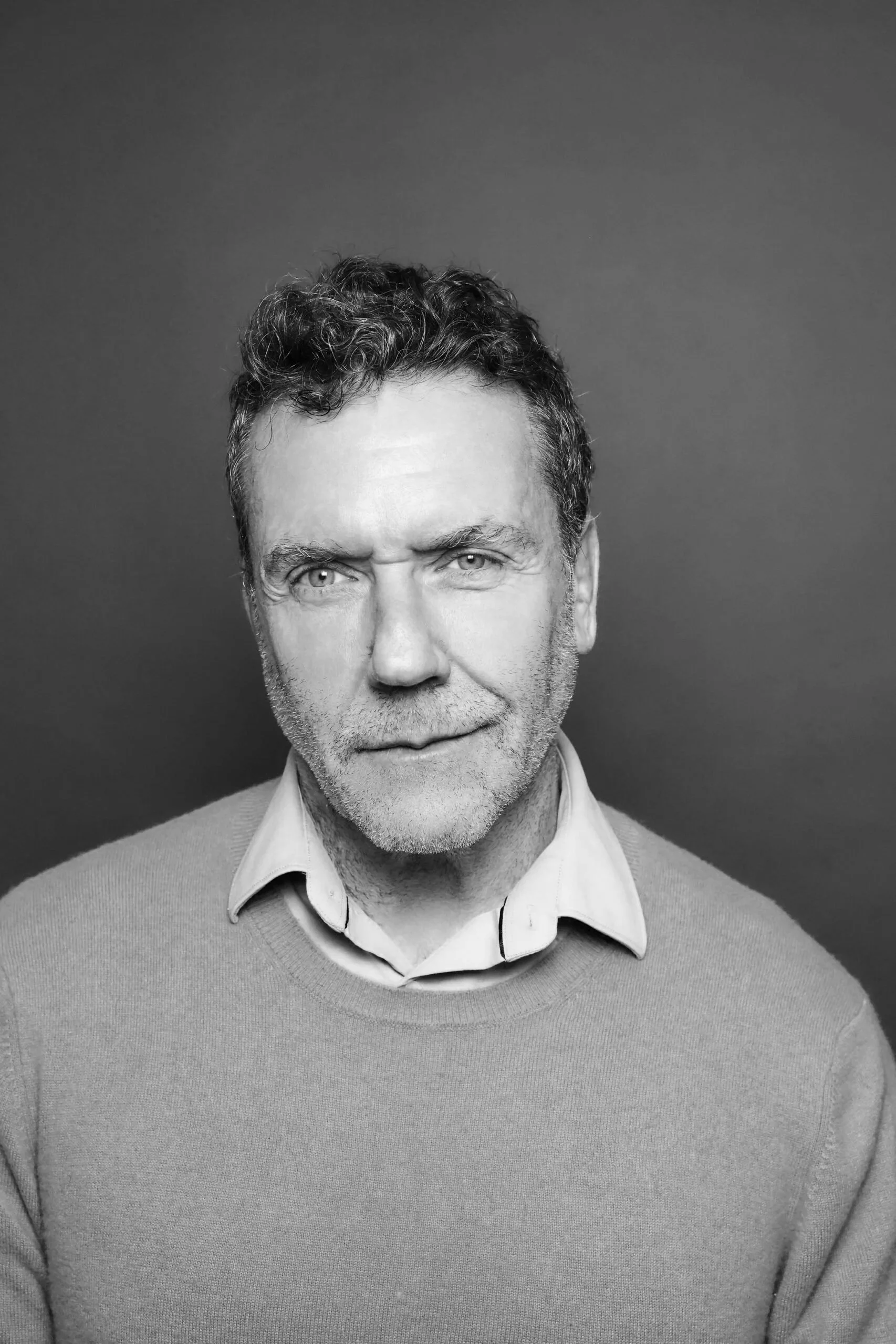















if you know what you need to do to improve your mental health, but struggle to implement these changes into your life, then this episode is for YOU. today’s guest is shireen rizvi— a licensed clinical psychologist who has conducted research and training in dialectical behavioral therapy (dbt) for over twenty-five years. in this episode, dr. rizvi and i discuss how to implement dbt skills into your daily life. whether you’ve never heard of dbt before, or you’re a dbt expert, this episode isn’t just about learning the skills— it’s about figuring out how to actually apply them in your life. because while awareness is a crucial step in mental health recovery, it’s not the only step that matters.