
260. you don’t have to be in crisis to need help (feat. hailey hardcastle)
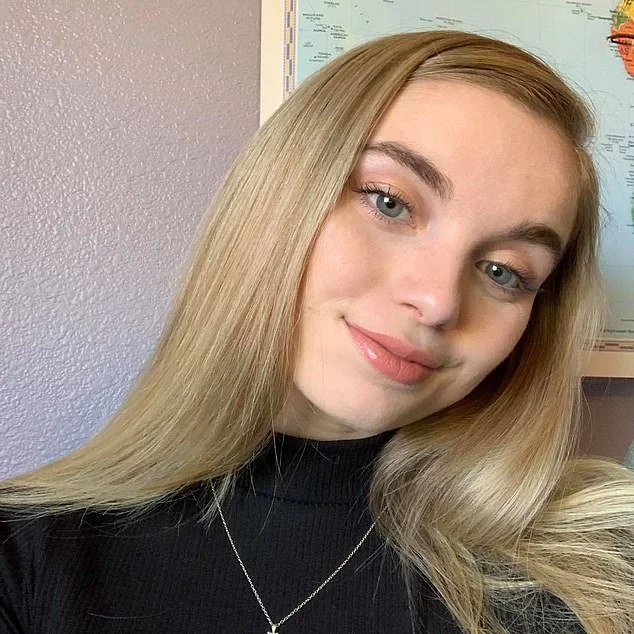
listen to this episode:
Tune in and subscribe on your favorite platform: Apple Podcasts | Spotify | YouTube | Amazon | GoodPods | Castbox | iHeart Radio | overcast | pocketcasts
if you want to learn more about how our generation can create lasting change in mental health, this episode is for you!
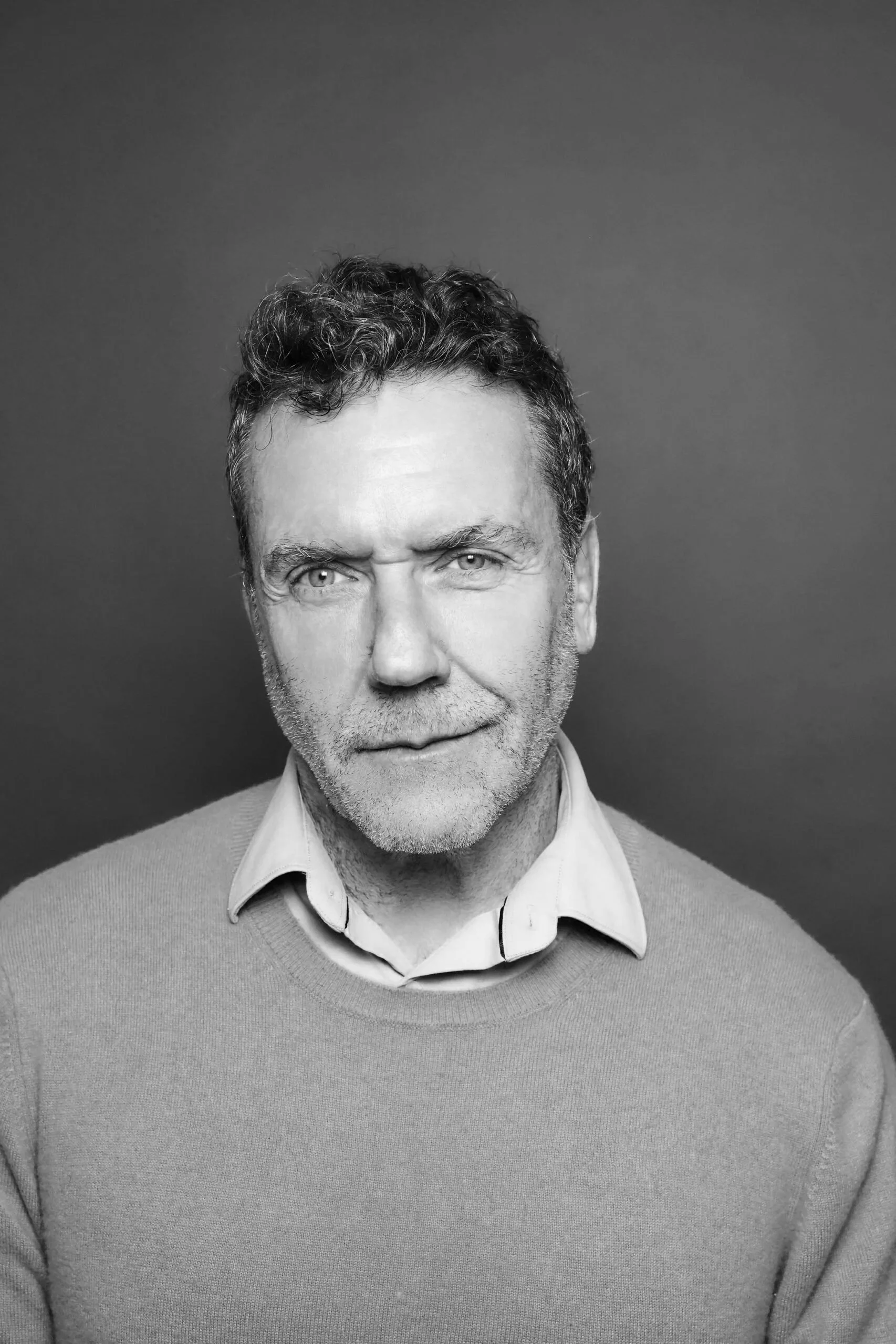
today’s guest is hailey hardcastle, a gen z mental health advocate who helped pass landmark legislation in oregon allowing students to take mental health days off from school. she was honored by teen vogue as one of the "21 under 21: young women changing the world," and her ted talk on student mental health has been viewed more than 4 million times.
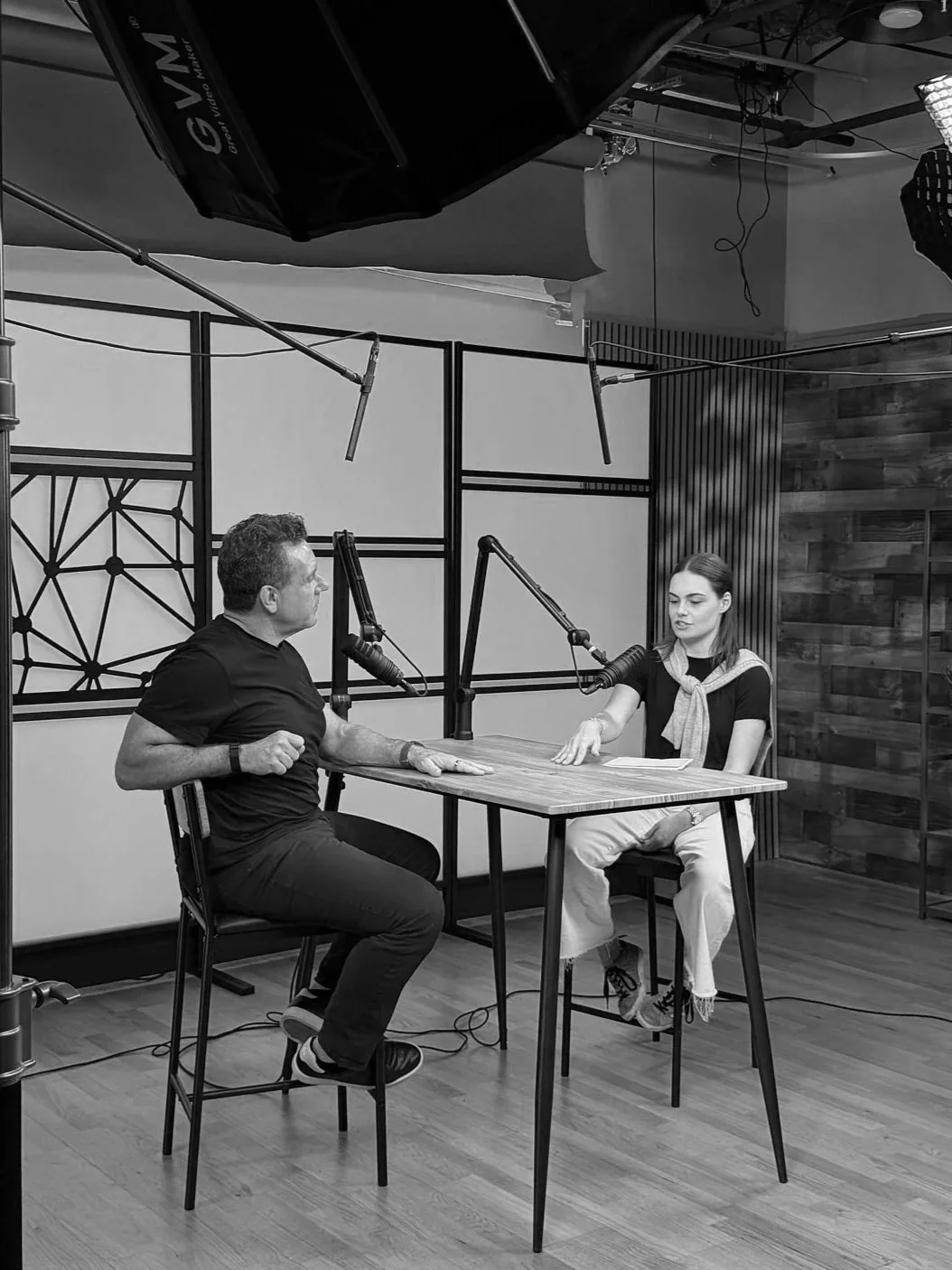
fun fact: this episode was recorded live at the active minds 2026 mental health conference—the nation’s leading mental health conference for young adults!
during this conversation, we discuss our personal mental health journeys, how hailey’s advocacy helped turn an idea into a state law, the most effective ways to advocate for gen z mental health, and so much more– including answering audience questions!
we talk about:
why hailey became a mental health advocate at a young age
how she helped passed a bill allowing student mental health days
effective ways to open up to your parents about your mental health
what stops people from asking for help with their mental health
maintaining our mental health as adults vs. as teens
the future of mental health policy + advocacy
advice for people wanting to become mental health advocates
finding local mental health advocacy opportunities
what motivates us to speak up about mental health
tips on pushing forward mental health legislation
mentioned:
About She Persisted
She Persisted is THE Gen Z mental health podcast. In each episode, Sadie brings you authentic, accessible, relatable conversations about every aspect of mental wellness. Expect evidence-based, Gen Z-approved resources, coping skills (lots of DBT), insights, and education in each piece of content you consume. She Persisted offers you a safe space to feel validated and understood in your struggle while encouraging you to take ownership of your journey and build your life worth living.
a note: this is an automated transcription so please ignore any accidental misspellings!
Sadie: Having the language to talk about these challenges is so important. We can use policy to change culture and change people's attitudes about taking mental health days, talking about mental health. It's our generation that are passing these bills and starting the conversations, shifting culture. If these conversations can just reach one person and encourage that person to get help, then it's all worth it.
Welcome to She Persisted, the Gen Z Mental Health Podcast. I'm your host, Sadie Sutton. Let's get into it.
Sometimes the biggest barrier to getting help isn't that isn't available, it's believing that you're not struggling enough to deserve it Maybe you're still going to class, showing up to work, seeing your friends, and getting everything done. From the outside, you seem fine, So you tell yourself that someone else needs the therapy appointment, the mental health day, or the extra support more than you do.
if there's one thing I learned from my mental health journey, it's that you don't have to wait till everything falls apart to ask for help. This week's episode is unpacking that, and it was recorded live at the twenty twenty six Active Minds Mental Health Conference in Washington, DC in front of an audience of young mental health advocates from across the country.
I'm joined by Hailey Hardcastle, a Gen Z mental health advocate who helped pass landmark legislation allowing students in Oregon to take mental health days from school, a policy that has since inspired change across the country. Hailey and I had very different experiences with mental health care, but we both know what it feels like for to exist and to still struggle to accept it.
In this conversation, we talk about why so many of us believe that someone else needs the help more, how changing our language can change whether people actually use mental health resources, and how to build personal rules, routines, and relationships that you before you reach crisis.
Because help is not something that you have to earn by getting worse. So let's dive into it.
Hello, you guys. Thank you so much for being here for this live podcast. I'm Sadie, the host of She Persisted. Like Allison, I went to University of Pennsylvania, and like you guys, or most of you, I was a member of my Active Minds chapter starting my freshman year of college. And it was an incredible resource that really helped smooth the transition, make me feel like I had support on my college campus, and continue this dialogue about mental health and youth mental health, and I'm really excited to continue that tonight.
We have an incredible guest, Hailey Hardcastle, a Gen Z mental health advocate and one of the leading voices on making sure we have resources for youth in school settings. So thank you for joining me.
Hailey: Thank you, Sadie. So happy to be here.
Sadie: I can't wait to dive into all the work that you've done, can you take us back to your experiences that began your mental health advocacy journey? You've been really involved in getting policies passed and legislation that supports Gen Z mental health. So take us back to you as a student struggling with your mental health and how you got to where you are today.
Hailey: Absolutely. Well, I have to take you all the way back. So my mental health journey began when I was just six years old. I was a little girl facing what's called adverse childhood experiences, or ACEs. You may have heard of these. I was facing a few challenges at home that at the time I didn't know that other kids were facing too.
I have a single mom and three younger sisters and, you know, I always had everything I needed growing up, but my mom worked really hard to get those things, and I had a lot of financial barriers. I was facing some abuse and unsafe situations, and so I was carrying a lot of weight as a little girl, a weight that I didn't know that other people were carrying. I felt really alone in these challenges. , And of course, I started exhibiting mental health symptoms because of all of the things that I was facing. , School became my safe space. This is where I accessed mental health services for the first time.
My counselor noticed that something was wrong. I was acting out because I was carrying a lot, and they got me the support that I needed. However, it was really tough some days. Some days I, like, couldn't even make it to school because I was having panic attacks. I didn't know why I felt like this. I was just a kid, right?
luckily, my mom and I came up with this system where she would let me take a mental health day off of school if I could communicate that I needed a mental health day. We would talk through it, I would stay home, and oftentimes I was feeling okay enough to go back the next day. This also flagged for her that I needed to talk to the counselor or get some support.
So that's how my mental health journey began, but my mental health advocacy journey began in high school. I was a student leader and super involved in all of the clubs, all of the sports. , You know, as a student facing financial barriers and as a first-generation college student, I was pushing myself to be involved in everything, to get those scholarships, to get into the right colleges, and I started experiencing some burnout.
I was way too involved, and this manifested as depression, anxiety, severe panic attacks when I was at school because I was over-committing myself trying to make my way in the world. As a student leader, I began to notice that my peers were facing these mental health challenges too. It was the first time that I realized I wasn't alone in the things that I was going through.
All these other high school students had their own struggles during their upbringing. They were facing similar challenges in their classes. And luckily, the adults in my life were turning to us student leaders to see what we should do about the mental health crisis. During my junior year of high school, a few students in my community had died by suicide, and the adults came straight to us as the student government and wanted our input on what should happen.
So what we did next, I'm so proud of. We sat together as a group of peers, literally at summer camp in a classroom, and talked about what we would do if there were no financial barriers, if all the adults said yes. If there was no worry in the world, how would we solve the youth mental health crisis? We came up with so many solutions, but the one that we went with was House Bill 2191, allowing students to take mental health days off of K-12 classes, inspired by the rule that me and my mom had when I was growing up.
so we started advocating for that in the state of Oregon, where I'm from, and we officially passed House Bill 2191 in 2019. Now, this is a law in 13 states across the country, and I can get more into this bill later. I am a total policy nerd and will tell you all about it. But I get to spend some of my time talking about youth mental health advocacy all across the country. I've given a TEDx talk on the subject now that has reached four million viewers all about, my journey as a mental health advocate.
So I'm excited to share more with you today
Sadie: What I think's so interesting about the bill specifically is how there's a lot of guardrails in place so that when people are struggling, they don't fall under the radar. and even though it's kind of counterintuitive that you are taking time away from school, in fact, there's more visibility and more awareness when someone takes a mental health day based on this legislation.
Can you talk to us a little bit about that?
Hailey: Yes. I'm so glad that you asked this because the most common pushback that we get about House Bill 2191 is that students are going to use it to skip school or they they're just going home, and that's gonna make the mental health crisis worse, right?
But the reality is, students are already taking mental health days. They have been for as long as students have been in school. They just weren't calling it that. And so now we have this law that allows them to start that conversation with their parents and their teachers and calling it what it is. It's a mental health day.
In some school districts, I've heard that they have tailored it so that way they mark it down as a mental health day, and they keep track of how many. And after a student reaches a certain amount, they are referred to the school counselor, so that way they can receive additional support. So I think this is actually catching students before a crisis gets worse.
Sadie: I completely agree, and I think one of the most important things to remember about this work is that a lot of these things have already existed, whether or not we're talking about them. So like you said, people were taking mental health days. Maybe they just weren't labeled as that in the attendance book.
And so having this open conversation, normalizing taking them between peers, but also from a school administration perspective, having that transparency and vulnerability with parents is incredibly important. And I love how you have talked about how having this policy with your mom that you could take mental health days opened that line of communication between you guys.
Mm-hmm. Can you talk to me about what that looks like? Because I know at many points during my mental health journey when I wasn't going to school, the most effective conversations were not taking place. I, at one point, was sleeping on my parents' floor for six months because I wasn't physically safe enough to sleep in my own room.
Mm-hmm. And I slept on, like, a trundle mattress right next to their bed. They'd wake up to start the day, and I would be laying, like, comatose, depressed, not going to school, not happening. Mm-hmm. My dad would play orchestra music as loud as the speaker would go. And it didn't work, surprisingly. Yeah. I didn't end up at school.
That mental health day was taken, whether or not that's what it looked like from a policy perspective. Mm-hmm. And your experience was very different. It allowed a very open, vulnerable, transparent conversation because you had that language to explain that you needed this resource, you needed this support.
Can you talk to me about what that looked like between you and your mom?
Hailey: Yeah, absolutely. Thank you for sharing your experience with your parents, because I think that's so key. Like, we all come from different families and different backgrounds, and our parents come with a different context of mental health, and so those conversations might look so different.
I'm so lucky that my mom was willing and able to talk about mental health from a really young age, but truthfully, she did not have all of the context she needed. We both made mistakes along the way, when I was trying to explain to her how I was feeling, and she was trying to offer me the resources, but not the ones I needed at first.
And it's organizations like Active Minds and several other nonprofits out there that offer resources for families to have these conversations. And so my mom was out there googling what to do, as I'm sure many parents are, and that's how we got through it together
Sadie: And you have this incredible metaphor that you've talked about that I think is an incredible kind of example that people can follow.
I know in the early days of my mental health journey when I was in intensive treatment, myself and my parents learned how to talk about these types of things, and it was really clunky at first. We had a rule where I could just say how I was feeling, and they wouldn't ask any follow-up questions. So I'd be like, " Anxious," and we'd move on to talking about the weather because I, like, could not handle the anxiety of them being like, "What are you anxious about?"
Yeah. "We're just eating dinner. Why are you stressed?" And so having a framework that you can follow and having almost rules around these conversations can make it feel more safe to be vulnerable about how you're feeling, and I think that the analogy that you and your mom used was so effective, especially for any parents who are listening.
Can you share that with us?
Hailey: Yes, we were chatting about this backstage. When I was a kid, I came to my mom one time, and I was like, " I feel so heavy right now. I don't know what this is. There is a weight on my shoulders," and, she came up with this analogy where she said that, "You're wearing a backpack that's really heavy right now.
That backpack is full of these feelings, these thoughts, these experiences that are weighing you down, and the only way to lighten that load is we need to talk through it. We need to sort through that backpack, and we can do this together." And so I think about that all the time now.
Sadie: Yeah. Yeah, 100%, and I think especially for parents or community members who have peers that are maybe younger, you've talked about how your mental health challenges go back to when you were six years old.
Mm-hmm. The language that it looks like to talk about struggling is really different at that age versus as a teen working on policy or on Capitol Hill working to get legislation passed, and so I think learning about how we can talk about these things starting with really young kids is really important, and so I absolutely love that way of describing the experience.
It's very real. It really resonates, but it's not as emotionally intensive as it might be in a therapy session.
Hailey: Yeah, absolutely. I mean, having the language to talk about these challenges is so important even as you age, though. Like, I was a kid who didn't have this language, but then I was also a teenager who was still learning, and a lot of my information came from social media.
I think I mentioned this to you earlier, but podcasts just like this, this is how I accessed healthcare as a teenager. Coming from, you know, a financially stressful background, I didn't have a lot of access to therapy or anything. I was getting those resources at school, on social media, and from my friends, and calling hotlines, and so that is why things like this are so important.
I always say, like, if these conversations can just reach one person and encourage that person to get help, then it's all worth it. That's why we're here. That's why we're having these conversations.
Sadie: Yeah. What I think is so fascinating is that we're literally in a very similar spot right now. We're both at this conference talking about our mental health journeys.
We both have, at this point, dedicated our careers to trying to help youth that are struggling with their mental health, and yet our experiences as teens looked very different. Mm-hmm. For me, I was on the opposite end of the spectrum, where I was utilizing every single mental health treatment option available.
I spent four different stays in intensive inpatient. I spent 14 weeks at a residential program. I spent 14 months at a therapeutic boarding school. Like, you name it, those resources were exhausted, and it wasn't for lack of trying from my parents or therapists. It really was the belief that things wouldn't get better, and that almost refusal to accept help, because I didn't think I deserved it.
I didn't think I was deserving of not being in pain, or being happy, or building that life worth living. And so I think it's a really interesting thing to talk about, that even when these resources exist, even when the policy is in place or the legislation has been passed, that doesn't necessarily mean that people will ask for help even when they need it.
And yet it can be a very powerful way for us to have these conversations so we can normalize asking for help and being vulnerable and accepting the resources that are available for us. And I would love to get your perspective there on how we can use policy to change culture and change people's attitudes about Taking mental health days, talking about mental health, and making sure that these resources that are available are actually utilized, which I'm sure many of you can relate to.
If you are involved in your chapter, you guys have all the events. The whole university is not showing up, despite the fact that everyone's talking about struggling with their mental health. So it's this really interesting dialectic, and I would love to get your thoughts on how we can improve kind of uptake of those resources, because we need them.
Yeah. We know that.
Hailey: Yeah, you're so right. It starts with a culture shift, and it starts with that conversation being open and available to people. So, I'm so proud of this bill that we passed, House Bill 2191. However, the real reason why we wanted to pass it was to get the conversation started. The media that happened afterward was almost just as important as that law actually being available in schools, because it made people who are no longer in K-12 education think about this, talk about this, you know, comment about this on social media.
And so in that way, we were shifting people's thought process about mental health. one time I went to a grocery store to go pick up a newspaper that had featured our bill in it, and I started chatting with the cashier, like, this older gentleman, and I informed him about mental health days, and he said, "I've been taking those my entire life."
"I just wasn't calling them that." And he hadn't really, like, taken a moment to be able to talk about his mental health with someone else in that way. Like, he didn't have the language to. And so it's our generation that are passing these bills and starting the conversations, shifting culture. Whether it's the guy at Safeway or your on-campus chapter, we are making sure that youth mental health and mental health for everyone is at the forefront of the conversation.
Sadie: Yeah. I think it's really interesting and, I love hearing about what made the difference when people decided to accept help or utilize these resources that are available, whether it's 988 or local community resources or seeing a therapist, whatever it is, that they are accepting help. It's incredibly, incredibly challenging.
I look back on my mental health journey, and asking for help was the hardest part because it meant accepting that it was bigger than me. It meant accepting that I couldn't avoid that I was struggling anymore, and there was a lot of shame around what I was experiencing. It felt like I hadn't gone through enough to be struggling so much.
There was a lot of internal turmoil around the fact that I was struggling at all, which really just made everything worse. And I think back on what got me to accept that help and accept those resources and engage in therapy and build relationships that help support my mental health.
Sadie: in a lot of ways, it was understanding logically and really diving into the research on we know there are treatments that work really well for mental health, especially depression and anxiety for youth, and then the emotional piece.
In DBT they call it, like, seeing the wisdom in treatment. Trusting people to help me, being vulnerable enough to ask for help and speak about that experience, and that was really the difference from going through the motions, whether it's showing up at a chapter meeting or having that conversation about mental health, but not speaking about your own experience.
That really did make all, the difference in my journey, and I'm curious for you if you had a similar point where the way that you were engaging with resources was different, and you allowed yourself to see that difference and- feel supported.
Hailey: Yeah. There was definitely a moment where the way that I was engaging with resources shifted.
Like I mentioned, I was using social media, calling hotlines, gathering information. , But the big barrier for me from asking for help was that I felt like other people needed help more. Like, I couldn't wrap my mind around the fact that I was also struggling, and it was okay for me to reach out. There wasn't a scarcity of resources.
Like, there were times in high school where I could not picture myself turning 20 years old. I seriously could not see a future, and that's concerning and, you know, that's cause for needing help. However, I was showing up to cheer practice, and so I thought, "Oh, no, other people need it more than I do," right?
Yeah. And so what shifted was, a school counselor came to our classroom, and she had us all talk about, like, what barriers were in place, and somebody said, "Someone else needs this more than I do." Hmm. And I realized, do we all think that? The truth is, we all can use a little bit of support. Like, it doesn't mean that something is deeply wrong or that you're taking away a resource for someone else.
Taking that first step to have the conversation is all that needs to happen.
Sadie: Yeah. I also think the, best reframe around that as well, and I talk about this a lot on the podcast, I share the skills that I learned in intensive treatment or the conversations I had while hospitalized for suicidal depression.
Yeah. And I always frame it as, "If this worked for me, I promise it will work for you if you're struggling before that exam or having that hard conversation after a breakup or experiencing a low mood for the first time." Mm. Like, if it's working for people who are struggling to such an extreme degree, why wouldn't it work for you, and why wouldn't you try these skills and these ways of approaching the situation?
Because there's such a better chance of things working, and that was one of the reasons I started the podcast, because so much of what I went through was preventable. If I had learned the skills earlier, if I had put the resources in place, if I had the structured, support, I think that a lot of us would be in better positions and- I would love to get your thoughts on how we can kind of apply all of the work that we've done with policy, where we put these structures in place, we have ways of checking in on people, we increase visibility, we have more transparency when it comes to the conversation around mental health.
I think we can also do the same thing when it comes to our individual choices, not just, like, what does it look like from legislation, but what does it look like in our day-to-day lives? And I'm curious how you do that in your own life with applying whether it's, like, structure or routines, to maintain your own mental health.
Hailey: Yeah. Well, this question is allowing me to talk about where I'm at currently with you all, which is really important, because I talk about struggling as a child and as a teenager, but now as an adult, the truth is, I do still struggle. Like, mental health is not a linear journey. There are ups and downs, and, I just have more tools in my toolbox now to be able to manage that.
One of those is mental health days. Some other ones that I really heavily lean on, I love journaling. I have to build in my outside time, and the most powerful one is my community. I need my strong community. A story that I always think about is when I was in high school, and I was super involved in my community, like showing up to all these events, the clubs, everything.
I was an advocate, right? But I was asked to give a quote for the yearbook, and they asked me what I was the most proud of in high school. And I said, like, "My TED Talk." And then a different girl said, "My friends. I'm the most proud of my friends." That has stuck with me my entire life, because I realized I wanna be that person.
I need my community. I need those friends that I'm proud of. And so I shifted, and I built that community the past, you know, five years of my life, and now those friends are my strongest supports.
Sadie: Yeah. Yeah. I love that so much, and I think applying similar ways of thinking about mental health to our personal lives is really important.
Mm-hmm. I love having, like, a mental health set of rules. Mm-hmm. They're flexible. We give ourselves grace, but kind of having guidelines on, like, what works for me and trying to stick to that has been really effective in maintaining my recovery. Mm-hmm. And that means having, like, a really consistent sleep routine, and making sure that I have relationships that not only I see people often, but I feel seen and heard and supported, and I'm being vulnerable so that I feel seen because it's not just people asking about how you're doing.
It's also you volunteering that information. Having something that I'm working towards, feel like I'm getting better at, whether it's the podcast or school or work, having hobbies that I enjoy, doing things for fun, seeing yourself naturally get better at those things. All of those almost like rules that I put in place- Wow
create that structure, just like we do with policy and legislation. And I think it's really important to keep yourself on track, because I think if there's one thing I learned through all my psychology classes in undergrad, it's that willpower and trying to white-knuckle your way through anything in life is really ineffective.
you have your rules, I have my tools. we're working through it. Yes. And I think that's been one of the biggest game changers for mental health for me, is kind of like applying that framework and that way of thinking about things.
Hailey: Mm-hmm.
Sadie: I would love to get your thoughts looking into the next 10, 15 years of mental health and Gen Z mental health specifically.
I think we kind of got a glimpse into what that will look like today with Hillday talking about all the things that are to come with the research Active Minds is doing, the initiatives that are being rolled out. But what do you hope to see when it comes to not only mental health policy, but that culture piece as well, how we talk about it, how we treat mental health, and how it looks in our day-to-day lives?
Hailey: Right. So two things come to mind when I think about the future of mental health. One is I hope that we can shift culture to recognize that we cannot move forward with youth mental health until we recognize that it is so intertwined with many other social justice issues. I work with youth every single day, and when they talk about mental health, usually they're actually talking about other issues that they're going through, you know, like big social justice problems.
And youth are facing so many of those things right now, and we can't discount how that is impacting their mental health. So I really love when I see a young advocate who's talking about mental health and climate change, or mental health and gender equity, or whatever is important to them, because so many of these things go hand in hand.
So our solution should be tailored to mental health, but also these social justice issues as well.
The second piece is local and campus change. we're here today advocating federally, and I'm so proud of you, but this cannot stop here. We also have to be advocating in our communities where we know what we need best.
Whether that's your campus, your classroom, your family, or your community, having those conversations locally first is really how we can make change happen. The first time that I ever advocated was to my psychology class in high school, and I pulled up a document about how to contact your legislators, and I told them I'll email them right now.
And then I moved on to the school board, and then the state legislature, and then I moved to DC, and now I advocate here. And so start locally, like we can do this.
Sadie: Yeah. Another thing that I love about your perspective and approach here is how different it can look for everyone, and that advocacy isn't one size fits all.
Our experiences, again, have been very different, but we've ended up in a very similar spot. I studied psychology in undergrad. I have the podcast. I now work in psychology research. You studied policy. You're now working at a nonprofit. And so leaning into your strengths and your interests, regardless of what those are, there are so many endless ways that you can make a difference in mental health advocacy.
Any thoughts there, advice for people who are struggling to know how they can play a part in this movement and really engage in this issue that they're so passionate about?
Hailey: Yeah, absolutely. I'm glad that you brought this up, because everyone has such a unique skill set that you can use to advocate in whatever way works best for you.
We chatted about this earlier, but I would actually love if everyone could take a moment, and think about what your skill set is and how you can use that to better advocate in your community. We all practice legislative advocacy today. However, maybe your advocacy is more tailored to art or conversations
Sadie: Well, we wanted to leave a little bit of time so that we could get some questions from you guys and make sure that we were covering the topics that you're interested and passionate about.
So Did any of you guys have any questions? We have a little time for a Q&A at the end of this conversation
Audience Member: how do you find issues on a local level, for advocacy?
Hailey: I would go back to your lived experience. You know? Like, when you consider your life, what areas would've made growing up easier, or a certain challenge that you went through easier? , And if you can't find anything in your lived experience, your friends, your community, your family members, I think that's where the most powerful movements come from, is through something that you've been through personally that you are willing to share and speak up about to others.
I also would encourage you to look into what's already happening in your community. There is strength in numbers, and advocacy and change rarely happens alone. Go find your people who are working on things that you're already interested in. You know, you're here today, so you're already doing that work.
Yeah.
Sadie: Absolutely. I definitely wanna echo that, and I talk a lot about my own mental health experience and things that are helpful to know when you're navigating mental health challenges. But I think about mental health advocacy, and you ask, "What is something in your own experience that would've been different or would've been better?"
I spent 14 months in the troubled teen industry, and so in my local community, the legislation in California looks really different than it does in Utah or Montana, where I spent 14 months. And so regardless of where you're at geographically, these issues look really different, and the policy that exists looks very different, and the conversations that are being had look very different.
So whatever you have gone through or someone in your life has gone through, that's what will give you the most drive and the most passion and the most perseverance. And so leaning into those interests and those experiences that are really emotionally resonant will give you, like, the longest runway when it comes to this work, because it is a long game.
It's not a short game when it comes to making change in the mental health industry
Audience Member: How often does your ‘why’ for advocating change, if it does change?
Hailey: I love this question. My why changes often. I found that as I've gotten older and I've been in the advocacy space for longer, my why needs to change, so that way I can sustain that drive. At first, I was making that change for myself because I was in high school, and I wanted my school to be better.
Now my why is for my three little sisters who are still in high school. The youngest one, she's 10 years old, and she's going into middle school this year, and I just want the world to be a better place for her to grow up in.
Sadie: I think with the, the nature of podcasting, it's a never-ending cycle, and the why of getting on the microphone every week absolutely changes, and it tends to be what I'm going through, whether it's navigating college applications or starting college and beginning post-grad.
I think leaning into your own experiences and what's been challenging and thinking about how you can help support others going through similar things is really important. And I also think, , for me, the, the why initially goes back to that lived experience of knowing that I struggled a lot as a teen, and really wanting to make teens feel like they have more of a sense of agency over their mental health, that if you try and you take action, you can see a meaningful difference.
Because that was just something that was so deeply challenging for me, was feeling like I had any sense of control over how I felt and how I could potentially feel better when it came to my mental health. So I think having that true north is also something that I think resonates for a lot of people when it comes to advocacy, is there is one belief or one experience that tends to drive all of these actions down the line.
Hailey: Yeah, and if anyone is struggling with, you know, finding their why, I would encourage you to connect with the next generation. This work is so generational, and it takes years to get something like this passed. And so connecting with the younger people around you, their energy will definitely push you forward.
Audience Member: I was wondering what the process was like to get the legislation passed for the mental health days, like how you brought that up to legislators and pushed it forward. And then you said that it was passed as a law in 13 states- what can we do to try to bring that up in the other states?
Hailey: Yes. Please bring it up in the other states. The process was... So me and my peers were sitting together in a room. We're like, "We're going to do this, but we're gonna need some help. We're gonna need some adults on our side as well."
So first, we reached out to our advisors at our school, some teachers who we knew would be on board, and they helped us reach out to some lobbyists who did some pro bono free work for us, and helped us write up the bill. And then we proposed it to the state legislature. We got two different state representatives to sponsor the bill.
We did exactly what you all did today. We showed up to their offices, we booked the appointments, and we shared our stories. We made sure to share every little detail of how this bill would have helped us if it had been in place. And then we continued to show up through the entire session, and I'm really proud that actually passed in only one legislative session.
It only took one year to get it through, but it took youth power. And for people who couldn't show up to the legislature, we connected with them online. We were literally posting about this bill on our Instagram stories, having our friends email their legislators, and making sure that they knew how many people this would help.
That was our process. And the second part of your question is look up if your state has it.
Sadie: Awesome. Well, thank you guys so much for joining us for this conversation. Thank you, Haley, for sitting down and being a guest on She Persisted.
Thank you guys so much for listening, and thank you again to Haley, Active Minds, and everyone who joined us live for this conversation. Make sure to leave a review. Share the podcast and subscribe. It's free, and it truly does help me continue to bring you guys conversations just like this one.
So with that, I'll see you next week
Sadie: If you enjoyed this episode of She Persisted, make sure to leave a review, subscribe, and share with a friend or family member. Follow along at at She Persisted podcast on TikTok, Instagram, YouTube and more for bonus content. Thanks for listening and keep persisting.
© 2026 She Persisted LLC. This podcast is copyrighted subject matter owned by She Persisted LLC and She Persisted LLC reserves all rights in and to the podcast. Any use without She Persisted LLC’s express prior written consent is prohibited.


















are you currently at a low point with your mental health? do you hate when people tell you “it will get better”—mostly because you don’t believe it ever will? in today’s solo episode, i’m talking about depression recovery, suicidal thoughts, hopelessness, asking for help, and what actually helped me start believing that my life could feel different. eight years after being hospitalized for severe depression and suicidality at age 13, i’m looking back on the doubts and fears i had throughout recovery—and answering the questions i wish someone had answered for me then. if you’re asking yourself things like will i always feel this way? what if nothing works? what if i’m not struggling enough to deserve help? what if asking for help makes everything worse? this episode is for you.