
258. why you never feel good enough (even when you're doing everything right) feat. dr. marisa g franco
listen to this episode:
Tune in and subscribe on your favorite platform: Apple Podcasts | Spotify | YouTube | Amazon | GoodPods | Castbox | iHeart Radio | overcast | pocketcasts
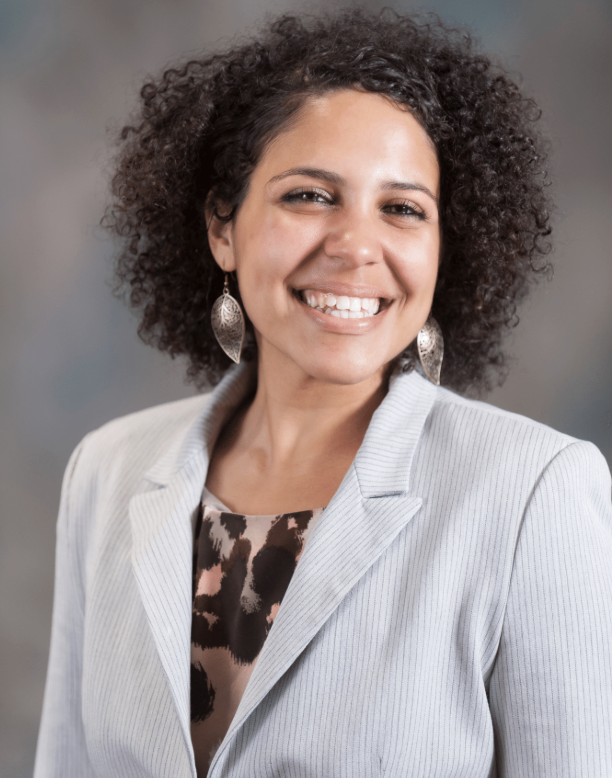
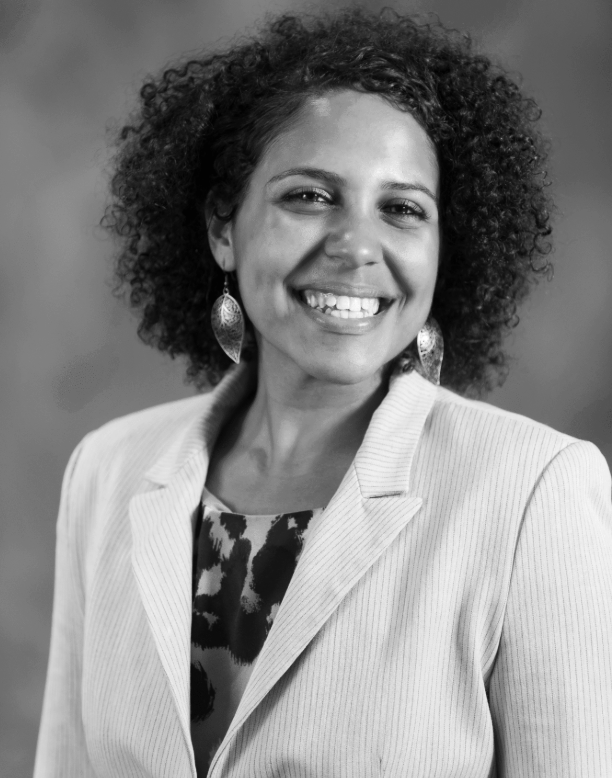
how can someone have high self-esteem but low self-worth??! today’s guest is dr. marisa g. franco— a psychologist, author, professor, and friendship expert. she writes about how to build relationships with yourself and others for psychology today and has been a featured connection expert for major publications like the new york times, the telegraph, and vice.
in this episode, we continue last week’s conversation on self-worth and relationships. this time, we’re focused on the internal factors behind self-worth, such as your emotions, identity, and more!
we talk about:
why it can be easier to validate someone else's feelings instead of our own
the two different types of self-esteem (& which one leads to better relationships)
how to process your emotions to improve your self-worth
why gaining self-worth can change your life for the better
ways we reinforce our insecurities without even realizing
pushing back against our own (& other people's!) insecurities
misconceptions about self-worth
if gen z struggles with self-worth more than other generations
mentioned:
About She Persisted
She Persisted is THE Gen Z mental health podcast. In each episode, Sadie brings you authentic, accessible, relatable conversations about every aspect of mental wellness. Expect evidence-based, Gen Z-approved resources, coping skills (lots of DBT), insights, and education in each piece of content you consume. She Persisted offers you a safe space to feel validated and understood in your struggle while encouraging you to take ownership of your journey and build your life worth living.
a note: this is an automated transcription so please ignore any accidental misspellings!
Dr. Franco: We can be loved but feel unlovable. We can be successful but feel like a failure. There's no shame in feeling unworthy. There's no shame in feeling insecure. It's not that you feel that way, it's the shame you attach to it that's keeping you stuck. Worthiness is not just achieved from nothing. It's a practice of turning towards pain in a centered way over and over and over again.
Self-worth is the foundation of flourishing.
sadie: Hello, hello, and welcome back to She Persisted
I wanna ask you a question.
When is the last time you genuinely felt proud of yourself and it actually lasted? Not for an hour, not until someone else accomplished something Not until your brain found the next thing that wasn't good enough. But that pride actually lasted
A lot of us spend so much time trying to become someone that we're proud of that we never learn how to be kind and proud of the person that we already are.
And I think that's because most of us don't understand what self-worth is. We think it's confidence or self-love or feeling amazing about ourselves. But what self-worth actually is, is how you respond when you're hurting And if you're struggling with your mental health, whether it's depression, anxiety, self-esteem, you spend a lot of time hurting
And my guess is not building and reinforcing that self-worth that you deserve
So if that's you and your self-worth is affecting your relationships, your life, your goals, but you're wondering, "What do I actually do about it? How do I stop tying my worth to my grades, my career, my relationships, and everyone else's opinion of myself? how do I stop feeling like I have to constantly earn my value?"
This episode is going to answer all that and more. If you listened to last week's episode, part one of this conversation, we talked about why we can be deeply loved and supported, but still struggle to feel lovable. Today, we're taking that next step. We have Dr.
Marisa Franco back on the podcast, a New York Times bestselling author, professor, psychologist, and friendship expert
And we are talking about what building self-worth actually looks like in practice from the small ways that we unintentionally reinforce our insecurities every day, to the research-backed exercises that can help us change those deeply rooted beliefs.
So if you've ever felt like you've spent your whole life trying to feel like you're enough, I think this episode is gonna give you a completely new perspective and a completely new way to look at healing. So let's dive in.
Sadie: I'm so glad we're getting to do a part two and really build on how do we view ourselves, how do we show up in relationships because of our self-worth, and how we can work on changing and improving that and As someone who struggled with self-worth, it's, like, much easier for me to extend grace to worth in general versus, our own self-worth and all of the complicated emotions with that.
And I think about, if a friend was struggling, and they were gonna have a really busy, tough day. Like, you'd send them a text or you'd reach out
Dr. Franco: yeah.
Sadie: We don't do that for ourselves.
Dr. Franco: Yeah. Exactly. And I, I talk about worth-
As a, a practice of attuning to your feelings. 'Cause it's like every time you treat a feeling like it matters, you're treating yourself as if you matter. And, and that's what securely attached kids got from their parents. Secure-ish kids got from their parents this what's called sensitivity, which is people recognize they're hurt, and responsiveness, and they did something about it.
It's the parent that says, "Oh, you're sad. I'm here. Like, do you need a hug?" Instead of, "Stop crying. Stop crying." Yeah. Right? And that's what we need to start practicing internally. And in the book, coming to that definition of worth as this sort of internal process of feeling and doing, doing something with those feelings, came from me reading the research on self-esteem.
Here's what I find When people say they have high self-esteem, there's two very different types of people who say they have high self-esteem. One of them acts superior to others, hostile towards others, antagonistic towards others, has the worst relationships. The other one, compassionate, kind, caring, has the best, most smooth relationships.
So I'm thinking, "What's the difference between this?" 'Cause I need to know. I don't want to, push people to be the kind of self-esteem that comes at everyone's expense. Yeah. And so I'm talking to my colleague Beth about this, and Beth says, "I'm trying to think about when I feel defensive. Usually it's because I'm feeling some sort of shame that the other person has activated in me."
And that was my mind-blown moment, 'cause I realized that these people that have the sort of good kind of self-esteem that's kind and considerate of others, it's not that they never feel defensive. It's not that they never feel aggressive or antagonistic. It's that they acknowledge it.
Sadie: Hmm.
Dr. Franco: And when you acknowledge it, it doesn't overtake you.
And the people that have that egotistical kind of self-esteem, they're not acknowledging their hurt. They're not acknowledging their pain. They always feel like they need to act superior, never weak, right? And that ironically makes them more fragile because then when other people trigger any of those emotions that are pushed away, they get really aggressive.
So that's why I, I saw that people can have high self-esteem and low self-worth. They're very misattuned to themselves, and I wanted to push people to have high self-esteem and high self-worth, which requires us to be open to our internal world to make whatever emotions that are happening inside of us okay to happen.
Sadie: Yeah. If you were to give people, like, some best practices of how you wish they approached their emotional experiences, their relationships, their worth, obviously approaching with mindfulness and not trying to attach judgment to it- Yeah ... creating space
what are those kind of like steps that people can follow as an easy reminder of if I wanted to set myself up for success or if I wanted to try to approach this differently, I wanna remember these things.
Dr. Franco: Yeah, sure. So one practice that I really love is when you're, experiencing a uncomfortable emotion, is to just put your hand over your chest, feel that emotion or sensation in your body- And say what you need to hear.
Sadie: Mm.
Dr. Franco: “I'm here, I'm here, I'm here. You're safe, you're safe, you're safe." And those words have to become embodied.
You have to feel the impact of those words on your body. There should be a feeling of lightness or maybe a tension that's starting to release as you continue to say those words to yourself. And so that's a really simple one that you can practice in a moment that you're triggered. But I think my approach to worth in the book, 'cause I, I go into a lot of different exercises that people can use, is both reacting to, triggers related to low self-worth in the moment, but also going back to the past and working to reconsolidate those memories.
So I have, like, activities to do that inner child worth and, and then detail the different things you can do to revisit that memory, and then write about how you see yourself differently, how you think the world perceives you differently after.
And the other thing that I wanna emphasize is, like, this is a practice. It takes time out of your day.
Sadie: Yeah.
Dr. Franco: Like, worthiness is not just achieved from nothing. It's a practice of turning towards pain in a centered way over and over and over again. For me, every morning I do a meditation where I am exploring my pain, validating it, feeling it in my body, offering it nurturing words.
And so it is, you know, just like you're gonna be working out, you're gonna go to the gym, you gotta do, like, little emotional workouts , to work on your sense of worth.
Sadie: Yeah. For people who are struggling with maybe it's, like, the motivation or the reasoning of why would we wanna work on our worth?
Dr. Franco: Mm.
Sadie: Like, obviously maybe what we're operating with isn't as great as it could be. Sure. But it's what we know.
It's more comfortable.
Dr. Franco: Yeah.
Sadie: Sure. What is kind of on the other side, why, why is this something that we would want to consistently day after day work on changing and evolving and, hopefully improving?
Dr. Franco: It is work. Yeah. It is work. And when we struggle with self-worth, we can be loved, but feel unlovable.
We can be successful, but feel like a failure. So all of the beauties of life kind of slip away from us, slip off of us, unless we can work on our worth, which actually allows us to take in all of the amazing things that will happen around us. And so I think self-worth is the foundation of flourishing.
It's the foundation of living in the present rather than the past. It's the foundation of existing in reality and being grounded and comfortable within it. It's the foundation of experiencing a rich life, and I'm not just saying having a rich life. I'm saying actually experiencing it in a visceral way.
Sadie: Yeah. You mentioned earlier that sometimes we can, react to our own insecurities in the same way that they were almost, like, created-
Dr. Franco: Yeah...
Sadie: initially.
Dr. Franco: Exactly.
Sadie: We talked about the best practices and how you can sit with that experience and work to label it or respond to it in the way that is kind of best for you in that moment.
For people that don't even know what's going on, they don't know that they're reinforcing these things-
Dr. Franco: Yeah...
Sadie: they don't have the verbiage yet to recognize, "Oh, wait, like I, I have low self-worth and I'm making this worse, or I'm not making it better." What does that look like? What does that sound like?
What is that experience where you're furthering these insecurities or you're reinforcing them-
Dr. Franco: Mm ...
Sadie: regardless of what's happening externally?
Dr. Franco: You know what? It can be really hard to recognize, 'cause I think even in myself, if you asked me did I have issues with self-worth before I started writing this book, be like, "No, I feel pretty good about myself."
Sadie: Yeah.
Dr. Franco: Because I was ignoring any information to the contrary. Yeah. Right? And I also felt a lot of pressure to present positively to other people, and I could even see it in my own therapy, like Oh no, but I'm doing okay. But I'm good." Yeah. "But I..." Like, kind of reassuring my therapist as if she needs me to be okay.
She's paid to be there when I'm not okay. -
Sadie: But you're okay, so she doesn't-
Dr. Franco: Yeah ...
Sadie: need to be there.
Dr. Franco: Yeah, exactly. It's fine. Exactly. , And we can really see it with a lot of, like, high achievers who feel like- If I don't achieve highly, I am no longer worthy or valuable, or who are so focused on chasing something.
Usually it's an indirect way to chase worth, right? It's if I get this grade, if I get this relationship, If when something completely absorbs us to the extent that we're out of balance with the rest of our lives, often there's something about worth it feels like that thing dangling in front of us will really grant us that worth.
And, you know, what we really see, there's this, , great psychologist, Robin Carhart-Harris, he talks about how when we go through something unpredictable, scary, one of the ways that we cope with that is by making ourselves predictable. We develop a rigid identity. I have to be the self-made person. I have to be the good girl.
I have to be the person that gets straight As or else, right? And what that rigid identity does is it alienates us from ourselves because when we experience weakness or vulnerability, and we're the strong one, all of a sudden we're running away from that. And so what I think we want to move towards is not knowing ourselves so much, so I allow myself to acknowledge feelings that are counter to the narrative that I have about myself because I never really was that person in the first place, right?
If my feelings are not necessarily aligning with that thing. And, for me, like, that manifests as, for example, I've had a sprained ankle for eight months, and it's... I don't have to run or surf or dance like I used to, and it's okay for my body to evolve and change, and I can ask myself, "Who am I now?"
or, "What can I do now?" Or, you know, it also manifested as me being a friend expert and getting a flyer for factor meals, and I'm like, "Single person meals to eat alone in my home? That's not friend expert." But instead, like, how about instead of identity determining experience, experience determines my identity.
And I say, "I actually really struggle to cook, and sometimes I am eating alone, and it would kind of be nifty to have this done for me." Yeah. So to just allow ourselves internal experiences that violate the narrative and let that be okay, , for you strong ones. It's okay to acknowledge when you feel weak and you need support.
That can be a really powerful way to soften these contingencies of self-worth, that only if I'm this thing am I worthy, that I can have high regard for myself no matter who I am, no matter how I show up, and no matter how I feel. And that's, you know, it's ironic, but I think the most secure-ish people can admit when they feel insecure.
Sadie: Yeah.
Dr. Franco: the people that say, "I never feel insecure. I'm great," right? Those are not... I don't think that that's the sort of aligned version of self-worth that I'm talking about in the book.
Sadie: Yeah. It's funny when you mention the, like, identity tied to actions. I can't remember if it's Atomic Habits or if it was, in a psychology lecture, but, like, that's the exact advice on trying to increase behaviors, of not being like, "I'm going on a run," it's, "I'm a runner."
Dr. Franco: Mm-hmm, mm-hmm.
Sadie: And if you i-
Dr. Franco: That's funny. I never thought about that.
Sadie: Yeah, if you identify as that thing, you're more likely to do it- Yeah ... because you see it as part of yourself.
Dr. Franco: Yeah.
Sadie: And so it's crazy how we are doing these, really powerful things almost in, like, a negative way.
Dr. Franco: Yes. Yeah.
Sadie: We're attaching them to a- our identity, and so it makes it so much more challenging to change the behavior because we see it as so central to self.
Dr. Franco: Exactly. I mean, I think what I'm really trying to say is, like, the most powerful thing you can do is just be honest.
Sadie: Yeah.
Dr. Franco: that's what, what I hope for people that read this book, that, like, there's no shame in feeling unworthy.
There's no shame in feeling insecure. It's not that you feel that way, it's the shame you attach to it that's keeping you stuck, and it's wherever you are, wherever you're at, like, that's okay.
Sadie: Yeah. if people take the step to name it, to tame it, so that the shame is decreased- Yeah ... and they're verbalizing this experience, earlier you said that to be loved is to be understood.
Dr. Franco: Yes.
Sadie: And I imagine that it's really hard to understand and to create space for and acknowledge this truth of someone's worth if it's negative or if it's so disconnected from how you see them.
Yeah.
What is your advice to parents or friends or family members or colleagues who have someone in their life who has this potentially negative self-worth, and it feels like you're doing them a disservice to be like, "I see your truth," because you're like, "That's not true."
I know. Or, "I, I understand, but I don't."
Dr. Franco: Yeah.
Sadie: Because it's so, so different from how you view them.
Dr. Franco: Yeah. , Well, I think it, it reminds me of this concept called the false consensus effect, which is we think everyone sees reality like we see reality.
Sadie: Yeah.
Dr. Franco: And I think within that assumption, it's so hard to say, "This person may see themselves so differently than how I see them.
Oh my gosh." But that is, is just the reality, that people can see themselves so different. And the more that we try to, remind them that, "I can't see you that way," or, "I can't even hear this in you that you feel this way about yourself," the more that we just make them feel alienated and isolated.
And so the goal is, I think it, it requires us to also confront ourselves because what does it mean to us that someone sees themselves so negatively? Particularly for parents, right? There can be so much meaning. I didn't, I wasn't a good parent. I was a bad parent 'cause my kid doesn't feel worthy or my kid's self-esteem is struggling.
And so you, you kinda have to do that worthiness work within yourself too- Yeah, yeah ... to sometimes be able to accept someone else's experience of lack of worthiness 'cause it can trigger your own stuff. Oh my gosh, now you're triggering the part of me that doesn't feel worthy, or the part of me that feels rejected because I have this vision, I'm trying to compliment you, I'm trying to love you, and you're rejecting that love, right?
Yeah. It might really require us to go inward and ironically use these techniques within that we might want someone else to be using to be able to actually sit with them and witness them and understand them. 'Cause I really think of worthiness, like, if we think of, this, this lens of if you feel unworthy, it's your memories that are unprocessed that are shaping your current reality.
Ultimately, worthiness then is just finally being able to live in the present and actually see what is, beyond your projections, beyond your impositions, beyond your assumptions. So I think when we work on our own worth, we're able to leave space for other people who feel unworthy.
Sadie: Are there any misconceptions or things that you think people get wrong about worth or self-worth?
Dr. Franco: I mean, I feel like so much of the, like, healing space is about bulldozing your insecurities. Like you said, fake it till you make it, the ego is the enemy, even how secure attachment- Yeah ... has been used. Like-
Sadie: Self-love versus self-acceptance.
Dr. Franco: Yeah, yeah, exa- or yeah, like, you know, I know some people that struggle with body positivity 'cause it's like I don't always feel positive about my body, and I, now I feel ashamed of that.
Sadie: Yeah.
Dr. Franco: So much of the wellness space is, like, commodifying you to, like, force you to be better. And there's this, psychologist poet, Marion Woodman, and she says, "It's easier to try to be better than who you are than it is to be who you are."
Sadie: Yeah.
Dr. Franco: And that's what I think we get wrong, is that we're always trying to be better more so than we are trying to be.
Sadie: Yeah. Last kind of wrap-up question. I always love getting expert opinions on where we're at with Gen Z mental health- ... because it's something everyone has opinions on. And when I think about kind of us as a generation, and I hate the, like, labeling of, the anxious generation, they're depressed, they're struggling, they're failing in all the ways.
But I wouldn't necessarily be like, "That is a group of people that has great self-" Like, I wish- Yeah ... but I don't think that would be accurate. Is that something, through the work that you've done and all the literature that you've incorporated into the book, and the conversations that you've had, is that something that you think is accurate, that's an area of growth?
Dr. Franco: Well, I'm really talking about self-worth as a practice of, like, sitting with nothing but yourself.
Sadie: Yeah.
Dr. Franco: And I think younger generations, the system of technology use has encouraged a... It's so easy to distract and numb out from your... Or easier than it's ever been in human history.
Sadie: Yeah.
Dr. Franco: And it kinda reminds me of, like, I assign my students, I teach Gen Z, to not use their phones for a day and see what happens.
And one of my students said, like, "I got so lonely that I talked to the Trader Joe's cashier." And it- Like groundbreaking. Right. Can't believe you did that. Groundbreaking, yes. And it occurred to me
that the, perhaps the problem isn't that we're lonely, it's that we're not lonely enough, right? Mm. Because we're always distracting and distancing ourselves from our pain, rather than actually sitting with it and settling into it. And so that's where I can see, you know, the documented mental health struggles of Gen Z as, like, you have been trained not to sit with pain, and then it just follows you.
Sadie: Yeah. Yeah. It's never been easier to avoid... as a college student, one of my first realizations was, like, this is really optimized for avoidance. Exactly. You don't have to do anything ever if you don't want to.
Dr. Franco: No, you could be scrolling on TikTok- Yeah ... for hours.
Sadie: It's, it's really hard to choose the more, like, painful, difficult, challenging option.
Exactly.
Dr. Franco: Yep.
Sadie: And that's really what this is about, and I'm really appreciate, like, all the different nuances of this that you offered with why it's important to work on this, even if it's uncomfortable, even if we've solidified that identity already.
Dr. Franco: Yeah.
Sadie: How important this is in our relationships, because it's not just what's happening externally.
There is so much internal as well.
Dr. Franco: Mm-hmm.
Sadie: , And also j- how we can support others who are struggling with their own self-worth, because it is something that we can have a role in, even if it's not something that we've experienced firsthand.
Dr. Franco: Self-worth feels like, like you said, such a trap.
Like, no matter what I do or how much anyone loves me or how many As that I get, I still feel so empty inside. And so I hope that this conversation and this book can show people, like, you're not trapped. There's a way forward.
Sadie: Yeah. If people want to order your book, follow along with your work, follow you on social media, where can they do that?
Dr. Franco: So the book's called Worth: The New Science of Self-Esteem and Secure Attachment, and it's available wherever books are sold. You can get pre-order a autographed copy at Lost City Books in DC. My Instagram is @drmarisagfranco. That's D-R-M-A-R-I-S-A-G-F-R-A-N-C-O. I share tips on relating to yourself and others on my website, drmarisagfranco.com.
You can sign up for a list of practices to improve your worth or reach out for speaking events on self-worth at work during uncertain times.
Sadie: Amazing. I'll put all that in the show notes. Thank you so much for joining me. I'm so glad we got to do this part two, and I think whether people start with this conversation and then go back, or they started with, the more external relationship loneliness piece and then focused on the internal, I think there's just so much to learn and, incorporate into everyone's life.
one of my favorite ideas from this conversation with Dr. Franco is that building self-worth isn't about convincing yourself that you're perfect or not ever feeling insecure again. Instead, it's about learning to stop fighting the parts of yourself that are hurting or healing or struggling If you've ever tried to fix yourself by working harder or achieving more or becoming a different person, I hope this episode and this conversation gave you permission to try something different, to get curious instead of critical, and to meet yourself with the same compassion that you'd give anyone else in your life who is struggling.
And if this resonated with you, I'd love if you could share it with someone else who might need to hear the same reminder. And if you haven't already, make sure to listen to part one.
We talked about all the ways that we can feel unloved even when we're surrounded by people that can care about us. And as always, make sure you are subscribed so you never miss an episode. Follow along on Instagram, TikTok, all the places at @shepersistedpodcast. Leave a review. It really helps the podcast, and I love hearing what you guys are liking or not liking or wanna see in future episodes.
And with that, I'll see you next week.
Sadie: If you enjoyed this episode of She Persisted, make sure to leave a review, subscribe, and share with a friend or family member. Follow along at at She Persisted podcast on TikTok, Instagram, YouTube and more for bonus content. Thanks for listening and keep persisting.
© 2026 She Persisted LLC. This podcast is copyrighted subject matter owned by She Persisted LLC and She Persisted LLC reserves all rights in and to the podcast. Any use without She Persisted LLC’s express prior written consent is prohibited.

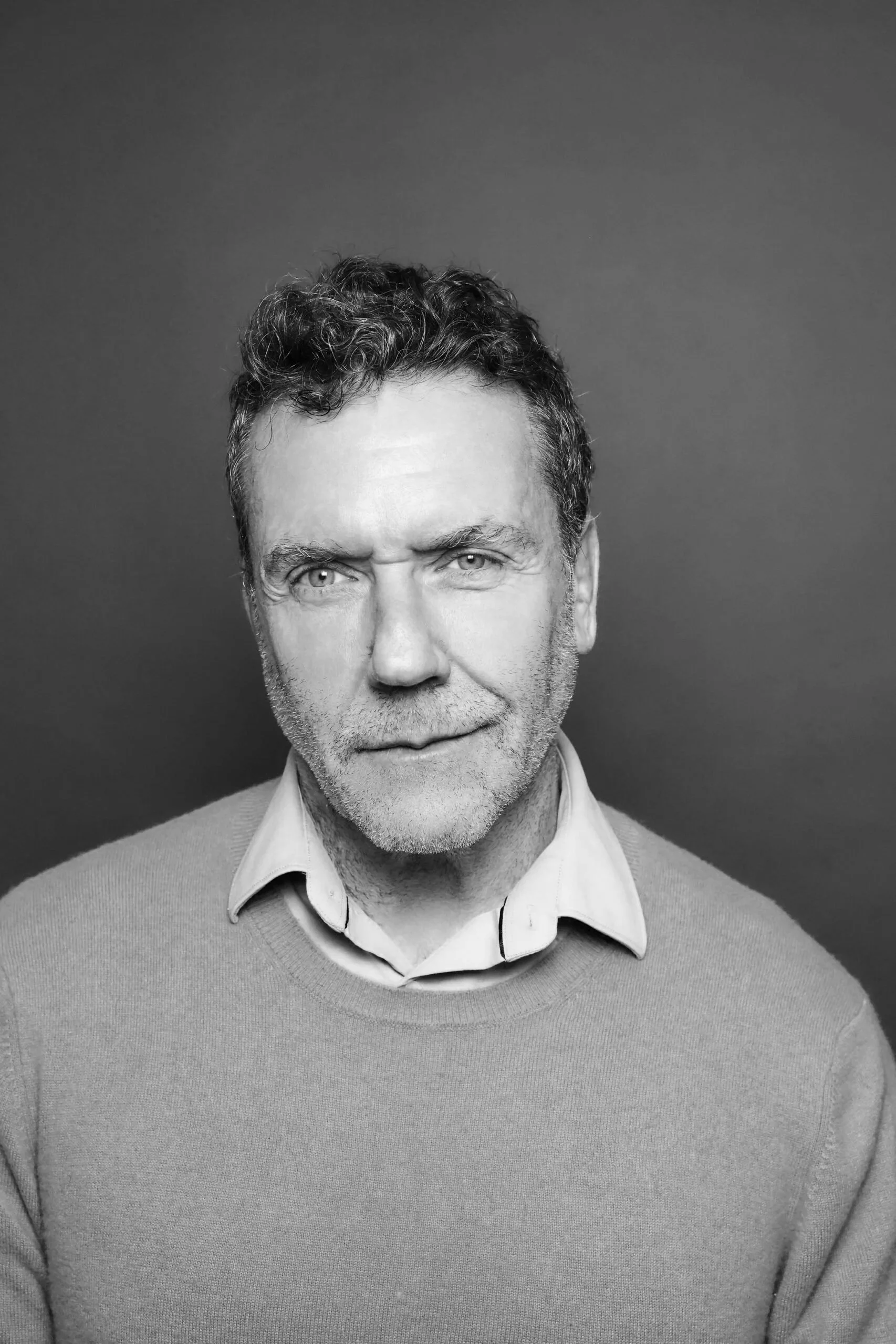

















if you know what you need to do to improve your mental health, but struggle to implement these changes into your life, then this episode is for YOU. today’s guest is shireen rizvi— a licensed clinical psychologist who has conducted research and training in dialectical behavioral therapy (dbt) for over twenty-five years. in this episode, dr. rizvi and i discuss how to implement dbt skills into your daily life. whether you’ve never heard of dbt before, or you’re a dbt expert, this episode isn’t just about learning the skills— it’s about figuring out how to actually apply them in your life. because while awareness is a crucial step in mental health recovery, it’s not the only step that matters.