

listen to this episode:
Tune in and subscribe on your favorite platform: Apple Podcasts | Spotify | YouTube | Amazon | GoodPods | Castbox | iHeart Radio | overcast | pocketcasts
are you currently at a low point with your mental health? do you hate it when people tell you “it will get better”— mostly because you don’t believe it ever will? in today’s solo episode, i’m answering the questions i had when i was struggling with severe depression and suicidality as a teenager.
eight years after being hospitalized for my mental health, i’m looking back on the doubts and fears i had throughout my recovery and sharing what actually helped me get better.
if you’re currently asking yourself questions like will i always feel this way? what if it’s not bad enough to deserve help? what if asking for help makes everything worse? then this episode is for you.
i talk about:
when i was hospitalized for depression at age 13
what to do if you’re feeling hopeless about your future
how i started to shut down my suicidal thoughts
the mindset shift i made in residential treatment that changed my life
ways to make asking for help feel a little easier
my final advice for anyone who thinks it won’t get better
mentioned:
IF you are in a crisis (via Nock lab)…
If you are thinking about harming yourself or attempting suicide, please tell someone who can help:
Call 911 for emergency services (in the United States).
Call 988 (the toll-free 24-hour hotline) to reach a trained counselor.
Go to a hospital emergency room.
Ask a friend or family member to be with you or help you make these calls or take you to the hospital. If you have a family member or friend who is suicidal, do not leave him or her alone. Try to get the person to seek help immediately from an emergency room, physician, or mental health professional. Take seriously any comment about suicide or wishing to die. Even if you do not believe your family member or friend will actually attempt suicide, the person is in distress and can benefit from your help in receiving mental health treatment.
About She Persisted
She Persisted is THE Gen Z mental health podcast. In each episode, Sadie brings you authentic, accessible, relatable conversations about every aspect of mental wellness. Expect evidence-based, Gen Z-approved resources, coping skills (lots of DBT), insights, and education in each piece of content you consume. She Persisted offers you a safe space to feel validated and understood in your struggle while encouraging you to take ownership of your journey and build your life worth living.
a note: this is an automated transcription so please ignore any accidental misspellings!
I truly believed that I wasn't capable of happiness.
When people are telling you that it's gonna get better, and you know in your heart with complete conviction, " I will always feel this way.
I want you to know that I was completely wrong about what my future would look like
you don't need to believe me when I say it'll get better
But what I do want you to do Is leave enough room for the possibility
That the future you're imagining right now isn't the only one that's available.
When I was suicidal, one of the things that people told me most was that it would get better
and I hated when people would say that because I just did not believe them
What I wanted was someone to tell me how. How would it possibly get better? Because I don't remember feeling any way other than this:
this is exactly what I wish I knew and the questions I was asking when I was struggling with hopefulness, when I didn't want to be alive, when I didn't see a path out, and when I was so stuck in my own struggle that I couldn't appreciate another perspective
So to take you back, when I was 13, I was hospitalized for the first time with depression. I officially got diagnosed. I started medication. I began my journey in the mental health treatment world and over the next year, I would be hospitalized three more times for depression and eventually suicidality
The more I struggled and the more I felt like I was trying in treatment and in therapy the less hopeful I felt and the more I leaned on this avenue and this way of coping.
And kind of ironically, the more I tried, the more medications I began, the more therapists I saw, the more IOPs I completed The more rounds of DBT I went through
The additional hospitalizations the more discouraged I felt and the more it solidified my belief that I was fundamentally broken, that I wasn't capable of living a life worth living or being happy or hopeful or doing this thing that everyone described and made it seem like was inevitable when that was the opposite of my lived experience
So I found myself in a position of being suicidally depressed, believing that I wasn't deserving of love, and that I kind of deserved the pain that I was in and the struggle I was experiencing, but also that I just wasn't fundamentally capable of recovery. That even if others could do it, it just wasn't possible or in the cards for me
Now eight years later, I can look back with the lived experience and the psychology context to know things I didn't understand then, and have that 20/20 hindsight that treatment would eventually work, that residential would be a huge turning point in my mental health, and that I would be capable of building a life worth living and maintaining it long term
So knowing what I know now, I wanna answer the questions that I actually had when I was at my lowest and I was struggling
not just give you guys a list of warning signs or telling you guys to just be happy, look on the bright side, choose hope
And instead answer questions like, "What if I always feel this way?" What if I've already tried to get better and it hasn't worked? What if it's not bad enough to deserve help? And what if telling someone actually just makes everything worse?
So the first question you're probably asking yourself if you are struggling is what if I actually never feel different?
for a long time, this was a truth that I lived by
I didn't wake up one day in a shockingly different emotional state. I found that at 13, the first time I was hospitalized, it felt like these emotions had been creeping up and building and compounding over time, and it felt like I couldn't remember a time where at least some of that emotion wasn't there.
When I looked back, I could always remember a time where I felt hopeless. I could always remember a time when I felt isolated. I could always remember a time when I felt overwhelmed
And because those experiences were so intensive and they took up so much of my day-to-day, almost every minute of every hour of every day, week after week for months I started to believe that maybe this is just how my brain works Maybe everyone else is wired differently and they're capable of happiness, but I'm not and vividly I remember believing that maybe depression isn't something that I'm experiencing, maybe it's simply who I am I remember doing one of my rounds of intensive outpatient after a hospitalization.
We were doing occupational therapy, and one of the things that we were doing was visualizing our identities, and I remember putting together these pieces of my identity of like where I went to school and where I lived and family and friends and interests that weren't really interesting anymore.
And a really salient part of that identity being I'm depressed and I'm anxious. Not that I'm experiencing depression or I'm experiencing anxiety, but I am depressed as a person. That's who I am. I am anxious as a person. That's who I am. That is my identity
and I truly believed that I wasn't capable of happiness. I had some moments of joy, but like a day where I just kind of existed or experienced good things and that my life wasn't defined by these intense and overwhelming emotions or crises or conflicts really wasn't something that I was familiar with.
And so when I looked at that, I was like, well, who am I to say that anything would be different from what it's been like thus far?
But we know from psychology research that when we're in a particular emotional state, our memories Our thoughts and our predictions about what the future will look like are incredibly biased towards that state
If you're happy, you think that you'll continue to be happy in the future. If you're sad, you think you'll continue to be sad down the line. If you're angry, you believe you'll continue to have that temper five years, 10 years, whatever so the belief that I'll always feel this way can feel completely true
Even though that might not actually be an accurate prediction of what your future will look like
So at my lowest, if you asked me if I would always feel this way, I would tell you with complete conviction that absolutely. As a 14-year-old, I can tell you that for the rest of my life I will be suicidally depressed. But as a 23-year-old on the other side of recovery, I can tell you I couldn't have been more wrong, but it didn't look what I expected it to look like and I remember in residential, I woke up one day at 3 East, and I woke up just feeling neutral. And for me, that was a really foreign concept.
When I would wake up in the morning, I would already feel depressed. I would already feel low. I would feel heavy. I would notice my thoughts going to a darker, more negative area. Would maybe feel anxious about things that were going on. But I didn't often have the experience of just waking up and kind of having a blank slate for the day.
And so when about a month into intensive residential DBT treatment, I woke up and felt neutral, that was really groundbreaking
And instead of that immediate wave of dread and despair and overwhelm and all the things that I was so used to
I was just neutral. And for me, that was really remarkable, and it was a really big win
So when people are telling you that it's gonna get better, things are gonna change, you're not always gonna feel this way, and you know in your heart with complete conviction, " I will always feel this way. There's no reason for me to think it would be different
I want you to consider that maybe you misunderstood what better might look like
Maybe that person isn't offering you a magical future where you wake up loving life because for me, that better initially looked like waking up and just not immediately hurting
So if you're asking yourself, "What if I always feel this way?"
You don't need to imagine that future happy version of you yet
Just start by leaving room for the idea and being open to the possibility that how you feel right now isn't permanent And I really want you to remember that your inability to imagine feeling differently is not evidence that you won't feel different
the next thing that I really wish I understood when I was at my lowest
Especially when I had first started feeling suicidal, the thoughts looked different. It wasn't that I didn't wanna die, It was just that I didn't wanna keep feeling like this
And so when I was in a tough moment and consumed by struggle and really anxious or really depressed or really hopeless or sad or had so much self-despair, it became really easy for me to adopt that thought of I cannot tolerate life at all because my life is so often made up of these moments and these crises and these challenges that I simply cannot tolerate and so the I can't tolerate this distress became really synonymous with I can't tolerate life
And so once my brain made that connection, I ended up with this escape hatch option is kind of how I ended up being able to articulate it in therapy. And when I was probably a month and a half or two months into intensive residential treatment at DBT, I was sitting in my therapist's office, And I got to the point where I started to be willing to articulate what a life worth living would look like.
It wasn't totally in my grasp. It wasn't something I was currently experiencing. But I was having enough days where I felt neutral. I had that blank slate where I could begin to think, "Okay, what would a version of my life that really felt worth living look like?" And I knew that for me, a life worth living did not include one where I kept suicide as an option on the table.
A life worth living wasn't one where I had one foot out the door and considered that an option and used that as a way to cope with things. That wasn't healthy. It wasn't effective. It wasn't enjoyable. Like, I don't wanna live a life where I kind of don't wanna be there, or I don't wanna live a life where I'm so miserable that that feels like a logical and justifiable option
But for so long I had associated I can't tolerate this with I can't tolerate life that I'd kind of made these thoughts a mental escape hatch, and they always sat on the back burner
and so when i was sitting in my therapist's office and talking about this, I understood that my life worth living didn't have this escape hatch. And I also understood that it was gonna be really hard for me to actually build that life worth living if there was always part of me that didn't intend to live it.
Why would you invest in an outcome that you're not gonna see? Why would you do all the work to build and cultivate and create something that you're not gonna feel or experience and no one else will? It's your life. Like yeah, in a perfect world we could do that, but in reality, it's a lot easier to achieve a goal that we are emotionally invested in and that we see the outcome of.
It's much more reinforcing
So in that therapy session, I understood that was gonna have to be moved off the back burner. That escape hatch was no longer gonna be an option because my life worth living wasn't one where I thought about that as an option. It wasn't one that I considered to be a way of coping with things. And just like depression recovery didn't mean waking up one day and being happy
No longer being suicidal didn't mean one day waking up and never having those thoughts again. It meant that every time my brain went towards those thoughts or considered that as an option or connected, I can't tolerate this, so I can't tolerate anything I gave myself a little mental pep talk, and I would repeat to myself what I had said to my therapist Which is that my life worth living doesn't include that as an option.
My life worth living doesn't include suicide on the back burner. That is not an escape hatch that I have. that's not a thought that I'm going to entertain or something that I'm going to use to cope with distress when I experience it in my day-to-day life. And yes, this moment is hard, and I feel overwhelmed, and I used to think about other things in the past to cope with that.
But that's not something I'm considering. That's not an option. Nope. Hard boundary. We're not gonna go there
And I did that again and again and again
That recovery wasn't a dramatic choice to live in the therapist's office. It was me recommitting to that life worth living and that decision that that wasn't an option over and over and over again.
The next thing that I really wish I understood
We talked about reframing what feeling differently means when someone says, "This will get better. You won't feel this way forever." I struggled with that, but I also struggled to believe that I would be capable of recovery and feeling better in a treatment context.
So not just like the emotional experience, but like, would it work if I went to therapy and tried really hard and was vulnerable? would that do anything? Would I feel better? And I really didn't believe that was the case
And because I had gone through four hospitalizations and two intensive outpatient rounds and two rounds of DBT outpatient and family therapy and occupational therapy and group therapy and all the medication management
I really felt like I had already tried to get better. I tried and it didn't work, and if I was listening to this podcast when I was at my lowest, I would've been like, "Okay, but I have asked for help. I have tried. I have done the stuff. I did do what you're talking about
And despite all the motions I'd gone through and the people I saw and the things I'd done, I still felt miserable
But what really changed things for me was my mentality and approach for residential treatment. Because what I did at McLean during my 14 weeks at 3 East wasn't like incredibly fundamentally different from what I had done when I did two rounds of Stanford Outpatient DBT It was the same skills the same diagnosis, and I ended up on the same medication.
And yes, there's absolutely something to be said to being, like, in a different environment from where you had been coping ineffectively. I think that was a huge thing for me. But really, when I look back on what made the biggest difference was the conversation that I had before I started residential and the mindset shift I made
Because when I got there, they made it very clear that everyone was a willing participant. You don't go through the motions. Your parents don't sign on a dotted line and drop you off. You are there because you want to be there, and you're committed to doing the work, and you're being vulnerable, and you are motivated to get better.
And no one had ever asked me that before. I'd never been the one to decide, like, do I wanna do this? Will I be a motivated, active, willing participant rather than just going through the motions? So I took some time to reflect on if I could find the wisdom and the experience and be ready to take that step. and I went to lunch with my parents, and I wrote down a bunch of questions on a napkin. And I wanted to know, like, I've already done DBT. Why is this gonna be different? Why should I trust you? I've already trusted a lot of people, and it didn't help. Why should I believe this is gonna work if, again, I've done exactly what you're telling me I'm gonna do before, and it hasn't?
And why should I even try again?
That hopefulness, that belief in the outcome you're working for that is so important and necessary in anything in life was really, really, really hard for me to cultivate and so just like I had reframed what does feeling differently look like, like maybe it doesn't have to be happy, enthusiastic, amazingly overwhelmed with joy, but just neutral instead of miserable.
I also reframed what does recovery and getting better look like? And at that point, halfway through my freshman year of high school, right off of a hospitalization and intensive outpatient program on a medical leave of absence from school because we'd exhausted our options and my mental health was at such a low point
The amount of hope that I could cultivate was maybe in 50 years I'll feel 1% better than I do today
And didn't mean that that was what I was hoping I would get out of 14 weeks of intensive treatment at residential. It didn't mean that That's all I thought I was capable of or all I wanted for myself. It just allowed me to move from the really, really solidly held belief that nothing is going to change to instead thinking, " I cannot prove that nothing can change, and change is possible even if it takes a long time, and it's slow, and it's hard, and I don't know what it will look like."
And I was able to understand that treatment failing you, something not working, the first therapist you meet with not being a fit, the medication you try not making a difference
Whatever it is, it's not the same as you failing treatment
Just because it didn't work for you does not mean that you are not capable of recovery and getting better
And so that belief that maybe in 50 years things could be 1% better and I could be a tiny little bit hopeful really did make all the difference. And of course, I still had to do the work and be vulnerable and ask for help and accept that help and do things differently But doing all those things goes a lot further and is easier when you believe in that positive outcome
And you have that little bit of hope for the future
Another thing that I look back on my mental health journey
And pretty clearly be like, that was the hardest part, was asking for help. just like everything else. This is the common theme in mental health and life. There's not like a black and white, one day you wake up and things are different, and you ask for help and suddenly things get better.
But I do remember the feeling of having all this struggle and suffering going on internally and invisibly, and no one knew about it, and I was going through the motions of life without anyone aware that I was struggling when I was struggling so much, and I just would give anything for anyone to acknowledge that and appreciate it and validate it.
And I remember how challenging that vulnerability was. Like, I truly do believe that was the hardest part of recovery, was being brave and vulnerable enough to ask for help and being willing to accept that help but I also believe that things get easier when you're no longer isolated in your struggle.
I think that's one of the hardest parts and the most painful parts, is being completely isolated and alone with your experience, and feeling like no one can understand. But also knowing if you haven't asked for help and haven't told anyone, that just no one appreciates what you're going through. Like, you are carrying this weight and this struggle completely alone.
And just as humans, doing anything alone isn't great. It isn't good. We are social beings. We are wired for connection. And so with mental health, that is true as well. It becomes more painful and more overwhelming and a heavier burden to bear.
When we are doing it in isolation.
So if you are asking yourself, what if it's not bad enough to ask for help? there or I'm scared of what happens when I do ask for help, because that was exactly what I felt like. Like, once I articulate how I'm feeling, once I let anyone know what's going on inside, suddenly it's escaped containment.
Other people are aware. I can't ignore it anymore. I can't hide it. I can't avoid it, and I am an avoider. And so knowing that I would no longer be able to truly avoid was something that really scared me
So if you first are like, "Well, it's not bad enough that I need to ask for help," or, "Other people have it worse," like what you're describing isn't totally what I've experienced, like it's not at that point. will always be someone that's had it worse. There are so many people that have had it worse than me But that doesn't mean that my suffering is less real than theirs, and that doesn't mean that your suffering is less real than mine
And the purpose of therapy and mental health treatment is not to wait until you've maximized your suffering. It's not that, like, once you're the worst you've ever been, then it'll work. In fact, we know the opposite is true. The earlier the better. Preventative is much better than once you're already struggling and had all these ineffective and maladaptive ways to cope with things
So if you're on the fence about waiting to ask for help versus just being like, "Other people have it worse. I don't really know if I'm, like, going through what you're describing. Like, it could be worse, but it could be better," I want you to know There's no prize for waiting until your mental health becomes an emergency.
There is no award for waiting until you're in crisis to ask for help and to let others in. And if anything, the prize and the reward is asking for help earlier and having people in your corner and having support
so if the second part of your fear of asking for help is that telling someone means I lose control, telling someone means that this is more out of my hands overwhelming, and I already don't have a grasp on this, and there's already so much I don't understand, and it already, feels like there's so much that is outside of my ability to do anything about, telling others will just make that infinitely worse
It is true that telling other people means there are more elements of the unknown. You don't know how they're gonna respond. You don't know whether they will see you differently and you don't know what decisions will happen next. Will they ask you to go to therapy? Will they help you get resources? Will they listen?
Will they be invalidating? We just don't know. That is absolutely true
And so because of that, telling someone can feel enormous and overwhelming and like this gigantic thing to try and achieve
And so for this, like anything that's overwhelming and seems too big to do, we do some exposure therapy. And so when I was in residential, I really had quite an aversion to being vulnerable with my parents. I didn't want to ask for help. I didn't want to tell them how I was feeling.
It was really uncomfortable. I liked to avoid. I also had, all the core beliefs wrapped up in, not believing I deserved love, so being like, "I'm really struggling and miserable, and this makes me feel like I'm even more broken, so, like, why would you love me if, now things are even..." It was hard.
And so we did exposure therapy, the first way that I practiced vulnerability with them was that I would just say at random times an emotion that I was feeling, and we had this agreement that they wouldn't ask follow-up questions. So we'd be at dinner, and I would be, like, anxious, and we'd just carry on with life.
Or we'd be sitting outside getting brunch, and I would be, like, depressed, and we'd move on
And it takes out that unknown piece. They're not gonna ask questions, you don't have to articulate it, it doesn't have to become a whole big thing. It's not gonna, like, dramatically change the status of your relationship. And if you're like, "Well, I can't just, wave a magic wand and have people in my life agree to not ask questions about things when I say them," but you can have this practice of, slowly building up that vulnerability.
You can start by talking about things that you know they're struggling with, like, "I'm also really stressed about that midterm next week," or, "Oh my God, I'm just, so tired when I get back from work. It's just, so different post-grad versus being in school all the time." Or, "I really don't know what's gonna happen with college apps this season, and that's, crazy that there's that element of the unknown."
And then building up to things that you're experiencing but you don't know that they're feeling. " I feel like I'm really anxious all the time with everything going on." And slowly building up to having people in your life that are aware of your mental health and aware of what you're going through and in your corner.
And what I also love about this is while we don't have, like, all or nothing, black and white thinking here, we kind of can in a way that benefits us. And I know that you have been vulnerable with someone before about your mental health. You've told someone you're tired or stressed or overwhelmed or didn't sleep well.
You've been vulnerable before. You have people that are aware of how you're doing. You just need to continue to do that and continue to build that muscle
So when we ask for help, I feel like we make it sound Like you need to sit down and have this really dramatic conversation where you perfectly articulate all the things we're struggling with, and suddenly they're like very aware of all the mental health things you're going through, and you guys have this plan, and this is what g- is gonna happen, and they're along for the ride.
But it doesn't have to be like that. Instead, I want you to just start with being slightly more honest than you were yesterday. That's all. And like I said, with time, build up that muscle, continue to be vulnerable, and continue to let people in, and it will get easier with time
so to wrap things up, as a 23-year-old who does feel like she's living her life worth living, and I feel hopeful for the future, when I think back to my 14-year-old self The most hope, like the absolute most I could manage was the concept that maybe someday, 50 years down the line, things could be 1% better
And with time, as I kind of embraced that shred of hope, that willingness to possibly be proven wrong, recovery looked really different than I thought it would. And it wasn't magically waking up and living the life I'm living today. It was sometimes waking up and feeling neutral instead of miserable
And so if there's one thing you take from today's episode, I don't want it to be like, "Look how amazing my life is. I was so wrong."
It gets better. Just keep going. I'm living proof
I want you to know that I was completely wrong about what my future would look like
I didn't know what my brain was capable of feeling
And most of that was because I was trying to predict my future based on the most painful point of my life
So if you are in the most painful point in your life or if you have someone in your circle, in your community, in your life who's also in a painful chapter
You don't need to believe me when I say it'll get better and things will change and you won't feel this way forever, and it's important to ask for help. I would not have believed me, and I didn't believe everyone who told me those exact things
But what I do want you to do Is leave enough room for the possibility
That the future you're imagining right now isn't the only one that's available. You don't need to know what the future looks like. You don't need to have conviction that you'll get there. You just have to leave room for the possibility that you might be wrong
So if you enjoyed this episode, please subscribe wherever you are watching or listening. It really helps the podcast, and you will get new episodes in your feed. Leave a comment on what resonated, what was helpful, what advice you have for someone who's struggling or going through what maybe you have experienced before.
What do you wish you would've heard? Probably not, "It gets better”.
It is Suicide Awareness Month. That's why this episode is coming out this week in September, because it's top of mind for a lot of people as we have these conversations and see it on social media and online and maybe in person
So I'm giving so much love and grace and empathy to anyone who can relate and can resonate with what we talked about today
988 is always a great resource. I used many a hotline, many a crisis line during my own mental health journey, as well as things like phone coaching. So if you are struggling, if you are in crisis, call or text 988. I will leave additional resources and information in the show notes if you have someone in your life who's struggling, or you want better resources and want to better understand what you're experiencing and what to do about that, because I'm not a therapist and this is not therapy or an intervention.
But I do hope it was helpful. I do hope that you feel less alone. And with that, I will see you guys next week.
If you enjoyed this episode of She Persisted, make sure to leave a review, subscribe, and share with a friend or family member. Follow along at at She Persisted podcast on TikTok, Instagram, YouTube and more for bonus content. Thanks for listening and keep persisting.
© 2026 She Persisted LLC. This podcast is copyrighted subject matter owned by She Persisted LLC and She Persisted LLC reserves all rights in and to the podcast. Any use without She Persisted LLC’s express prior written consent is prohibited.
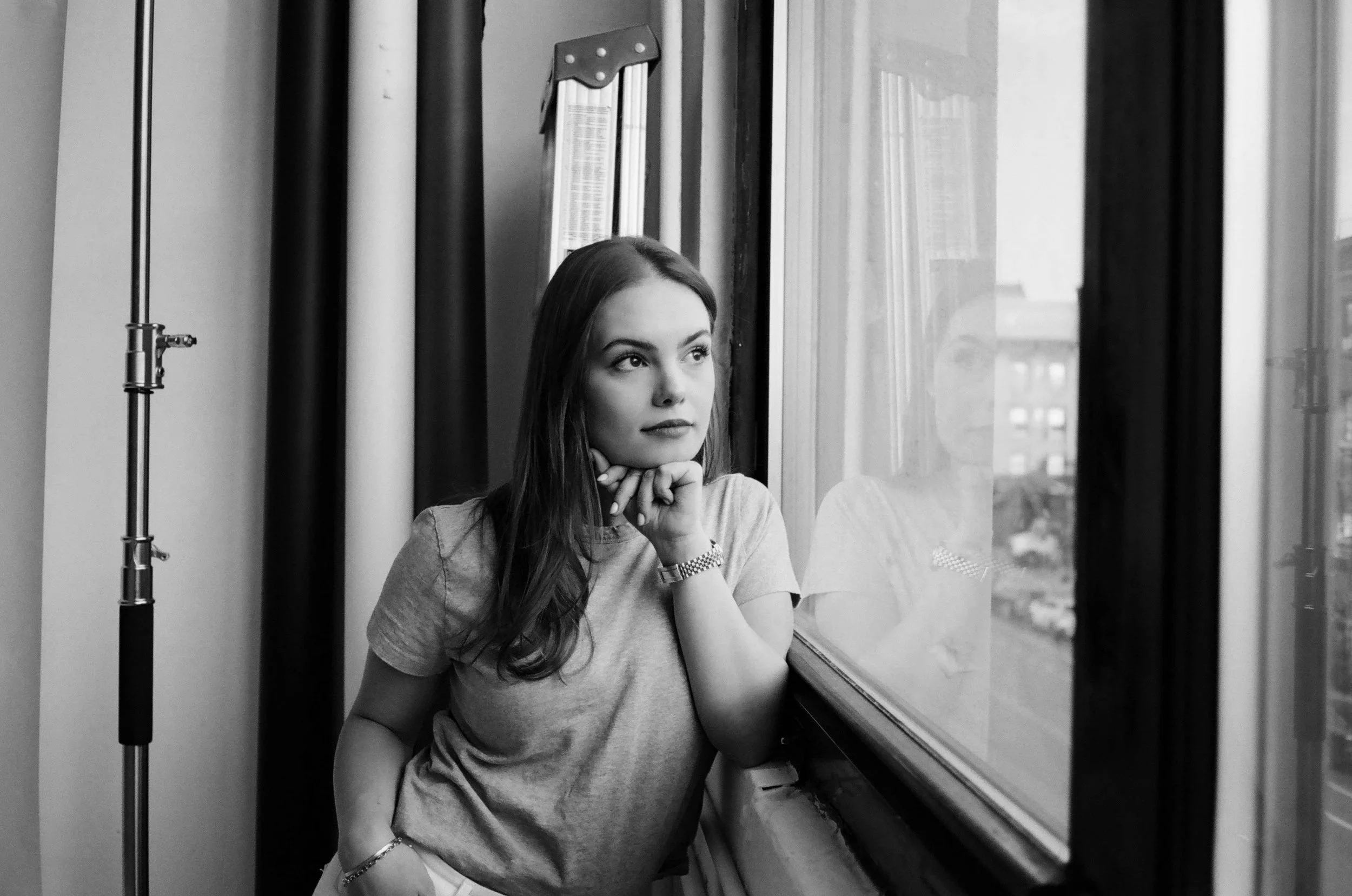
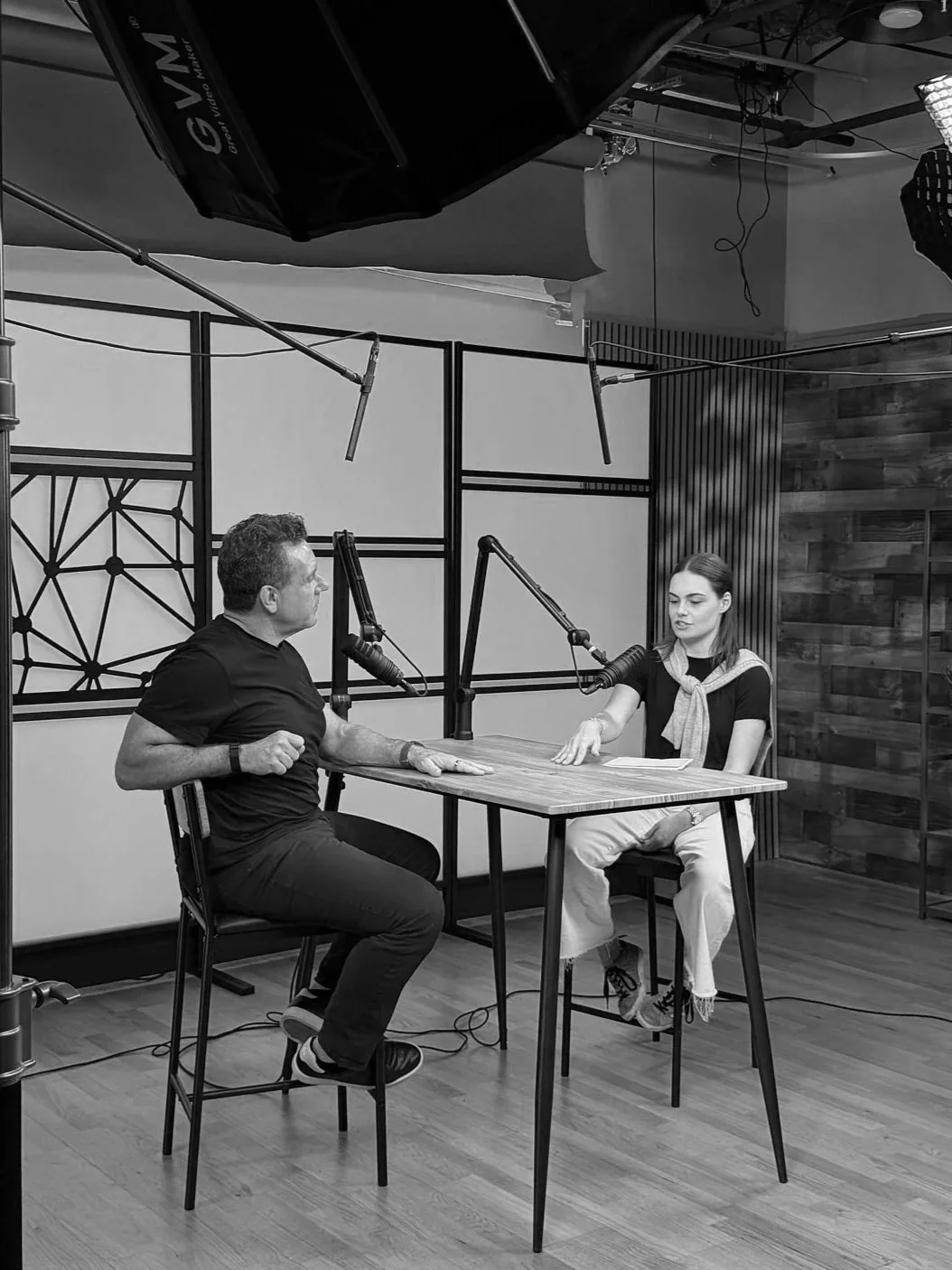
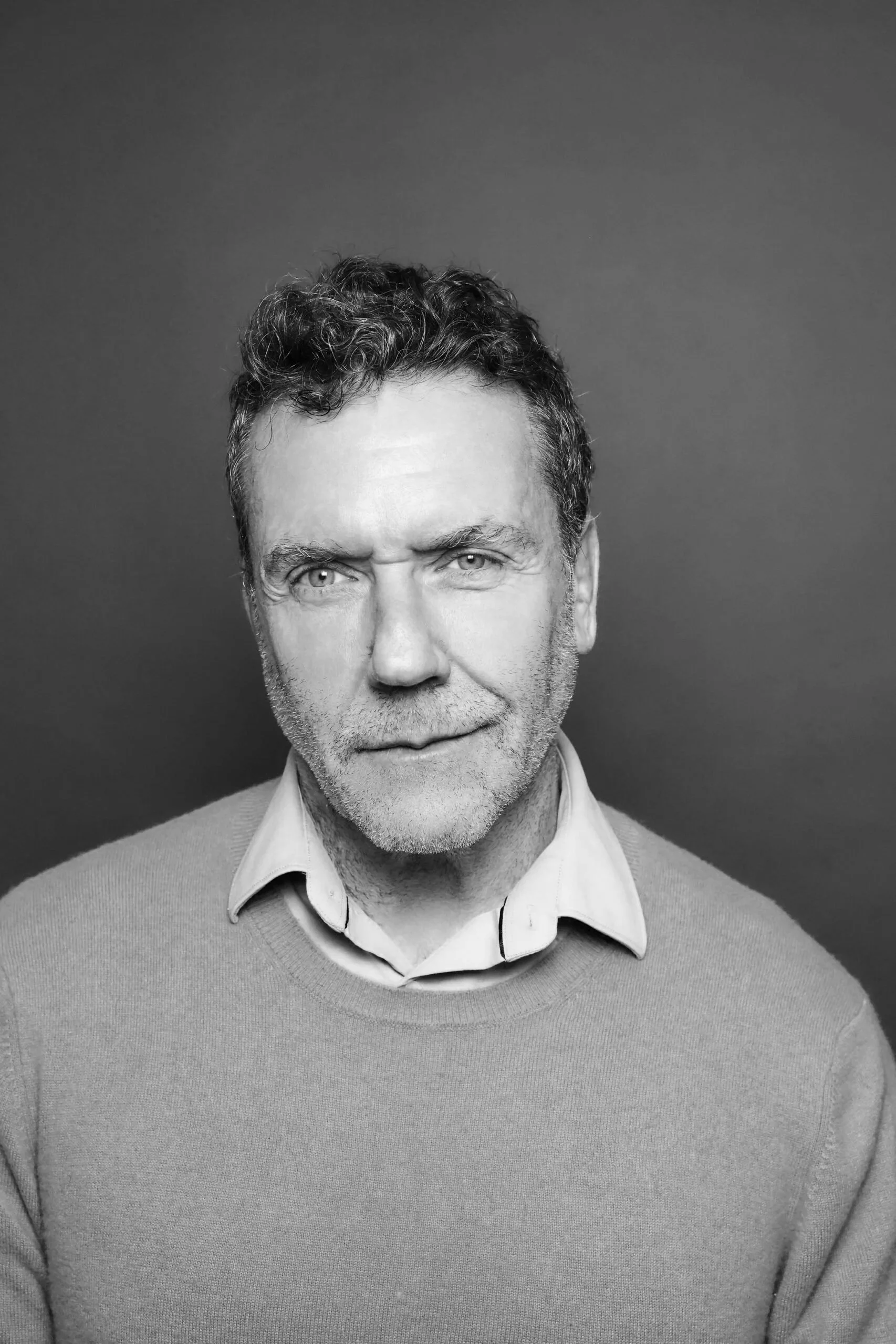



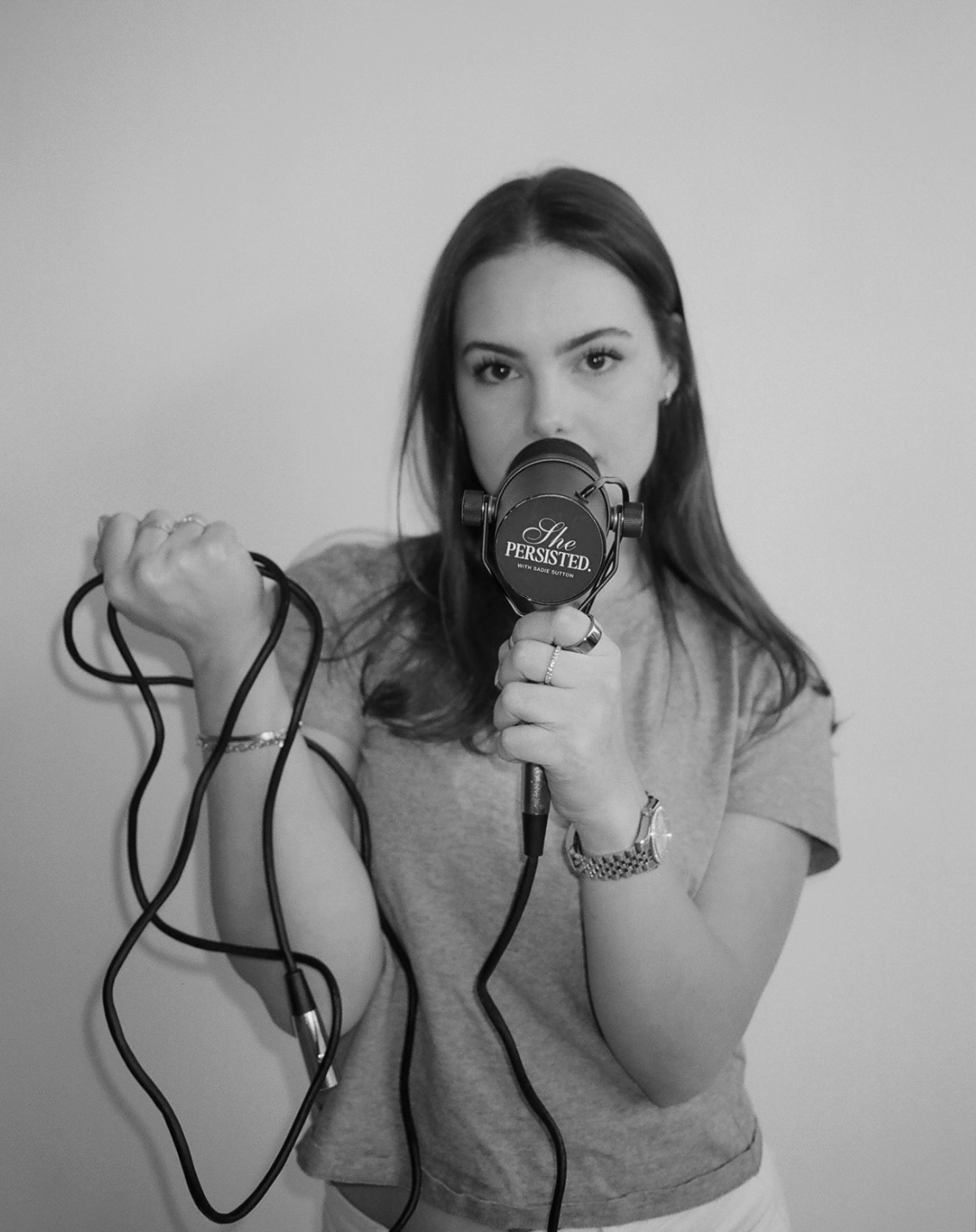











if you know what you need to do to improve your mental health, but struggle to implement these changes into your life, then this episode is for YOU. today’s guest is shireen rizvi— a licensed clinical psychologist who has conducted research and training in dialectical behavioral therapy (dbt) for over twenty-five years. in this episode, dr. rizvi and i discuss how to implement dbt skills into your daily life. whether you’ve never heard of dbt before, or you’re a dbt expert, this episode isn’t just about learning the skills— it’s about figuring out how to actually apply them in your life. because while awareness is a crucial step in mental health recovery, it’s not the only step that matters.