
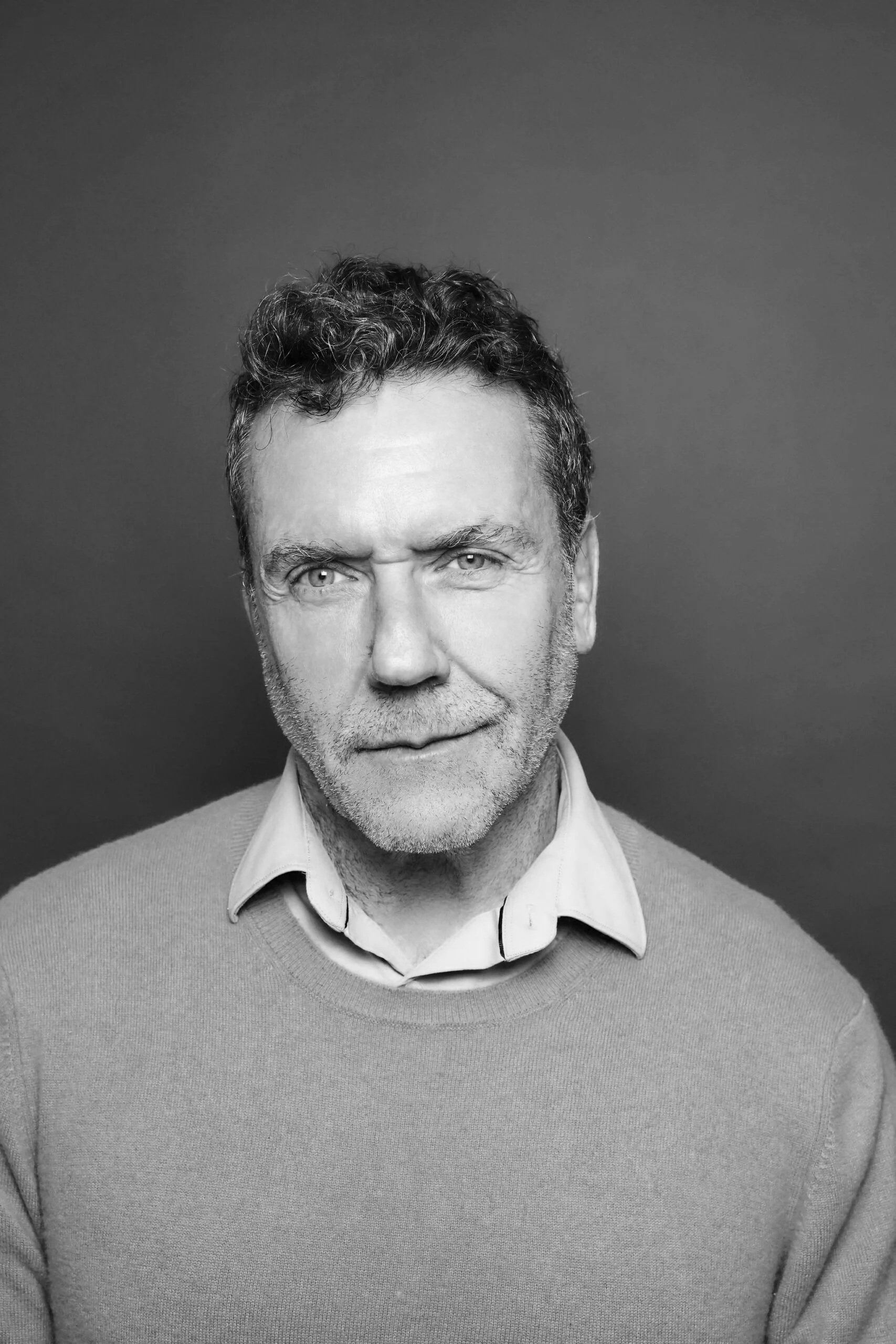
listen to this episode:
Tune in and subscribe on your favorite platform: Apple Podcasts | Spotify | YouTube | Amazon | GoodPods | Castbox | iHeart Radio | overcast | pocketcasts
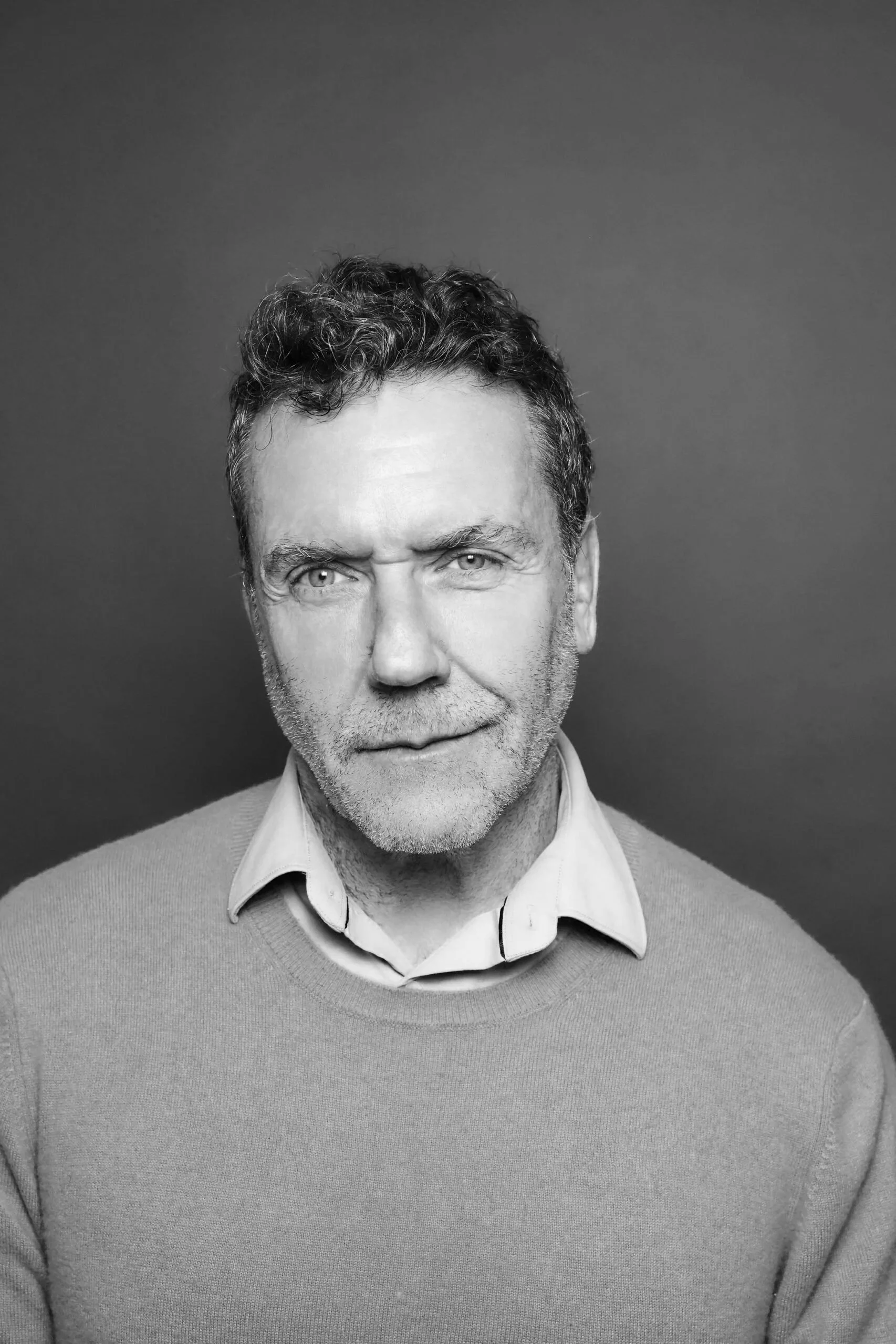
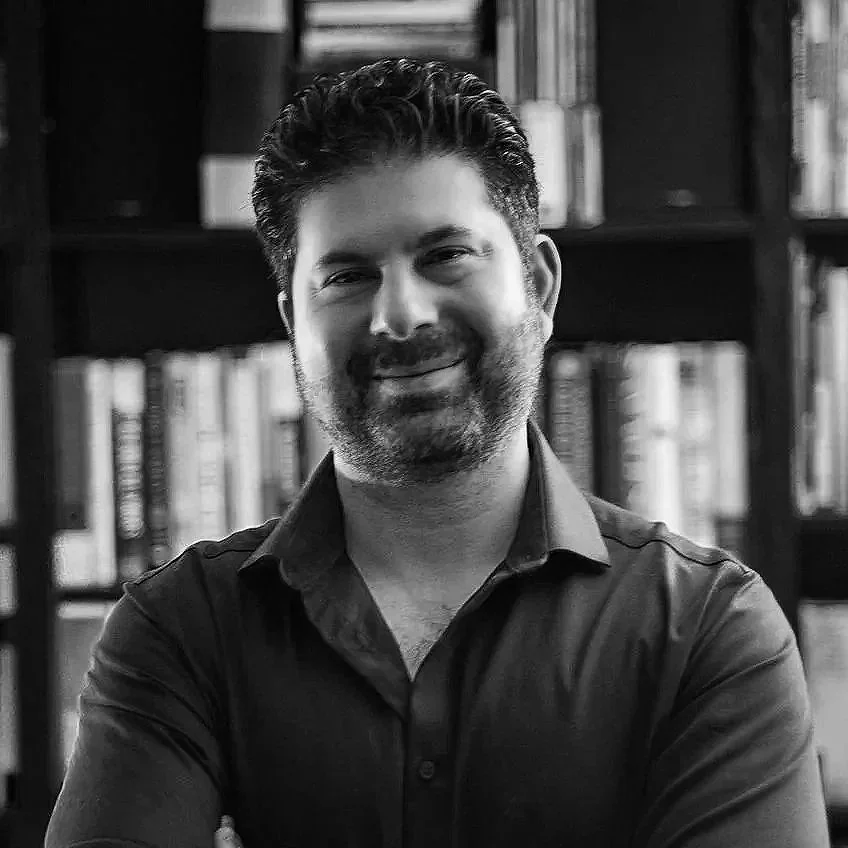
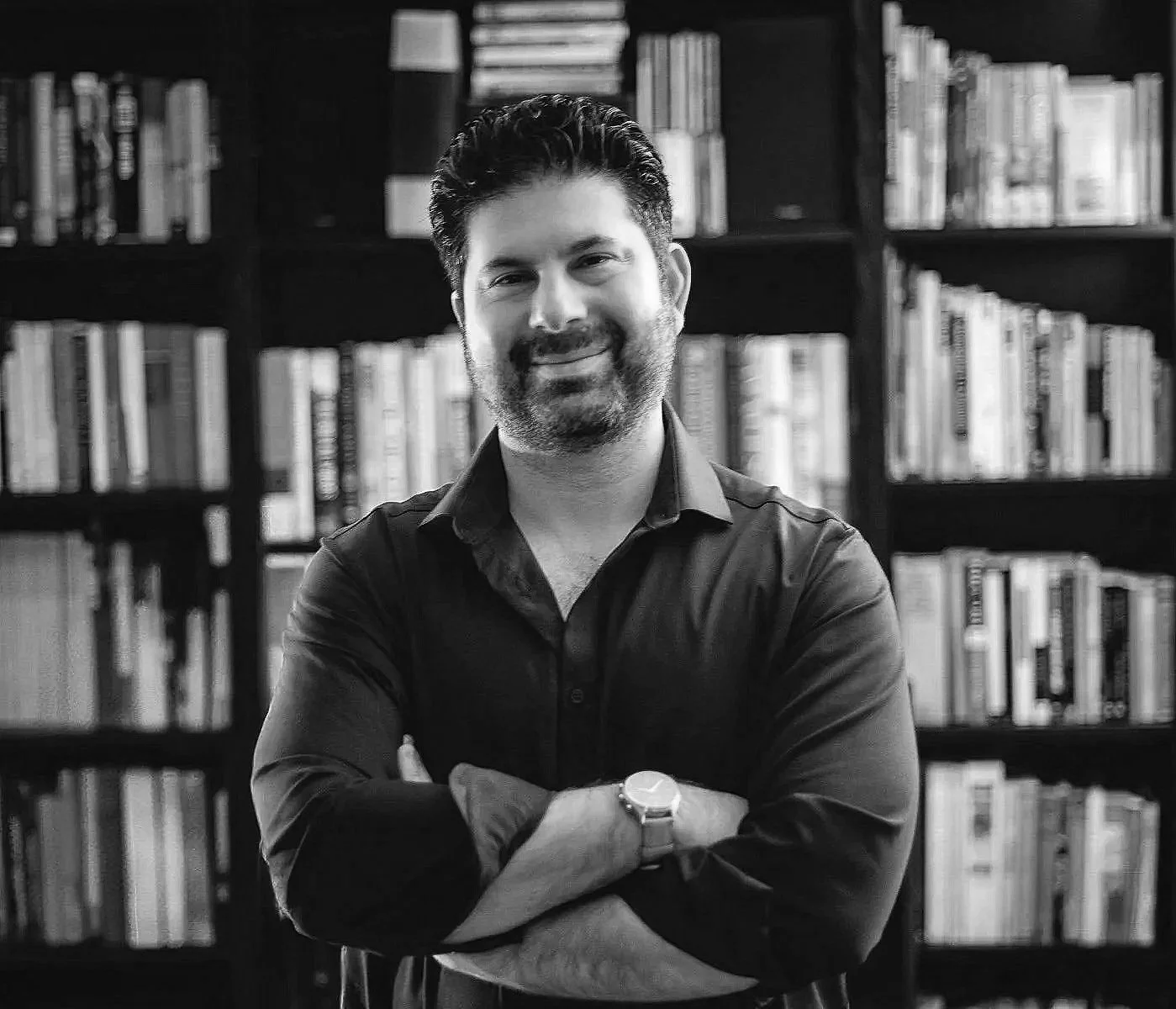
want to hear an expert’s opinion on the teen mental health crisis?! today’s guest is dr. blaise aguirre—an assistant professor in psychiatry at harvard medical school in the department of psychiatry. he is a child and adolescent psychiatrist and the founding medical director of the 3east dialectical behavior therapy continuum of care at harvard affiliated mclean hospital.
in part two of last week’s conversation, dr. aguirre reflects on his 25 years of experience in the treatment of mood and personality disorders in adolescents to share what teens in 2026 are struggling with most. he also shares actionable steps that gen z can take to improve their mental health– ranging from residential treatment to social media and ai use!
if you want to make changes with your mental health, this episode will remind you that you’re not alone– while also providing you with actionable steps you can take to build your life worth living.
we talk about:
whether residential mental health treatment is the right choice for young adults
red flags to avoid when choosing a mental health treatment option
how teen mental health has changed (and stayed the same!) over time
pros + cons of using ai as a mental health resource
the role of social media in today's teen mental health crisis
mental health advice that every young person needs to hear
mentioned:
About She Persisted
She Persisted is THE Gen Z mental health podcast. In each episode, Sadie brings you authentic, accessible, relatable conversations about every aspect of mental wellness. Expect evidence-based, Gen Z-approved resources, coping skills (lots of DBT), insights, and education in each piece of content you consume. She Persisted offers you a safe space to feel validated and understood in your struggle while encouraging you to take ownership of your journey and build your life worth living.
a note: this is an automated transcription so please ignore any accidental misspellings!
Blaise: You can change how you see the world. Yeah. Once you know something's a habit, it's a choice. You can feel miserable right now. That's just information. What are you gonna do with that information? Are you going to take that information and then do the same thing, or take that information and do something different?
What do I do with the right now of my life in order that future me will look back and say, "Thank you for changing this. Thank you for doing something differently."
Sadie: Welcome to She Persisted, the Gen Z Mental Health Podcast. I'm your host, Sadie Sutton. Let's get into it.
Hello, hello, and welcome back to She Persisted. There are more mental health programs, apps, treatment centers, and online resources than ever before, but more access does not necessarily mean better care. In part two of this full conversation with Dr. Blaise Aguirre, one of the clinicians who treated me at McLean's 3 East Hospital eight years ago, we are diving into this phenomenon.
In part one, we talked about agency, validation, and why treatment cannot simply be forced onto someone. And now we're talking about what that effective treatment should actually look like
For those not familiar, Dr. Blase Aguirre is a child and adolescent psychiatrist. He specializes in DBT and is the founding medical director of 3East at McLean Hospital. He has worked there since 2000 and is also an assistant professor of psychiatry at Harvard Medical School in the Department of Psychiatry
We are gonna be talking about how to know when someone needs residential care versus outpatient support, the questions families should ask before trusting a treatment program,
we also unpack what has changed and what hasn't in teen mental health over Blaze's twenty-five years of clinical work and how both social media and AI impact mental health treatment
Most importantly, we talk about why the way your life feels today is information, not a prediction of how it will always feel. So let's dive in
I am curious your guidelines and recommendations for parents,
or even for young adults who are making their own treatment decisions about residential. Because I think especially with those types of programs becoming more and more accessible and being paid for by insurance and popping up all over the place, I think it's something that is becoming not in-- maybe not increasingly common, but people are more aware of it as a resource and as an option.
When
you have conversations with parents whose teens are struggling or with young adults who are having a tough time, what are your guidelines on when residential is the right choice versus intensive outpatient or seeing a therapist or some people do those like week wellness retreats in the mountains?
Like, how do you kind of guide people? Because I think the perspective that 3East has is very different from a lot of treatment programs.
Blaise: I, Yeah, I, I have to, think about kind of level of need because if you can imagine that somebody is, you know, actively feeling very
hopeless and very s- maybe suicidal and they are so terrified about what's gonna happen that they worry they might act on, on certain behaviors, and
there's just not enough to contain them. So then you sort of think, " Okay, do we need more
containment? What's the minimal level of containment that's gonna be able to help this person?" Or alternatively,
maybe the person
does have some internal psychological resources to be able to manage, but their, , family of origin, their caregivers, their parents are so exhausted, maybe because of behavior, maybe because of their own behavior, their own
sort of situation, that they feel that they can't do anything about it. So I think that, you know, in both of those
circumstances, thinking about extra support, whether it's in a day program, partial program, or residential program, it's
important.
But if, if somebody can benefit from a lower level of care, then that would be ideal. But lower level of care, remember that, no one's existing in a vacuum, is the care that surrounds them the type of care that they need to get them to their goals.
And the other thing that
we've seen is because the Young person who comes to us is often struggling so tremendously,
there are many places
throughout the United States that just don't have the technology to be able to help these young people. So if you're in maybe the middle of the Dakotas, there might not be this kind of program.
So maybe they don't necessarily need residential level of care, but there's nowhere else and nobody in that area is able to work with a young person who's suffering. So
so I think, it really is looking at the home situation, the individual situation, the resources available
for that family In, in making a decision. And then the other thing to your point, is that,
and there's been a lot of criticism of residential programs. I mean, there have been celebrities who've said that they were
mistreated, even traumatized, abused in residential settings,
Is to really ask about what the technique that they're using for
Helping the child is. So DBT is a very clear treatment. Dialectical behavior therapy has got Skillsets of mindfulness to stress
tolerance, emotion regulation, interpersonal effectiveness. It has a treatment team with a therapist, with
a psychiatrist, et cetera. And people are all trained in that technology. But if you
say, I have, I don't know
Ping pong therapy and, saying, "Okay, well maybe ping pong therapy works," but like what is the research that shows that it does?
What is the
underlying mechanism? What is the theory? So one thing is for these programs to pop up everywhere, but then is like what is the underlying philosophy? What is the training? And then
there was a program internationally that said that they were doing DBT, and they have it all over their
website. This young person went to this international program. they did not do a single thing of DBT. It was advertised that way, but what they were doing was different, you know? So you want to make sure that, what people say they're doing is actually something that they're doing.
Sadie: Yeah. It's a really incredibly challenging position to be in, and you shouldn't have to read the scientific literature to figure out where to get your kid help.
Blaise: And- Exactly, yeah ...
Sadie: like
we experienced this. I had the same thing where I spent 14 months at a therapeutic boarding school that did DBT, and we did
maybe like one group therapy where we did a mindfulness worksheet. That's not DBT.
Blaise: Exactly.
Sadie: And it's really, really challenging when parents are being told exactly what they wanna hear and given all of these lists of we do all these things, and do all these treatments, and have these qualifications,
and you literally have to be
a detective and ask all these questions to be like, "You say you're doing this, but are you really doing this?"
Blaise: Exactly.
Sadie: It's really, really challenging, and that's one area where I hope there's reform and change and improvement in the mental health industry. Because
Mm-hmm ... if you get to the point of being brave enough to ask for help or if parents are in a position where they can get their teen help, you shouldn't then have to sort through and
kind of like interrogate these programs of like, "Are you offering what you're saying you're offering, and will that work for what my kid is struggling with?"
Blaise: Well, there's a business idea. Yelp for mental health centers.
Sadie: That would be great. We need
Blaise: To- Rotten Tomatoes for- Yeah ... for, mental health
Sadie: mental health centers. Yeah. Right now it's on like Reddit threads and Google reviews
Blaise: Exactly. Yeah.
Sadie: it's crazy. Speaking of teen mental health care, I think what's really unique about your experience and position is that you've seen like 20 years of mental health treatment and, teens coming in struggling with depression, anxiety, emotional dysregulation, BPD, so many different things.
And I'm really curious to hear from you what has changed in the past 20 years, because I feel like every single week I'm seeing a headline about the teen mental health crisis and something else going wrong, and something
unprecedented that teens are experiencing or struggling with or how Gen Z is worse off than any generation before. And so from your perspective, seeing
People from this cohort that are struggling more than anyone else. What have you seen change? Whether that's things like phones, social media. Is
a teen mental health crisis? Or you're like, "Nope, same thing that I saw 20 years ago, and it'll keep on going." Self-diagnosing, all of those
types of things. Are you seeing real differences? Or from the, the Truman perspective, no, it's really just the same, there's just a lot more people weighing in on it?
Blaise: Mm-hmm. Well, okay, so it's both. I mean, at a fundamental level,
so, you know, let's just say that we had somebody breaking up with the love of their
life. And actually it's 25 years, Sadie. Not only that, because I got my 25-year chair, and just- I'm excited
not to get a rocking chair, you know? I- maybe, maybe the next time I get a chair I'll get a rocking chair. But it w- it's be- 25 years and I got my Harvard's, 25-year, chair.
But 25 years ago, if somebody broke up with their boyfriend, girlfriend, significant other,
and they were devastated. that kind of pain that is expressed is identical to the kind of pain expressed today.
So that hasn't changed. when somebody is using weed, when somebody's using alcohol, the, the
biological impacts are very, very similar today as they were 25 years ago. where contemporary society has shifted things is the advent of smartphones
because, people tend to compare much more than connect.
And so, you know, you're not enough. You're not pretty enough, you're not strong enough, you're not thin enough, you're not intelligent enough, you're not fast
enough, you're not enough of person. But, you know, buy this product and then you will be. the ability to connect is just much easier.
the, the doom scrolling, the ability to,
spend hours and hours on social media is different. And so it means that being creative and taking control of your, interest is you give that up, and all you do is, you know, you sort of, scroll on social media. So, it's also given people
opportunities, of course, like, you know, you don't wanna just simply bash social media. I think
unfortunately that, AI is, in some ways making us dumber. You know, so I'm writing my 26th and 27th book now, I have to admit that, when I've struggled with certain ideas in terms of how to set it out as a paragraph, in the old days, I just used to slog it out. I used to think,
"What if I use this word? I use a thesaurus. I would change this word for that
word." Now, If I have a paragraph that I think is 80% good, rather than slogging it out, you know, I can ask one of these AI agents to say, " Here's the paragraph
I've written. Here's my intention. I need you to tweak a couple of words." Now then I'll review it and I'll say, "Yes, this was consistent with my intention."
But one of the things that I'm seeing is that people aren't even doing that work. They're, they're, they're just feeding the question into AI agents, and they're getting something back that they don't have to think about. And I've had a couple of people, that I used to see maybe regularly and are no longer my patients, but they stay in touch, who told me that they have fed in all their therapy sessions into AI,
and now these AIs are acting, are, responding to the patient in the same way that the therapist used to. It's AI.
Sadie: AI.
Blaise: Exactly. Well, think
Sadie: You gotta monetize.
Blaise: B-L-
Sadie: You gotta copyright
Blaise: A-I-S-E. Exactly.
Sadie: gotta get on
Blaise: There we go. Exactly, So, so-- And I think that that's right. And not only that, then people are also using the voice of the therapist. And, and you, gotta remember that, these agents, have no capacity for empathy because they're not biological entities.
so some of the suffering looks very, very similar. The context in which the suffering is taking place has definitely changed and will continue to change. You know, there's no stopping the river.
Sadie: Yeah.
Blaise: You know?
Sadie: I'm curious on the AI piece. We talked about how harmful invalidation can be and also how incredibly, like, I don't even know what word I would
use to describe how effective validation can be to helping someone feel supported and seen and have that level of agency over their mental health AI is
is endless validation Mm-hmm And so I'm curious your, your thoughts there, especially for Gen Z who's connecting less. You
can get those experiences validated to the nth degree at any time, any day ever. How do you see that, playing out? Is that a problem? Is it great that you can say, "You are Marsha Linehan, tell me how I should respond to this experience," to ChatGPT?
Mm-hmm. What are, what are your thoughts there?
Blaise: You know, one of the elements of dialectical behavior therapy is skills coaching, and skills coaching is when the patient,
Is struggling, in the moment and they reach out to you in the moment and say, "Hey, I need help." Now, I like to think,
and people have told me that whenever they've reached out, most of the time I've been pretty helpful. There have
been times where, say, I've been working with somebody for a couple of hours late in the evening and they're still struggling, where I'm saying, "You know what? Just go to sleep.
Just take your frigging medication
and go to sleep. We're not gonna solve this right now." So I've moved from a very validating stance. I've started to become tired. I become
a little bit more invalidating.
I'm effectively telling the person, "I've had enough. I'm exhausted. You're exhausted. We're not getting anywhere.
Let's get to sleep. We'll think about it again in the morning." Now, an
AI might then say something like, " Wow, it seems like you're still struggling. It makes sense that you're struggling." And
it may not push for the kind of change that is needed. The other thing is that in real life,
relationships, your person, your partner, your parent, your friend is going to get tired.
And so what happens is, is
that the tendency of AI agents not to mimic reality, I think interferes because the person gets endless validation, but that's not what's
gonna happen
in their real life relationships. Their friend isn't going to react in that way. And so I think that, generalized AI, is going to, you know,
be able to have annoyance, be irritated sometimes and stuff like that.
but I think that it's still, it's very hard to replace,
that biological piece. But I don't know. These thing, these technologies
are changing so quickly that, who knows? I think that that endless validation is actually not that helpful because it's not the way the world works.
Mm. Yeah. You know? Yeah. So.
Sadie: It's, it's very interesting. And again, it's like, okay, great, but at what cost? Like maybe short term,
seeing that model of like maybe it's on a worksheet, maybe it's ChatGPT being like, "If you wanted to validate that experience, here's what you could say to yourself to practice self-validation." But long term, if that's what you're relying on constantly, what are these other areas of friction that exist in relationships that are actually effective, even if they're more uncomfortable in the moment?
Blaise: Mm-hmm.
Sadie: I am really curious what you mentioned about the context in which teens are struggling is different, even if the pain itself is the same. What does that look like on third floor of East House? Because you don't have phones. People aren't on ChatGPT able to AI therapize
therapize themselves.
Is it check the facts on doom scrolling?
Is it stop skill when you're on that TikTok rabbit hole? Like how does that show up in intensive treatment?
Blaise: Well, a couple things.
We've actually moved away from no phones. So we still have no phones, but we introduce the phones much earlier on than we used to so that people can have access to the kind of technology that they're gonna be faced with.
Sadie: Yeah.
Blaise: The other thing is to actually bring those phones into session to sort of say, "Okay, Sadie, I know that you have a lot of trouble on TikTok because you're always comparing yourself.
You're looking at the numbers. You're looking,
do you have more followers, et cetera.
Okay. So open up your phone.
let's do a mindful, scan of, thoughts, of emotions, et cetera. How are you doing?" "I'm doing okay." "Okay. as you think about opening up TikTok, what is showing up for you?"
I'm, I'm noticing fear that I don't have new followers.
I'm noticing fear that people are gonna have you know, commented negatively." "Okay. Tell
me about that fear.
You know, what are you gonna do?" Saying, "Okay, observe that, describe that fear," et cetera. And so, you know, you can do that with the client in the moment. Now let's just say that every single time you open up TikTok, you're always, depressed, whereas every time you open up Instagram, you feel good, and every time you open up Substack, you feel really good.
So I'm gonna say-
If eating cabbage makes you feel sick but eating salmon doesn't, it's telling you about what to eat. If looking at TikTok every single time is making you feel sick, you're consuming energy, whether it's electronic energy or food energy, these are all energy states that you're consuming.
This one's making you feel sick, this one isn't. What's it telling you about what you should do? You know? Now, you might still decide
that you're gonna
eat the cabbage, that you're still gonna be on you
but then, you know, don't say you have a habit. Once you know something's a habit, it's a choice.
It's no longer
It's no longer a habit.
It's now, it's a choice. I am opening up TikTok. I know I'm going to be sick because I have lots of examples of that, whereas these
other ones I'm less likely to.
So it tells you something about how to engage, but I do that with them in session.
Sadie: That's really interesting, and I think, again, speaks to how different the approach is.
Because I remember spending 14 months in Montana and, maybe, like, the last
month or two sometimes
girls would have phones, and it's really challenging to translate a lot of these skills or habits or routines or relationships to completely different environments. Like, going back to
junior year of high school was not being in a boarding school with 40 girls five minutes south of the Canadian border with no technology.
Like, that's really, really different.
Blaise: Mm-hmm.
Sadie: And so I
think whatever your mental health treatment journey looks like, making sure that you're learning these skills in the context that you'll use them.
Blaise: because I had a... I remember I had a, a young woman
who came from an extremely privileged
household in the Middle East, and I was trying to get her to make her bed. And she said,
like, "Making my bed is
ridiculous because I'm never, ever, ever gonna have to make my bed." I eventually did get her to make her bed because I said, "Look, don't think of it as making your bed.
Think of it as a mindfulness exercise." but I mean, you know, and that's a bit of a ridiculous example because that, that
doesn't necessarily tend to happen here.
Sadie: But, like, in Montana, they would have us clean the chicken coop. I don't need to do that at home. We don't have
Blaise: Exactly.
Exactly. Why are we doing this at school? Exactly. So, and again, it sort of reminds me of the Karate Kid, you know, wipe on, wipe off.
I don't have,
a car dealership. Why should I have to do that? At the same time, if you're using that experience as a mindfulness experience, as it's saying,
Cleaning, chicken coops teaches me about how to deal with life, that might be okay.
Yeah. But, you'd have to contextualize it because if you say, "Look, you're gonna learn all these things that you're never gonna use," then what's the point? So we do want people to learn skills. How are they going to apply them to the fabric of their specific lives?
Sadie: Mm-hmm. Wrapping things up, if you had one piece of advice you could give Gen Z, especially those who are struggling with their mental health or are feeling tired or overwhelmed, or burnout is what people are kind of vocalizing a lot, especially if they're not in that,
actively struggling, actively suffering, really in the mental healthcare system, but kind of more that, like, general Gen Z discomfort, struggling, what advice would you give them?
Blaise: Mm-hmm. my worry is, is that for many of them, they feel
there's an inevitability to their lives and their experience.
That experience is not a blueprint and it's not a roadmap. It's only information about this present moment, and
it's to say, "This is how things are right now." It might feel very similar the next moment, but, you know, what do I do with the right now of my life? In
order that future me
will look back and say, "Hey, remember you one month ago? You were staying in bed
and you thought I should stay in bed and how miserable I am?" Future me doesn't want to feel that way, so I'm going to get up
out of bed every single day and do something so that future me can look back and say, "Thank you for changing this.
Thank you for doing something differently."
So what I'm saying is It's not a destiny. Your present moment is not a destiny. It's not a destination.
It's not a blueprint. It doesn't tell you how your life is gonna turn out. You can feel miserable right now. That's just information. What are you gonna do with that information?
Are you going to take that information and then do the same thing, or take that information and do something different?
Sadie: Yeah. I think that is my one, like, magic wand waving, what could we give Gen Z is that agency piece, because I think it really does feel that way, like everything's been decided. We're the anxious generation.
We're in a mental health crisis. We're unemployed. Everything's a disaster. No matter what you do, it's not gonna get fixed.
Blaise: Mm-hmm.
Sadie: I
think that, belief, in your individual life that, like, no matter how hard I try, I'll struggle, and also in, like, our broader society, no matter how hard I work at this issue that I'm passionate about, it won't change, I think is really, really discouraging.
And why would you try if nothing's gonna be different?
Blaise: So
Sadie: I think especially when there are so many narratives about our lives, it is really important to remember those things are information, not a, destiny
Blaise: yeah, and here's another thing is, is that, you know, you can even do this right now if you sort of think, "Okay, this is what I think is gonna happen." But if you keep looking in that direction, you know, the likelihood that things are gonna change is, is pretty low.
Stand up, turn around, look the other way. You've already changed your perspective.
Sadie: Hmm.
Blaise: you can
start looking at things. Buy yourself rose-colored glasses, you'll see things differently. Start crawling around on all fours. You'll see the world through a very different way. You can change
how you see the world-
Sadie: Yeah
Blaise: by changing your physical position, changing your emotional position, changing your cognitive position.
Sadie: Are you on TikTok? Do you like to scroll through the For You page or no?
Blaise: I, I don't.
Sadie: Have you seen the video with babies where parents will pick up their, like, six-month-old baby
and show them, the top of the kitchen cabinets and be like,
"Showing my baby my place in our house that they've never seen before."
Right. Because they've never... They're not tall. They're
Blaise: Exactly. and, we're all babies because there's so many things that we haven't seen around the world. You know, we send astronauts up into space and they look back
on this tiny planet, and they think, "What the heck are we doing?"
You know? Or you go and visit another country.
and again, you don't have to have tremendous
resources to move and go and visit another town. Go and sit in In the library of a new town.
Go to the city square of a new town. You know? jump onto a, a bus and go to a new place and just see the world through a different lens.
Sadie: Yeah. Well, thank you so much for joining me for our second part, of She Persisted. I'm so glad we got to do this.
If people want to get your books, follow along on social media, where can they do that?
Blaise: Yeah. So, again, I, I think that these days, most books are sold online through any of the major retailers.
And my social media's @ blaiseMD.
I've had it more professionally curated in recent times, but, you know,
It's interesting because I
both want to share ideas through social media, but at the same time, I would much rather sit here and talk with you one-on-one, than necessarily spread a message.
But you have to find that balance because that's the way that some people get their information, you
Sadie: true. There are so many, like, messages and comments I get, especially about our initial conversation for people who are, like, looking for treatment programs or trying to find a DBT program for their teen, where, like, that's the only glimpse of, 3East that they'll get, and it's so valuable.
And so, like, something over nothing. If it's one video on their For You page, great.
Blaise: Sure.
Sadie: It's better than nothing at all. Well, thank you so much for joining me and making the time. I'm so glad we got to do this.
Blaise: Yeah. It was awesome. It was lovely seeing you, Sadie. For sure.
Sadie: I really hope you guys enjoyed part two of this conversation. If you didn't listen to part one, I will put that link in the show notes Blaze absolutely changed my life, saved my life, and I hope that this conversation in a small way can help you similarly reframe and look at things with a different perspective.
it was so full circle to have him back on the podcast six years after our first conversation. And I'm so grateful to him for taking the time. So if you enjoyed this episode, send it to someone who is navigating mental health care or supporting someone navigating mental health care. Leave a comment, subscribe, share, leave a review. All those things really help out the podcast
And it means the absolute world to me. So with that, I'll see you guys in the next episode
Sadie: If you enjoyed this episode of She Persisted, make sure to leave a review, subscribe, and share with a friend or family member. Follow along at at She Persisted podcast on TikTok, Instagram, YouTube and more for bonus content. Thanks for listening and keep persisting.
© 2026 She Persisted LLC. This podcast is copyrighted subject matter owned by She Persisted LLC and She Persisted LLC reserves all rights in and to the podcast. Any use without She Persisted LLC’s express prior written consent is prohibited.














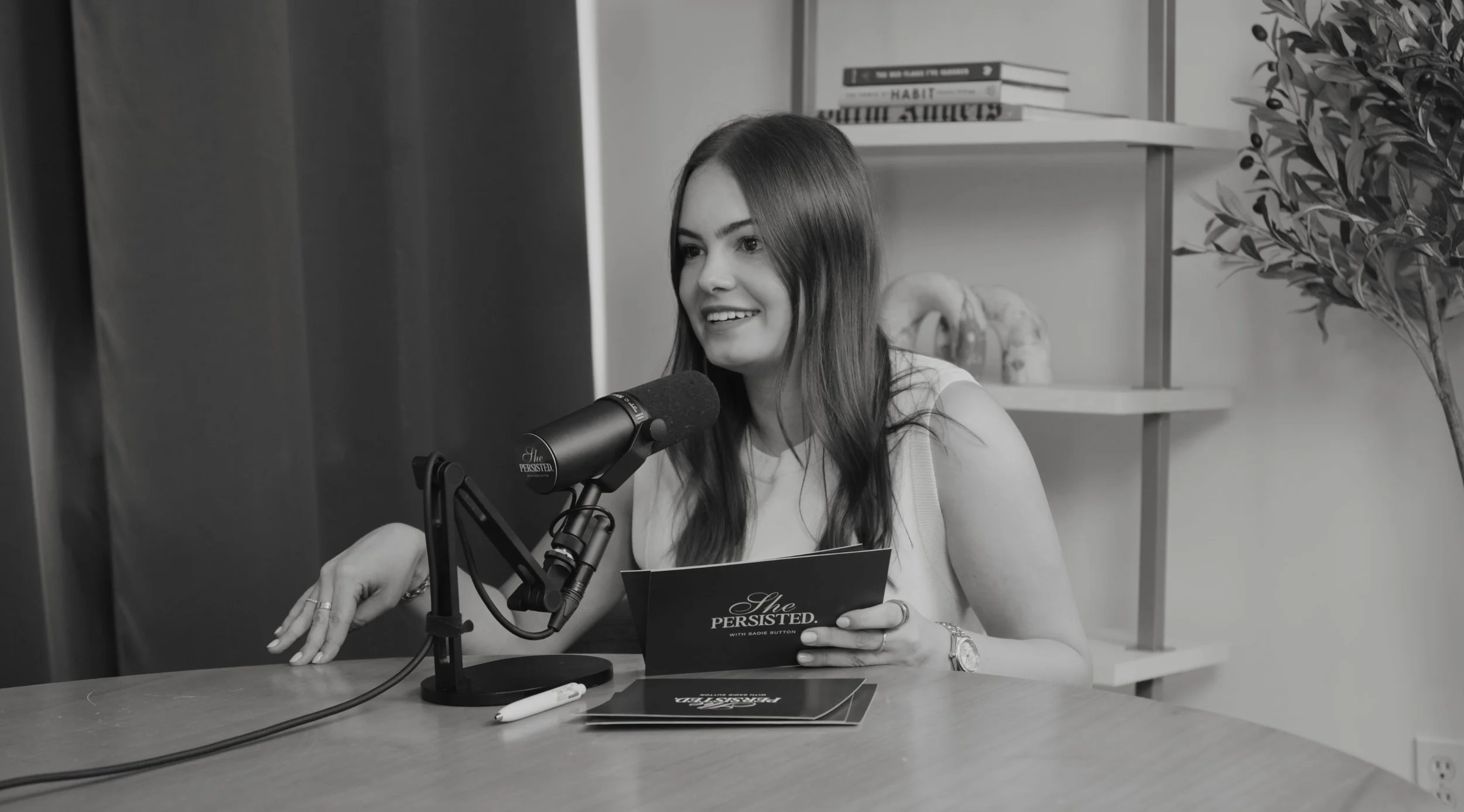

if you know what you need to do to improve your mental health, but struggle to implement these changes into your life, then this episode is for YOU. today’s guest is shireen rizvi— a licensed clinical psychologist who has conducted research and training in dialectical behavioral therapy (dbt) for over twenty-five years. in this episode, dr. rizvi and i discuss how to implement dbt skills into your daily life. whether you’ve never heard of dbt before, or you’re a dbt expert, this episode isn’t just about learning the skills— it’s about figuring out how to actually apply them in your life. because while awareness is a crucial step in mental health recovery, it’s not the only step that matters.