
259. why you feel LOST after graduation (what actually helps!)

listen to this episode:
Tune in and subscribe on your favorite platform: Apple Podcasts | Spotify | YouTube | Amazon | GoodPods | Castbox | iHeart Radio | overcast | pocketcasts
i’ve recently made a big career change and learned a LOT about my mental health along the way… so let’s talk about it!
in this solo episode, i’m explaining what sparked this transition in my life & how i’m planning on optimizing this period of change to improve my routines, habits, and overall mental health.
so, if you’re also going through a major life shift in your 20s– or are wanting to figure out whether you should take the plunge into a new chapter of life– here’s how to do so while optimizing your mental health!
i talk about:
the career shift i’m making & why!
my advice for college students & post-grads facing career uncertainty
why new beginnings are the perfect time to work on your mental health
mental health areas i’m prioritizing in this new season of life
staying motivated as a post-grad (vs. as a college student)
a mindset shift for improving your mental health habits
defining what makes my life worth living
journal prompts for goal-setting, career planning, & more!
mentioned:
About She Persisted
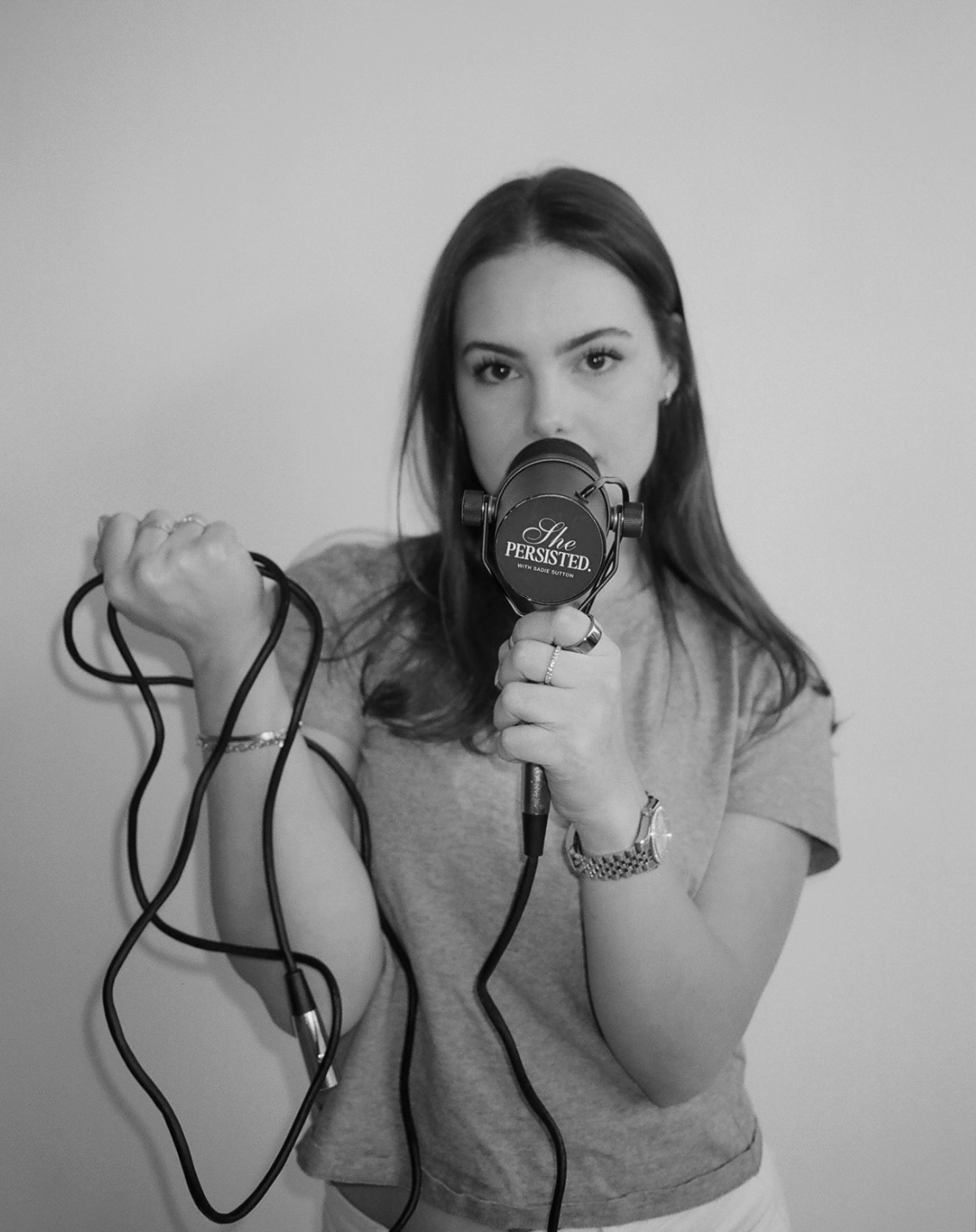
She Persisted is THE Gen Z mental health podcast. In each episode, Sadie brings you authentic, accessible, relatable conversations about every aspect of mental wellness. Expect evidence-based, Gen Z-approved resources, coping skills (lots of DBT), insights, and education in each piece of content you consume. She Persisted offers you a safe space to feel validated and understood in your struggle while encouraging you to take ownership of your journey and build your life worth living.
a note: this is an automated transcription so please ignore any accidental misspellings!
If you're in your 20s or just starting college or you're in post-grad, we forget that we have that choice. Just because most people do this path, or just because you thought that was what you were gonna do, doesn't mean you have to do that thing. A lot of us, when we think about our life worth living, we have this list of all these things that we would do if we were super motivated and everything went our way.
But we don't necessarily need all those things to continue to function well. I want you to think about your goals and your mental health from that standpoint. What is my next step if I stay on this path? And is that next step where I wanna go?
Hello, hello, and welcome back to She Persisted. If you didn't notice, we took a little bit of like a break hiatus. We had like a month and a half, two months where we were not uploading new episodes. And I wanted to do a sit down, old YouTube style, catching up with you guys, what's going on, what's to come, and just kind of orient you guys to where my life is at 'cause I feel like it's pretty different from the last time we checked in.
And I also feel like this season of life and change is something a lot of you can relate to. I'm gonna release this midsummer. So we're going back to school, we're starting at a new school, maybe starting college, starting a new job, lots of changes going on.
And I also imagine that a lot of you can relate to, the exhaustion and fatigue that I feel with mental health being, like, another to-do and another project and another thing to schedule into your life.
And that is something that I absolutely do not have the time and bandwidth and willingness to do. Not to say that I don't do things for my mental health and maintain my mental health and try and put myself in a good spot, but it's not something that I rely on willpower for or something that I try and check boxes for.
Instead, I do as much as possible to build into my daily routine, which you guys have heard me talk about, but we're gonna goal set and talk about how I'm doing that in a new job, in a new city. so last time we talked, I probably still was in the frame of mind of I wanna become a psychologist or a clinical psychologist. Over the past year, I've worked as a full-time post-bac or post-baccalaureate, and I'll put a link in the show notes to two episodes that I did with one of my best friends from college, Olivia.
We're both psychology majors. We're both currently doing post-bacs. we talked about kind of what that job is and what you have to do if you want a career in psychology research or if you wanna go to grad school and get your doctorate to practice as a psychologist. And what a lot of people choose to do is a post-bac, because you get a lot of hands-on experience in a relatively short amount of time, so you're able to work with real people in their communities.
You're able to practice diagnosing or assessing them and doing hands-on experience and training that you don't necessarily get as an undergrad You also are able to do a lot more from a research standpoint, so potentially first authoring posters that you get to present at conferences and maybe writing a manuscript, collecting your own data, things that again are hard to do as an undergrad with eight to ten hours a week to help out in a research lab
And if you are considering a career in psychology, especially one where you would go to grad school and get your doctorate, I highly, highly, highly recommend doing a post-bac. everyone will tell that to you. I was like, "No, like I know what I wanna do." I've worked as an RA in undergrad.
I know that it's helpful to have that in-between period of life where you're not in school, and you just kind of get into the swing of things and are on your own. But like, I'm sure it would be fine to just go straight through, and I tried. I did the full application cycle to try and go straight from undergrad to grad school, , got wait-listed.
But I really had a great experience with the application cycle, because it forced me to really articulate what my goals were, what I was interested in, what I wanted to do. I got to connect with some really amazing individuals, and have kept up with their research and all the amazing projects and initiatives they're doing.
And it also made me super prepared to enter the job market, because your materials for grad school and your materials for filing post-bac are pretty similar. And so I had a lay of the land and everything ready to go when it came time to like submit applications to labs. All this to say, I landed at a depression lab, and what we specifically study is the intergenerational transmission of depression with attention as a specific mechanism of risk. So in normal human language, How might attention be the thing that means that depression in moms is more likely to also occur in kids? Or how might attention in babies be different if their moms are depressed?
That's kind of what we look at and what we study, and so not only was it like super, super hands-on, which was so incredibly helpful and cool, I also had a lot of peers. I had five other postbacs at the same time, which is pretty rare, but really awesome if you can have that happen because there was that built-in sense of friendship and community.
And I also had a really great boss who was really supportive of what our interests were and what we wanted to do and what we wanted to learn more about. We could do posters on topics that we were interested in, first author papers using data that had been collected in the lab. All those like little check boxes of what I was hoping to find in a postbac, which again, you can listen to those episodes with Olivia for more info.
And as I've mentioned on the podcast, when I started undergrad, I knew I wanted to go into mental health as a field.
I wanted to be a therapist, a clinical psychologist. Had no idea that you had to do research to do that. But I was like, "Okay, that's how you become a psychologist? I'll do research." And I found I really liked it. And then I was like, "Okay, maybe I'll do more of this research and then also potentially practice as a therapist."
And once I started this job and I started doing clinical interviews and assessing and diagnosing people's depression and their life stress, I was like, "So maybe I'll just do research." And this is the part of the postbac where it's like you gotta do it because you don't know unless you try. I was like three years into research as an undergrad, really went from thinking I'll do this research thing to get to the other side and work with patients to being like, "No, I really love the research side of this.
I don't really wanna work one-to-one on the individual patient side of things. I love these big questions and big answers and big ways of thinking about these problems that we collectively experience." I find myself more drawn to answering these questions at a really large scale. Not just what do 300 people tell us about this specific happening,
but what do tens of thousands of people's experience tell us about this thing? And how do we talk about this collectively as a society
And also the technology piece of how different mental health care and mental health resources look in 2026 with AI, and the fact that a huge number of people are using ChatGPT or Claude or other mental health tools for mental health support, even if that's not what they're designed for.
And this gap between providers and demand, and the fact that if everyone in the United States who is currently struggling with a mental illness went to their local therapist's office and tried to receive help, we would never be able to meet that demand and because people are already using these tools as a way to get mental health support, imagine how we could potentially close that gap
if we design tools and resources actually for mental health care and for mental health education and
preventative interventions. And as I kind of realized that my interests were shifting and that the current role that I was in maybe wasn't perfectly setting me up to do that thing, I've tried to not put too much pressure and stress around perfectly articulating what I would wanna do.
I found myself doing that a lot as I would go through grad school application cycles. I did two cycles. This fall would've been my third. And each time, when you're writing these essays and your personal statement, and you're making your case to work with this specific professor on this specific project answering this specific thing, you're really pigeonholing yourself into a certain area.
And yes, your mentors know that your interests might change and shift and adapt, and maybe their grants might evolve and change over time, but a lot of that process is really aggressively defining what you're interested in for the foreseeable future. and as I was going through the grad school application cycle, I found myself really struggling to do that.
Not because I wasn't interested in these things, but because I didn't really fully understand myself, like where the exact passion was and what exact problem I wanna solve. There was a lot of things that I was drawn to and could see fitting, but nothing was like that perfect, exact, amazing fit that I understood so well that I could perfectly describe it and sell it to someone.
Like with She Persisted, I feel like I can do I went through a year and a half of intensive treatment. I lived the struggle to the nth degree as a teenager. I experienced firsthand what incredible, amazing mental health resources are out there, and also the other end of the spectrum, and I wanted to make those available and accessible to teens that they could hear from a peer rather than another adult telling them that things would change and get better and, "Just stick with it.
I promise you'll get to the other side."
But with my research interests and potential grad school stuff, it wasn't as easy to, like, describe and articulate, which was a good kind of signal that, okay, maybe I don't know yet, and maybe this isn't, the perfect fit or 100% what I wanna do, and that's okay. And you guys have heard this on the podcast before, and especially you've heard it live, IRL, straight from the source.
You should listen to Angela Duckworth's episode where she talks about being a paramecium, and the single-cell organism that just goes towards warmth. It goes towards what it needs to survive. And what if we applied that same principle of just going towards what we like and what energizes us and what gives us inspiration rather than draining us throughout the day?
And that's what I've been trying to do, is with this next stage and next step, is just go towards things that keep me energized and interested and trusting myself to put together that perfect defined interest statement and next step along the way. So with that, I am leaving my post back after a year.
I'm moving back to Philadelphia.
I'm gonna work in a lab at Penn and do some of those other things that I mentioned, like really large scale research, like hundreds of thousands of people rather than 200, and using social media to disseminate psychology and education about mental health concepts and supporting postdocs and grad students on research questions about AI and agency and Gen Z mental health and how these things fit in together.
And I have trust that by being in those situations, just like I put myself in the ideal setup for clinical psychology with this post back, I'll also figure out what I'm drawn to and what I'm interested in and what that next step will be. I think it'll be potentially working at a mental health startup and getting involved in industry in some capacity, but I don't know.
And we're not putting pressure on it. We're just continuing to go towards the things that we like and enjoy and that keep me motivated and excited, which is the podcast, and continuing to connect with all of you and do interviews with the experts and talk about my own experiences. And then also on a day-to-day basis disseminating psychology using social media and conducting large-scale research on how we as a society are responding to things like social media and phones and all of that kind of stuff.
So I'm really excited. I can't wait to be back in the city, back in Philadelphia. I've noticed over the past year how different my day-to-day life looks living, like, in the middle of nowhere, upstate New York, versus being in a city, and I think it'll be really great for me to be back more in the hustle and bustle of things and have more to do and, more commitments on a day-to-day basis.
I find that when there's more happening and more throughout my day, it's easier for me to get things done, and there's less, like, that looming pressure over my head of, I have six hours and this one thing to do, and I don't wanna do it now. I'll do it later," and then it never gets done, and then I'm stressed and procrastinating.
It's like a vicious cycle. And so I'm excited to be in a different context that I think will kind of be more aligned with that and be surrounded by peers and a work context that is really aligned with what my interests are, and just learn as much as possible and help out as much as possible and provide as much value as I can over the next year So I'm leaving one job and pivoting to another job, another research role, with the goal of learning more and trying to understand what I wanna do next, and not putting too much pressure on that, not trying to define that.
And also with the reminder here of like you always have that option. Like typically postbacs are two years, and I don't know how contracts work at every single postbac in every lab in the world, But I didn't specifically sign a two-year post-bac contract. It was implied. Most people stay for two years, but you don't have to stay for two years.
And as I started to find that my interests were drifting, I was open about that. I communicated that to my peers and to my boss and to my mentors, and asked questions about what they thought and what they recommended, and did the uncomfortable thing of being like, "This was gonna be two years. I thought I was gonna be here for two years and apply to grad school and get my PhD in either psychology or clinical psych, and then do the next seven years of life like that.
But I'm actually not. I'm gonna leave early and move again, and pivot, and just try and figure out what I wanna do." And if you're in your 20s and you're just starting college, or you're in the middle of college and declaring a major and figuring out what you wanna do, or you're in post-grad, I think we forget that we have that choice.
Like, yes, there are certain barriers and constraints of like, we need health insurance, and that's an important thing. You need to be able to pay your rent and buy food , and continue chugging along in life. But also, just because most people do something for a year or two years, or just because most people do this path, or just because you thought that was what you were gonna do for the past five years, doesn't mean you have to do that thing.
And so if you are not 100% sold on your current trajectory and your current path, that is one of my best pieces of advice, is to like make that quote-unquote decision and see how you respond to it. Do you feel kind of discouraged and a little bit de-energized about the prospect of continuing on this current path when you know there's a better one for you? Or do you feel like that sense of loss, of like, I'm gonna miss this.
I miss these people and this place and this project and this direction, and going this other way actually feels like it's taking something from me"? And it can be both, but which one is kind of the stronger signal? And it was really interesting for me to see how that played out and then see the like mental health and emotional impact of knowing like, "Okay, I'm still on this current trajectory for whatever number of months, but I know that that's not as aligned as it could be, and there's something better for me in the future, but I'm still figuring this out and continuing."
And that misaligned sense of purpose was like a very interesting emotional thing to kind of process and work through over the past couple of months. So kind of stressful, kind of a lot happening. There's a lot of moving pieces and travel and being around to see family and different work commitments And also a really great new opportunity to set myself up for success when it comes to my mental health
And if you guys are longtime listeners of the podcast, You know I've done a mental health book club series in the past. We're gonna bring it back. There's this incredible book from a Penn professor, Dr. Katie Milkman, and it's called How to Change, and it talks about all the ways that you can change your behavior and thoughts and habits and things, one of which is being in a new place, in a new environment, and, like, having an official start and doing things at that time.
So we'll do an episode where I go through that book and give you all the advice before we go back to school. But because this is a new job in a new city with new people, it is psychologically the perfect time to look at my mental health goals and habits and routines and try and change those for the better. And so I wanted to kind of go through what I'm focusing on and how I'm doing this without it being another to-do or another job or another thing that I have to remember to stay on top of.
So whenever I'm setting a mental health goal, I always start with awareness because awareness leads to action. If we don't know what's going wrong or what's going right, we can't change or keep it consistent.
And so rather than having, like, this abstract goal that someone else has set that I've decided I want to adopt into my own life, like I'm gonna get 7,500 steps a day because endorphins, I'll be like, "I notice this thing in my life, and so as a result, I'm going to adjust this instead." with all of these, like, big changes and happenings and moving pieces with my mental health and life over the past couple of months I've noticed a couple things that I'm kind of triaging as like these are the focus areas, this is what I wanna work on because it'll have like the biggest impact.
It'll move the needle more than me writing five affirmations in a journal in the morning. The first one being my sleep. I have an absolutely horrible habit of reading on my phone. I have a lot of books, I have a Kindle. I instead am in bed or on the couch on my phone with the normal, not like low brightness, but it's still blue light, reading on my phone until I go to bed.
I know this is bad, I know it's not what you're supposed to do. My phone is literally right next to me in bed all night. This is like not catastrophic. There are worse things. There are bigger fish to fry. But for me, my sleep is like the number one non-negotiable foundation for my mental health.
Like that is a load-supporting beam. If that goes, I'm irritable, I cause conflict in my relationships, I don't have energy to engage in things that give me a sense of purpose and mastery My mood is lower. Everything kind of just falls apart.
I know that my sleep is later and later, and my snoozing is more and more because I'm on my phone right until I fall asleep, and my phone is right next to me, making it very easy to snooze in the morning.
So how I'm approaching this as a goal is doing something that's very tiny, it's very sustainable, it doesn't require effort or work or willpower. And what I'm going to do to address this is I'm going to put my phone across the room. I'm gonna put my phone in a location that requires me to physically get out of bed to pick up my phone. So when my alarm is set, to snooze it, I have to get of bed. When I'm falling asleep at night, I can't read on my phone because it is across the room and I'm in my bed.
Is this potentially gonna be like a little bit sad, a bit, "Oh, I can't read on my phone. I'm gonna have to pick up an actual book, or I'm gonna have to read something else"? Maybe. That's okay. We can do that. We can do hard things. And I know, without trying this, because I've done this in the past, it has a really positive impact on how long it takes me to fall asleep, how well I sleep, how many times I snooze in the morning, and how energized I feel when I wake up, all with that like tiny little shift.
So that's goal number one. And with this living in a new apartment in a new place, it gives me the perfect opportunity and time to like set that as a rule Goal number two is movement. I've not been to the gym in months. My daily step count is probably, like, 2,000. When I tell you guys I probably spend 45 seconds a day outside, I wish I was lying. I'm not. Because I get up, I go to my car, I drive to work, I walk 45 seconds...
not even that. I walk 22.5 seconds to the front door of work. I sit in my office all day. I walk around the office, and then I go home, and I walk the 22.5 seconds back to my car, drive home, in the garage, and then I'm in my apartment. 45 seconds a day. Very minimal steps walking around our little office building.
And this is a goal, but it's not even something that I'm gonna have to do. If I'm showing up to work, if I'm living my life, if I am getting myself to the places that I contractually have to be, it's gonna happen, which that I will get more steps. And I noticed this was a huge difference from being in college and having to walk to lecture halls and walk to classes and navigate campus, versus now driving to work and having, like, a much more solitary lifestyle.
And so this isn't something that I'm approaching to try and change this habit and behavior in this current role, in this current job, in this current environment. Instead, the goal is I want more movement, and the change that's happening is that I'm living in a city, and it's gonna me to walk to the train station or walk to work, and I am gonna have to walk around campus to get to different buildings and get coffee in the morning
That behavior and that outcome of more steps every day is just part of that daily routine. Like, I can't get to work and do what I need to do without getting steps in the process. So without me doing anything other than just this thing I've already committed to, I am meeting that goal. And I don't have a number for myself.
I kind of want to see what the baseline is as far as how many steps a day I get just in this new daily routine, but it's already gonna be vastly increased from my 2,000 steps and 45 seconds a day outside. So that's another one
another thing that I've noticed a lot over the past, like, six months, year, which isn't new, but it's definitely increased in intensity, is hair pulling. Talked about this before. It's something I've struggled with, and it's kind of, evolved and changed over the years. It was something that was, like, there in treatment, but it's definitely been the most intense that it's ever been over the past year.
And I remember in college, around finals it would be more of a thing, and what's interesting is that it's now not necessarily related to stress. It's kind of more related to, like, nothing is happening, I'm bored, I'm doing something else, like I'm reading a book or I'm watching TV, and then that behavior happens, automatically.
And it's not that I'm sitting there, then I just magically start, pulling at my hair. It's like, no, I will run my nails along my scalp and I'll feel, like, areas that feel irregular to somewhere else, and then that's what I'll fixate on and pick at, and then hurts.
I have to pull the hair out of that spot. It's not what it's supposed to feel like. This will alleviate it. And then because I'm running my nails along my scalp, it's creating more irregularities, which it's a self-fulfilling cycle. It's vicious, it's a bad loop. And so the goal there, based on that observation, and I got this tip from my hair stylist, my hairdresser, Tom.
Love you, Tom. You are the best. Tom is bald, and he was like, "Oh, my gosh, I've had that happen as well. What I do is I get Neosporin," and the Neosporin with, like, pain reliever, with, lidocaine, and there's another one. It kind of has, a purple thing on the bottle. And he was like, "That gets rid of it."
It's not that you have to, like, continue picking at the spot. Putting a little bit of this Neosporin with the pain reliever takes down the inflammation, it takes away that pain that becomes, a trigger itself, and it makes it go away. And it works. Tom is onto something. So I have my little tube, pain reliever Neosporin.
I have my Q-tip. And instead of pulling at that spot and continuing to, bother it and go at it with the nails and pick at the, the hair that's related to that area, instead I go in with my little Q-tip and my Neosporin and I put that on the spot. And this one is a little bit more effort. It's not like, oh, I'm just now just gonna get more steps because this new job that I'm in and the commute that I have result in me getting more steps. Like, I am switching the behavior. But I'm doing it in a way that is still reinforcing, it still gets that need met, and I'm trying to make it easier for myself by, like, keeping my nails short and not putting myself in that situation where I'm feeling bored and then engaging that behavior, if that makes sense
another thing that I've noticed is that early on in starting this job that I've had for the last year, it was easier for me to come home from work and do more work, , i edit social media clips and videos and run people's social media accounts as like a fun little side hustle moment.
And in the college routine and environment, you're kind of always on. There's always something you could be doing, whether it's studying for an exam or getting ahead on an assignment, or you have friends to see, or a club meeting, or if you're working, you have stuff to do for that.
Like, there's never a time where you're off. with a nine-to-five, depending on what kind of role you're in, that's really different. Like, for me, when I leave the office, I'm done.
Like, I truly mentally am off. And in the earlier stages of work, like over the summer after I had, just graduated college, I was in that mental routine and cycle of like, I'm kind of always on, there's something to do. And I've noticed over the past few months, I've shifted to this like nine-to-five cycle type thing of once I get back home after work, I don't wanna do more work.
It's kind of gone from this college, there's always something to do. I'll work on those extra video edits after I clock out of the nine-to-five to like, well, the nine-to-five is over. I don't really have the energy and the motivation right now. I'll do it later. I'll do it this weekend, blah, blah, blah
And instead of being like, that's bad, like why am I not having the same motivation or productivity? Instead, how I want to approach this is trying to move that work window where I get those things done earlier in the day. So instead of fighting against myself to be like, I need to do these things and I'm exhausted after work and I'm hungry and I don't want to do anything but sit on the couch, but like I need to get that video edit done, instead moving that into mid-morning when I'm motivated and have that momentum.
Or another thing that I've done that's been really effective is staying a little bit late after work, finishing the task, and then going home. It still is doing more work after work, but instead of going home where I've, conditioned and signaled to myself that, this is relaxing time, this is not working time, this is hanging out time, I am using, like, the situation that is the office that I've trained myself to know is where work gets done, and I'm focused, and I'm doing things, and using that context to get things done, and then going home as the reward.
So that is my current, like,, intention, and plan, and goal there of continuing to keep that boundary of like, okay, if I'm at home, I'm not doing work on stuff unless I'm, genuinely motivated and inspired to do it. And if there's actual outstanding to-dos, I do those either earlier in the day when there's that momentum and motivation, or I do it after work but before I go home.
So working, like, with myself rather than against myself because I find when I tell myself I'm gonna record that podcast after work, or I'm gonna edit those clips, or I'm gonna finally get that thing done, when I don't do it, it's a lot of shaming and blaming of, like, I've done this before.
Why can't I do it now? And so instead of just solving it from like, okay, I'm already doing a lot of work. I work a nine to five. I get things done during the day. How could I maybe lean on that and build it into that routine rather than fighting against myself and trying to force myself to work in this period of time where clearly that's not the priority or when I have the bandwidth?
And like I said, a lot of these things are things I've tried before, I've just gotten out of the habit of doing. So I know that works for me to stay a little bit later after work and get things done or just not go back to my apartment until I finish that task or adjust my work routine so, like, I'm working on something on my lunch break during the day rather than at eight PM at night when I'm tired and just wanna be done with things.
And the last thing that I want to mention here is more of kind of a mindset and a framework rather than a goal itself, which is thinking about what is, the minimum viable product versus the best possible outcome when it comes to our mental health habits. A lot of us, when we think about our life worth living or our mental health goals or what a perfect day looks like when it comes to, like, our wellness routines and habits, we have this list of all these things that we would do if we were super motivated and super energized and everything went our way.
But we don't necessarily need all those things to continue to function and continue to function well. And so rather than thinking about, like, what would my day and routines and responsibilities look like if everything went right, but what needs to happen to keep me moving in the right direction without adding any extra, stress and bandwidth and mental load?
what is literally, like, the minimum viable product, the least possible number of things that I can do to keep myself on that upward trajectory and keep myself moving in the right direction, rather than adding to that, exhaustion and fatigue and procrastination when your mental health just becomes another to-do.
So for me, that's getting enough sleep. It tends to be, like, eight hours.
It's making sure that I keep my medications filled and that I don't have, days where I don't have my medications because they don't work if you don't take them. And so I make sure that I keep those up to date and on time and remember to take them as a routine I have somewhere to go and be five days a week, people to engage with at work, somewhere to show up to.
I find that I mentally struggle when I have like days on end where there's nothing to do and not that sense of purpose and commitment and momentum
Having something that I'm continuously working towards and seeing progress at, and sometimes that's work, like working on a big project and seeing things continue to move. Sometimes it's the podcast and hitting like milestones of this many people have listened, or this video did really well, or this episode really resonated with people
And sometimes that sense of improvement and motivation is more hobby stuff, like doing my nails or flower arranging or reading a new book or watching a new show. How am I moving and gaining something by improving and getting better and absorbing new things?
And then the last piece there that I would say really comes to mind is the relationship piece. Do I have people in my life , that I feel seen by and I feel understood? And I also am showing up in their life in a way that they feel seen and cared for and supported
And those pieces, that's really the minimum viable product. Like best case scenario, sure, I feel this larger sense of purpose of things I'm working, towards long term, and I feel super loved and seen, and it's reciprocal in my relationships, and I feel super engaged and part of a community.
And I have a bunch of things on the horizon that I'm looking forward to and counting down the days to. And I have all these hobbies that I'm doing, and my morning routine is super on point, and my night routine is [00:29:00] going exactly how I want it to, and I'm getting movement, and my nutrition needs met, and all of this kind of stuff.
Sure, that's the best case scenario. But when I think about like what is the least I need to do to get the outcome I want when it comes to my mental health? It's like sleep, it's meds, it's going somewhere and doing something most days of the week It's feeling like I'm moving in some direction with something, and feeling like I'm seen and heard by others in my life.
And I was having a conversation with one of my friends that I had actually went to treatment with, and we were talking about this idea of a life worth living. And I was thinking back to when I was asked what my life worth living would be. Like,
as a 14-year-old, writing down, what would make my life worth living? And I remember thinking, like, really big picture, really long term. Like, would I have a family? What would I be doing for my career? What would I feel like? What would my daily routine look like? Like a vision board, a dream life almost.
But that's not what a life worth living is. A life worth living is a really low bar. Like, it's just one that you wanna stick around for and experience. And I think if you struggle with your mental health, by nature, your life worth living is one that you enjoy, that's generally positive, but it doesn't need to be perfect.
It doesn't need to be optimized to the Nth degree, and every moment is absolute joy. I find that a lot of my days and a lot of my life is filled with, the neutral to positive. It's not, like, exuberant, amazing, connectedness, fulfillment. There are moments of that, for sure. But, what I really love about my life is that a lot of it is pretty stable and neutral, and I know what to expect.
And that, like, stability and space allows me to do things like pursue these long-term goals and see growth in these other areas, and invest in these relationships, and see progress. And so I want you to kind of think about your goals and your mental health from that standpoint, of like, what is your life worth living?
not a what is your perfect life? What is your dream life? What is your vision board? No, what is a life that, for you, is worth living? That you wanna stick around for, that you wanna see what happens tomorrow. And what is that, minimum viable product, necessary ingredients of the equation that get you there?
Is it your sleep? Is it your relationships? Medications? Is it movement? Is it routines? It's gonna be different for everyone. But rather than thinking about what are all the best practices and things that I could do for myself if everything went right, what is all that I need to function?
But, like, in a positive way, if that makes sense
So with that, with our very long catch up and goals that I'm currently setting, I wanted to give you guys some like journal prompts in case that's helpful for you. I'm not a consistent journaler, but from time to time it will be an outlet that I use that's really helpful to think about things or sometimes I'll like use those prompts to reflect and think and decide what makes sense even though I'm not actually writing it out and going through those steps
So if you wanted to kind of do a similar life audit and goal setting and planning in your own life, here are some things to think about
One, what has been feeling out of alignment in your life recently? For me, when I thought about this, it was work as far as, like, what I was doing on a day-to-day basis and what that was setting me up for.
Like, what is my next step if I stay on this path, and is that next step where I wanna go? And then also my day-to-day of, where I'm physically living in a city versus being more remote. And for you, it might be relationships, it might be habits, it might be goals, anything. But think about
What is not feeling aligned with where you wanna go and how you wanna feel and who you wanna be? And that awareness is a really great place to start when it comes to where you wanna take action that will have the biggest outcome Second question is what have you been blaming on a lack of motivation that might actually be a sign that something needs to change?
For me, this was the movement piece. I haven't been to the gym in months. Is that motivation, or could that also just be more effectively targeted based on, like, my daily routine?
And trying to do more work after work. Maybe it's really impossible to talk yourself into doing more additional work after you've worked an entire workday, and doing it earlier in the day during my lunch break or before I go home would be working with myself rather than against myself. Or maybe it's just not a realistic ask.
Like, maybe that's not possible with my current bandwidth and I'm taking on too much. So Where are you getting frustrated with yourself and seeing yourself procrastinate and avoid, and being like, "I'm not trying hard enough. I'm not doing enough. I'm not motivating enough.
I should be able to do this thing"? And instead thinking, what is that signal there? What might shift to make this easier Third question, when do you naturally have the most energy, and how can you build your day around that instead of fighting it? Who are you surrounded with? Physically, where are you?
What time is it? What are you doing? And how can you do that more? How can you spend more time with those people? How can you be in that place more often? How can you spend more time on that project or thing? And maybe that's the classes you're taking or the school you're going to or how you spend your free time or the next step you take in your career.
Focusing on that, especially in this stage in your life, will serve you so incredibly well. And just think about it as a learning experience, getting more data points to inform what you do next
And also I'm giving you guys a lot of prompts, so if you don't wanna do any, you don't have to. Whichever ones stick, do those, and what doesn't, leave it. Next, what is one tiny habit that would make your life feel noticeably easier without requiring more willpower?
For me, it is place my phone across the room. I don't have to exercise the willpower because the phone's not next to me. I don't have to turn it off at a certain time or shift from reading on my phone to reading a book or stop watching TV and try and fall asleep because the phone's not even in the equation anymore.
So what is one small adjustment that doesn't require you to, like, exercise the I should do this because it's good for me, but has a really strong impact or outcome? Maybe it's scheduling something in your calendar in a regular way. Maybe it's committing to a new responsibility. Whatever it is, think about the small shifts you can make that can have a big impact, again, without requiring willpower.
Because that is, the biggest Achilles' heel of these things we try and do, is it requires us to actually, like, make the decision in the moment and exert that effort, and it just oftentimes doesn't happen, which is okay. We just have to be aware of that and build that into our plan
and lastly, where are you trying to maximize when you can really just satisfy? The maximizer versus satisfizer approach. I think we don't often think about this when it comes to our mental health, but it's really true and really important. There are endless things we can do to set ourselves up for mental health, whether it's our routines and responsibilities and relationships and commitments, all these different things.
There is literally an infinite number of ways that you can better support yourself. I instead want you to think about, like, what is the least that I can do to still be moving in the right direction? What are those, few key habits that keep me going and keep me thriving without it becoming an exhausting additional thing for me to do on a day-to-day basis
So I hope that was helpful. If you are in a season of goal setting or a new start or a new place, that it was helpful to catch up, and set some goals together. I would love to know what is coming up for you this year and what goals you are setting.
Leave those in the comments. And if this resonated, make sure to share it with someone else in your life who might need the same reminder, same structure, same support. You never know who might be struggling And as always, make sure to leave a review, subscribe and follow along so you never miss an episode.
And with that, I'll see you next week
If you enjoyed this episode of She Persisted, make sure to leave a review, subscribe, and share with a friend or family member. Follow along at at She Persisted podcast on TikTok, Instagram, YouTube and more for bonus content. Thanks for listening and keep persisting.
© 2026 She Persisted LLC. This podcast is copyrighted subject matter owned by She Persisted LLC and She Persisted LLC reserves all rights in and to the podcast. Any use without She Persisted LLC’s express prior written consent is prohibited.

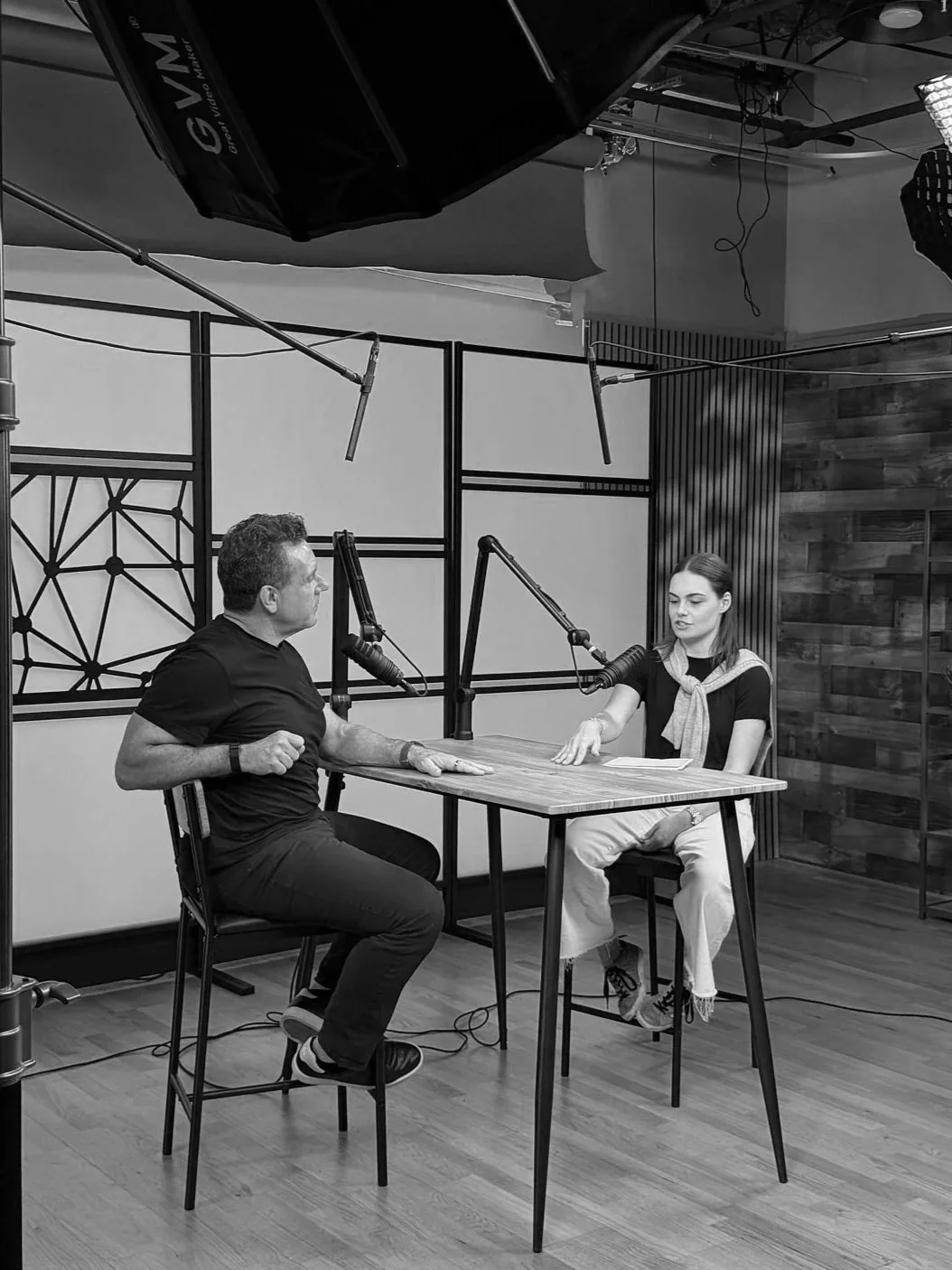
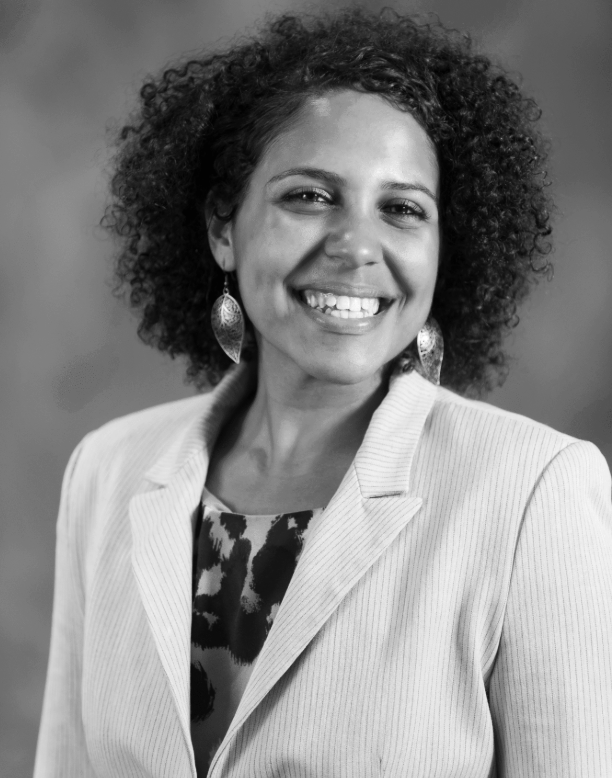
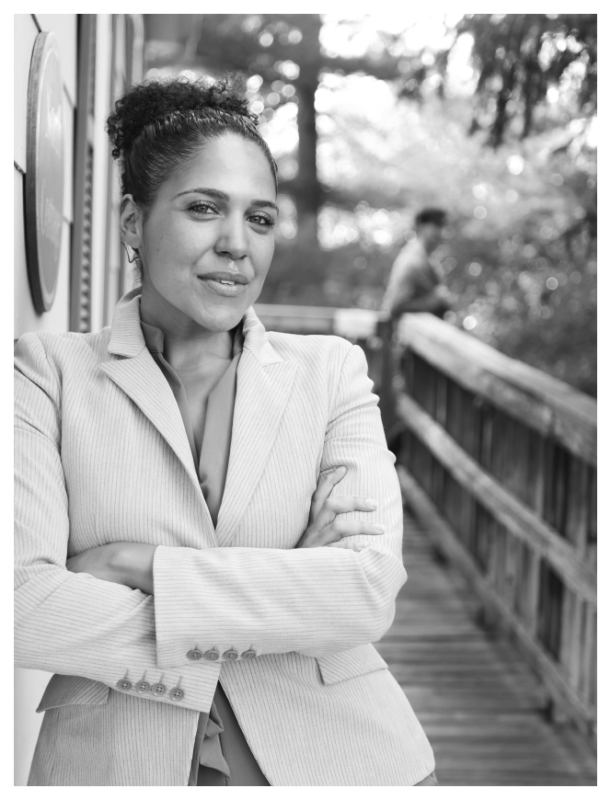













if you know what you need to do to improve your mental health, but struggle to implement these changes into your life, then this episode is for YOU. today’s guest is shireen rizvi— a licensed clinical psychologist who has conducted research and training in dialectical behavioral therapy (dbt) for over twenty-five years. in this episode, dr. rizvi and i discuss how to implement dbt skills into your daily life. whether you’ve never heard of dbt before, or you’re a dbt expert, this episode isn’t just about learning the skills— it’s about figuring out how to actually apply them in your life. because while awareness is a crucial step in mental health recovery, it’s not the only step that matters.